Indoor Orchid Blooms: Why Some Orchids Flower Again and Again
Some indoor orchids bloom repeatedly when light, watering, air movement, and rest periods line up. Learn what repeat blooms mean and how to support them.
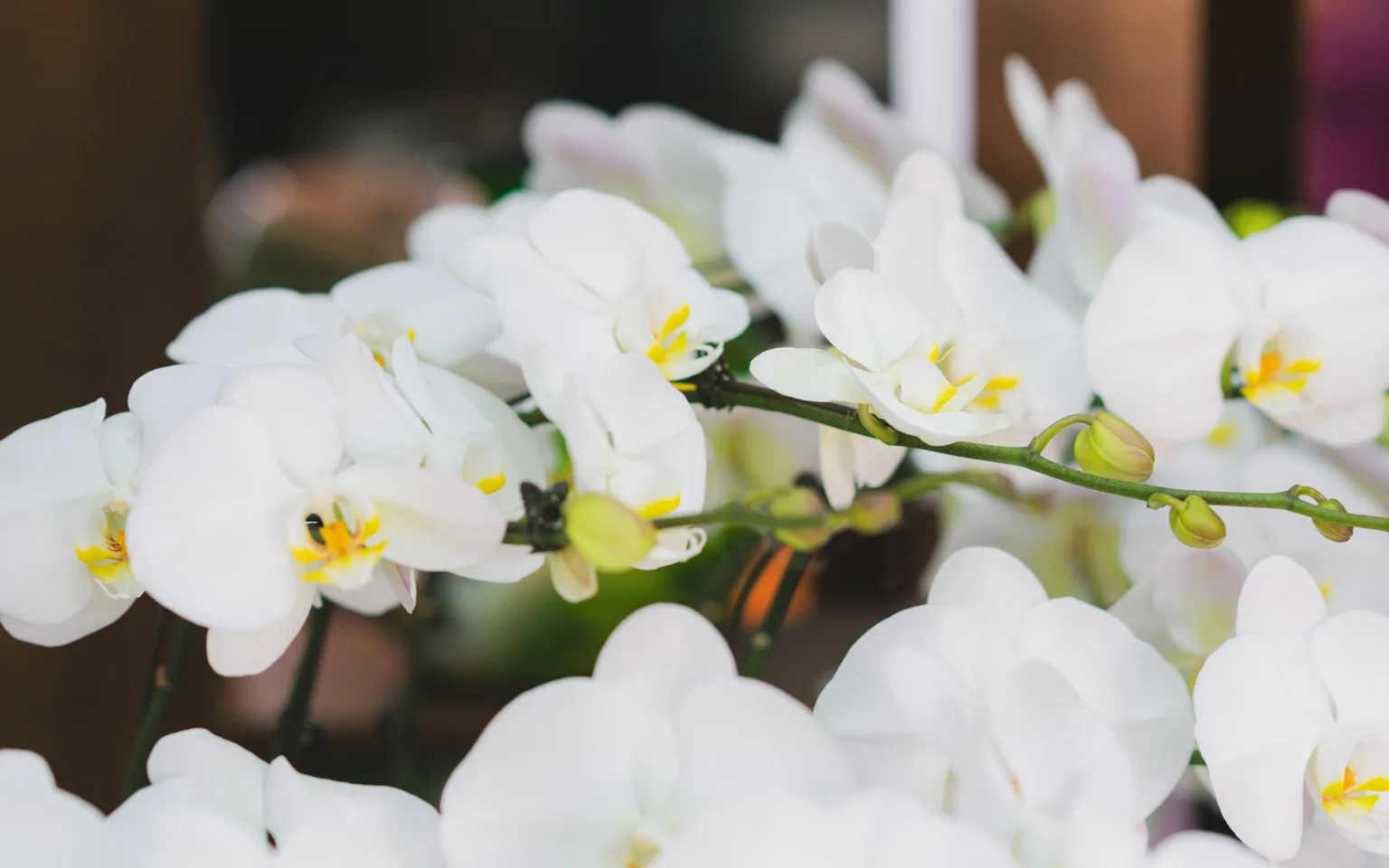
Few houseplant moments get attention like a plant suddenly flowering indoors. This week, public houseplant discussions included dramatic bloom posts such as 25 blooms in one night and a Psychopsis orchid in bloom. Those posts work because they show something growers wait months or years to see: a plant shifting from survival to performance.
For orchids, repeat blooming is not magic. It is usually a sign that light, roots, watering, temperature, humidity, and seasonal rhythm are working together. The exact trigger depends on the orchid, but the principles are consistent.
Here is why some indoor orchids bloom again and again, and how to support the plant without cutting the wrong spike or overwatering at the wrong moment.
Orchids Bloom When the Whole Plant Has Enough Energy
A flower spike is expensive. The plant has to build roots, leaves, stored energy, and then the bloom itself. If an orchid is underlit, root-damaged, or constantly overwatered, it may stay alive but refuse to flower.
The American Orchid Society summarizes orchid care as a balance of light, water, fertilizer, temperature, air movement, and humidity. That is the right way to think about blooms. No single trick replaces the full growing system.
A healthy orchid that receives adequate light for its type, dries appropriately between waterings, and grows new roots or leaves during the growing season is much more likely to bloom again.
Light Is Usually the Missing Piece
Most non-blooming orchids are not resting; they are underlit. A plant can produce green leaves in light levels that are still too weak for reliable flowering. Indoors, that often means a bright window is needed, not just a bright-looking room.
Good orchid light is usually bright indirect light. Direct midday sun can scorch leaves, but deep shade prevents blooming. Leaves can give clues: very dark green leaves often mean too little light, while yellowing or reddish scorched patches can mean too much direct sun.
If an orchid grows leaves but never blooms, move it gradually closer to brighter indirect light before changing fertilizer or watering.
Watering Affects Roots First, Blooms Later
Overwatering is one of the fastest ways to lose orchid blooms because it damages roots. Orchid roots need air as well as moisture. If the potting medium stays wet and compacted, roots rot and the plant loses the ability to support flowers.
The American Orchid Society Phalaenopsis culture sheet emphasizes breathable potting conditions and trimming soft, rotted roots during repotting. That advice matters beyond Phalaenopsis: orchid roots should be firm, functional, and able to dry appropriately for the type of orchid.
Water thoroughly, then let the medium approach the correct dryness level before watering again. Do not let an orchid sit in standing water inside a decorative pot.
Why Psychopsis Can Keep Blooming
Psychopsis is a useful example because it behaves differently from many common orchids. The American Orchid Society profile for Psychopsis notes that individual inflorescences can reflower for many years and should only be removed after they turn brown and wither.
That is important. If you cut a living Psychopsis spike because the first flower finished, you may remove future blooms. This is one reason orchid ID matters: different orchids handle spent spikes differently.
Psychopsis also prefers very bright light, good air movement, and careful watering during new growth. It is not cared for exactly like a grocery-store moth orchid.
Phalaenopsis Blooms Are Different
Phalaenopsis, or moth orchid, is the most common beginner orchid. It often reblooms from a spike if the spike remains green, but the plant also needs a recovery period after flowering. During that time, focus on roots and leaves, not forcing another bloom.
A healthy Phalaenopsis usually prefers bright indirect light, a breathable bark mix, and watering that lets the roots breathe. If it grows a new leaf and healthy roots after flowering, it is preparing for future blooms even if nothing dramatic is happening yet.
Do Not Fertilize Your Way Into Blooms
Fertilizer helps a growing orchid, but it does not replace light. If the plant is underlit, extra fertilizer will not reliably create flowers. It may simply build salts in the potting medium or push weak growth.
Feed lightly during active growth, using an orchid fertilizer according to label directions. Flush the potting medium periodically with plain water to reduce salt buildup. Avoid heavy feeding when roots are damaged or the plant is not actively growing.
Air Movement Matters More Than People Expect
Many orchids grow as epiphytes in nature, with roots exposed to moving air. Indoors, stagnant air around wet roots and leaves can lead to fungal or bacterial problems. This is especially relevant in humid rooms, crowded plant shelves, and enclosed display cabinets.
Air movement does not mean a cold draft. It means gentle circulation: a small fan nearby, space between plants, and pots that are not sealed into constantly wet containers.
Should You Cut the Flower Spike?
It depends on the orchid and the spike condition.
| Situation | What to Do |
|---|---|
| Spike is green and firm | Research the orchid before cutting; it may rebloom |
| Spike is brown and dry | Cut it back with clean pruners |
| Plant has weak roots | Prioritize root recovery over more flowers |
| Orchid is Psychopsis | Do not remove a living inflorescence |
| Orchid is Phalaenopsis | A green spike may rebloom, but plant health comes first |
When in doubt, identify the orchid first. Generic orchid advice can be wrong for plants that bloom repeatedly from old spikes.
Summary
Indoor orchid blooms happen when the plant has enough energy, enough light, healthy roots, correct watering, and a suitable temperature and humidity rhythm. A dramatic bloom is the visible result of months of quiet care.
For repeat bloomers such as Psychopsis, spike care is especially important. For common Phalaenopsis, bright indirect light and healthy roots are usually more important than any bloom-boosting trick.
If your orchid is not blooming, start with light and roots. Those two factors decide whether the plant has the resources to flower again.