Best Bedroom Plants for Small Rooms: 7 Low-Light Picks That Fit Tight Spaces
Short on space and light? These 7 compact, low-light bedroom plants thrive in small rooms, on nightstands, and near limited windows — pet-safe options included.
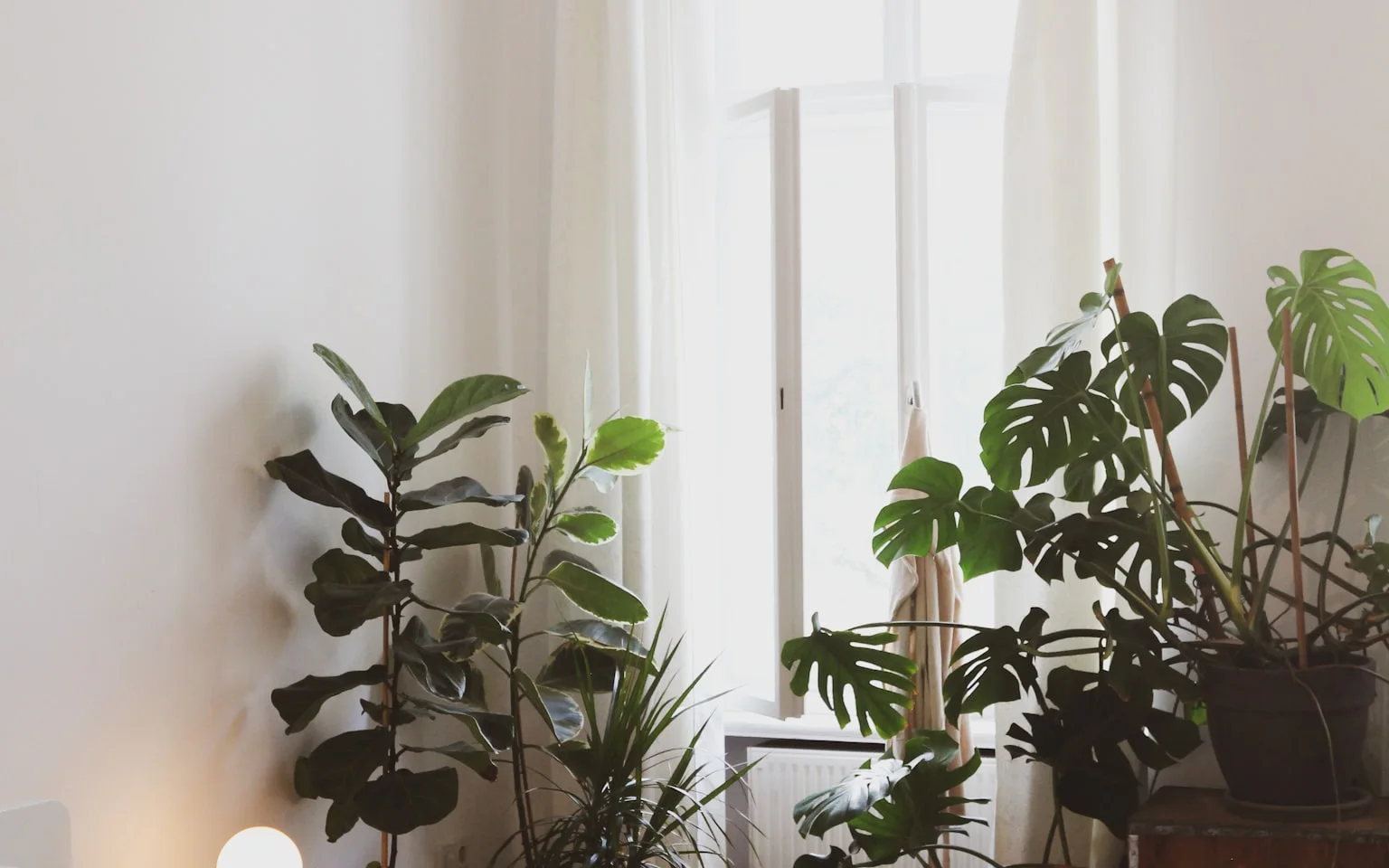
Not every bedroom has a wide south-facing window or room for a floor plant. Many bedrooms are small, north-facing, or have a single window partly blocked by blinds. That rules out a lot of popular houseplants — but not all of them.
This guide is for anyone whose bedroom is tight on space and short on light. The seven plants below are compact, low-light-tolerant, and chosen specifically for nightstands, dressers, and shelves in small sleeping rooms. If you want to browse a wider list of bedroom-suitable plants, the Bedroom Houseplants collection has you covered.
What Makes a Plant Work in a Small, Low-Light Bedroom?
Three things matter more than anything else.
Low-light tolerance. Small bedrooms often have one window, sometimes north-facing or filtered through curtains. A plant that needs bright indirect light will slowly decline. The plants below all handle low to medium indirect light.
Compact size. A small bedroom has limited surface area — a nightstand, a dresser top, maybe one corner. Sprawling or fast-growing plants eat into that space. Every plant on this list stays naturally compact or grows vertically rather than outward.
Low watering frequency. Plants in lower light use less water, and a small bedroom is not a place for a humidity-loving plant that needs misting. The best bedroom plants for tight spaces are also forgiving of a missed watering.
If you share the room with a pet, several of these are pet-safe too. Look for the pet-safe note under each plant.
7 Best Bedroom Plants for Small Rooms
| Plant | Light | Watering | Pet Safe | Best Spot |
|---|---|---|---|---|
| Snake Plant | Low to bright indirect | Every 2-4 weeks | No | Nightstand, dim corner |
| Peace Lily | Low to bright indirect | Every 5-7 days | No | Dresser, filtered window |
| Spider Plant | Medium to bright indirect | Every 7-10 days | Yes | Hanging planter, high shelf |
| Parlor Palm | Low to bright indirect | Every 7-14 days | Yes | Floor corner (stays compact) |
| Pothos | Low to bright indirect | Every 7-14 days | No | High shelf, trailing down |
| Prayer Plant | Medium to bright indirect | Every 5-7 days | Yes | Dresser, humid spot |
| Peperomia Obtusifolia | Medium to bright indirect | Every 10-14 days | Yes | Nightstand, small desk |
Snake Plant: The Low-Light Champion
If your bedroom is genuinely dim, start here. Snake Plant tolerates low light better than almost any other houseplant, and its upright growth means it takes up almost no surface area. A small pot on a nightstand is all it needs.
Water every two to four weeks — less in winter or in a darker room. Snake Plant is one of the few plants that actively rewards neglect, making it ideal for a bedroom where you do not want to think about plant care.
Note: Snake Plant is not pet-safe. If a cat or dog has access to the leaves, choose a pet-safe option below instead.
Peace Lily: Soft Presence in Low Light
Peace Lily brings dark green foliage and occasional white blooms to a bedroom without demanding bright sun. It handles low to medium indirect light well, making it a good fit for a dresser near a filtered window.
It prefers evenly moist soil but will droop visibly when it needs water, then perk back up within hours. This makes it easy to read — you water when it tells you to, not on a rigid schedule.
Keep it on a dresser rather than a nightstand, as it can spread wider than Snake Plant over time.
Note: Peace Lily is not pet-safe. Its leaves contain calcium oxalate crystals that can irritate if chewed.
Spider Plant: Pet-Safe and Forgiving
For pet owners, Spider Plant is the easiest safe choice. It is non-toxic to cats and dogs, adapts to a range of light conditions, and grows quickly enough to feel rewarding without taking over.
In a small bedroom, the best way to use a Spider Plant is in a hanging planter or on a high shelf, where its arching leaves and baby plantlets can hang down without using surface space. It prefers medium to bright indirect light but tolerates softer bedroom light well.
Water every seven to ten days. If the leaf tips turn brown, switch to filtered water — Spider Plant is sensitive to chlorine and fluoride in tap water.
Parlor Palm: The Only Floor Plant You Need
Most floor plants are too large for a small bedroom, but Parlor Palm stays compact. It grows slowly, rarely exceeding three to four feet indoors, and tolerates low to medium light. A single Parlor Palm in a simple pot can fill an empty corner without blocking walkways.
Water every seven to fourteen days and let the soil dry slightly between waterings. It is also pet-safe, which is rare for a plant with this much vertical presence.
Place it near — but not directly in — a window. Harsh afternoon sun will scorch the fronds.
Pothos: Vertical Space, Minimal Effort
Pothos is one of the most adaptable houseplants available. It tolerates low, medium, and bright indirect light, which means it can live in almost any small bedroom.
Its real value in a tight room is vertical. Place it on a high shelf or in a hanging planter and let the vines trail down. This uses wall space instead of surface space — ideal when a nightstand or dresser is already full.
Water every seven to fourteen days. Pothos is forgiving of missed waterings and will recover even after a longer dry spell. Trim the vines if they get longer than you want.
Note: Pothos is not pet-safe. Keep trailing leaves out of reach.
Prayer Plant: Pet-Safe with Personality
Prayer Plant earns its name from the way its leaves fold upward at night — a fitting detail for a bedroom. Its patterned foliage adds visual interest without being loud, and it stays compact enough for a dresser or plant stand.
It prefers medium to bright indirect light and higher humidity, so it does best in a bedroom that is not bone-dry or one with an attached bathroom. If the air is very dry, brown leaf tips are the first sign.
Prayer Plant is pet-safe, making it a good choice for bedrooms shared with cats or dogs. Water every five to seven days and do not let the soil dry out completely.
Peperomia Obtusifolia: The Nightstand Specialist
If you want a plant that truly fits on a small nightstand, Peperomia Obtusifolia is the answer. It stays under twelve inches tall, has thick glossy leaves, and its semi-succulent nature means it stores water — so you only need to water every ten to fourteen days.
It prefers medium to bright indirect light, so place it closer to the window rather than in a dark corner. A nightstand next to a window with filtered daylight is ideal.
It is pet-safe, compact, and almost impossible to overwater if the pot has drainage. For a small bedroom with limited light and limited space, it is hard to do better.
Quick Placement Guide for Small Bedrooms
| Surface | Best Plants | Why |
|---|---|---|
| Nightstand | Snake Plant, Peperomia Obtusifolia | Compact, upright, low water |
| Dresser | Peace Lily, Prayer Plant | Medium spread, visual interest |
| High shelf / hanging | Pothos, Spider Plant | Trailing, uses vertical space |
| Floor corner | Parlor Palm | Stays compact, fills empty corner |
One plant per surface is usually enough. Two small plants on a dresser can work; three is usually clutter.
Common Mistakes in Small, Low-Light Bedrooms
Buying a plant that needs more light than you have. A Fiddle Leaf Fig, most succulents, and Croton will slowly decline in a low-light bedroom. Match the plant to your actual window, not to what looks good online.
Overwatering because the soil looks dry on top. Plants in low light use less water. Always check an inch below the surface before watering — if it feels moist, wait.
Placing the plant too far from the window. Low-light tolerant does not mean no-light tolerant. If you cannot comfortably read a book in that spot during the day without a lamp, it is probably too dim for any plant.
Ignoring heating vents. Bedroom vents and radiators dry out plants fast. Keep plants away from direct airflow, especially in winter.
Pet-Safe Quick Reference
If you share your bedroom with a cat or dog, these are the pet-safe plants from this guide:
- Spider Plant
- Parlor Palm
- Prayer Plant
- Peperomia Obtusifolia
Among these, Spider Plant and Peperomia Obtusifolia are the most forgiving in terms of light and watering. If you want to browse more options, the Pet Safe Houseplants collection includes plants filtered for cat and dog safety.
Final Thoughts
The best bedroom plant for a small room is not the most photogenic one — it is the one that fits your window light, your surface space, and your watering habits. Start with one plant. A single Snake Plant on a nightstand or a Spider Plant on a high shelf will do more for the room than three struggling plants crammed onto the same surface.
If it thrives, add a second. If it does not, you have only lost one plant — not a shelf full.
Find the Right Plant for Your Space
Not sure which plant matches your bedroom light, watering routine, and pet situation? Try the House Plant Finder quiz. It asks a few simple questions and suggests plants that actually fit your room.
FAQs
What are the best bedroom plants for low light?
Snake Plant, Peace Lily, Parlor Palm, and Pothos all tolerate low to medium indirect light. Snake Plant is the most forgiving in genuinely dim rooms.
Which small bedroom plants are safe for cats and dogs?
Spider Plant, Parlor Palm, Prayer Plant, and Peperomia Obtusifolia are all confirmed pet-safe. Spider Plant and Peperomia are the easiest to care for among these.
Can a plant survive in a bedroom with no direct sun?
Yes, as long as the room receives some daylight during the day. Low-light-tolerant plants like Snake Plant and Pothos can thrive in rooms with only filtered or indirect window light. If the room is genuinely dark even at midday, a small grow light on a timer may be needed.
How many plants should I put in a small bedroom?
Start with one. A single well-placed plant on a nightstand, shelf, or corner is usually enough to soften a small room without making it feel crowded.