How to Set Up Grow Lights for Overwintering Houseplants
Set up grow lights for overwintering houseplants by matching light intensity, duration, distance, and plant groups without overcomplicating winter care.
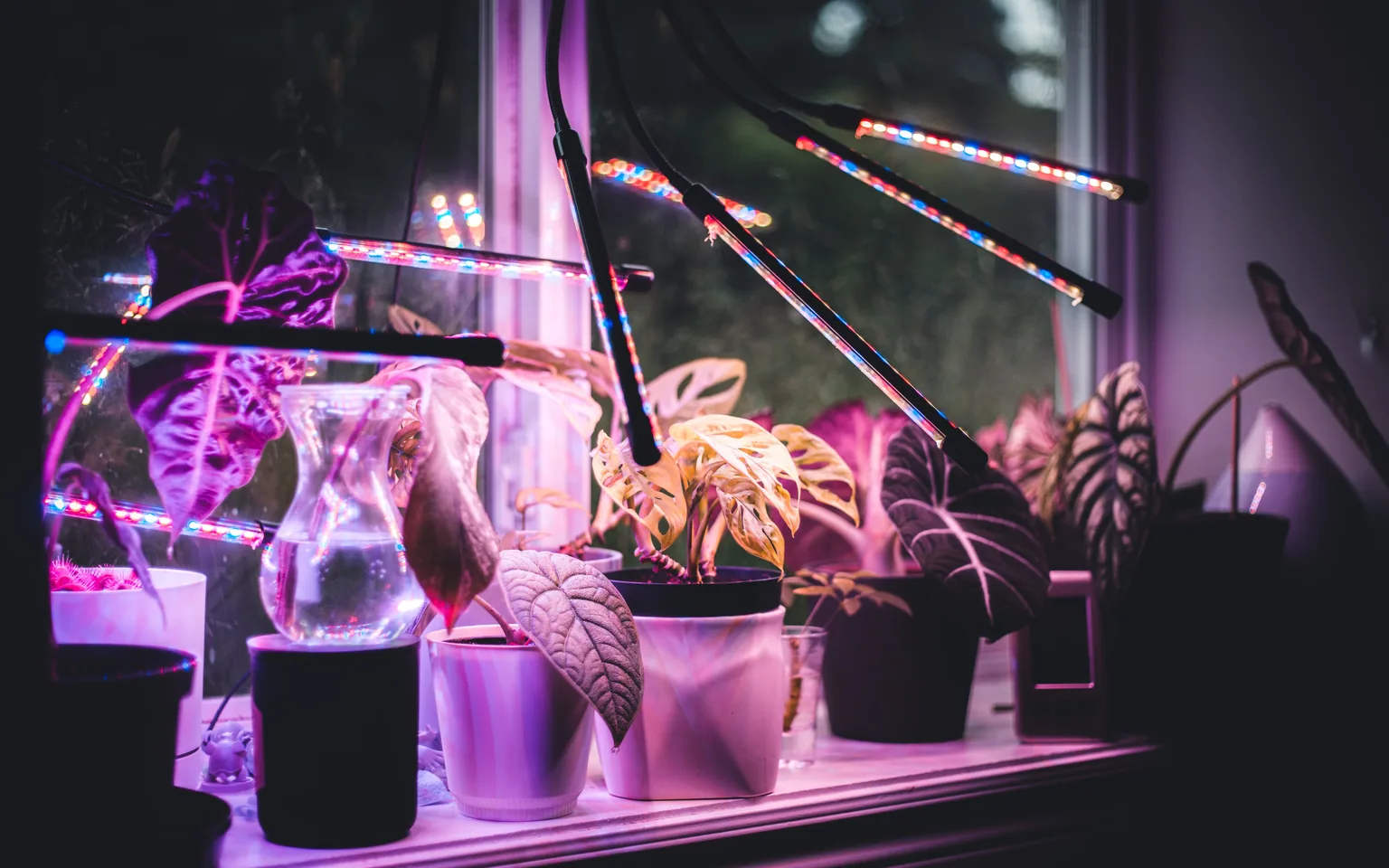
Grow lights for overwintering houseplants can prevent a bright summer collection from struggling when it moves indoors. The useful question is not whether every plant needs a lamp. It is which plants are receiving less usable light than they need, and how to supplement that light without creating heat, glare, or a complicated daily routine.
This problem becomes especially visible when plants have spent summer outdoors. A recent r/houseplants discussion about moving summer plants back inside reflects the seasonal challenge: outdoor light may have supported dense growth, but an indoor window cannot always provide the same intensity or duration.
Decide Which Plants Actually Need Supplemental Light
Start with the room, not the lamp. Observe each plant's position from morning to evening and note window direction, nearby buildings, trees, curtains, and the plant's distance from the glass. Winter sun is lower, daylight is shorter, and a position that worked in summer may become marginal.
The University of Maryland Extension identifies intensity, duration, and light quality as the three important parts of indoor lighting. Its indoor plant lighting guide also notes that intensity falls quickly as distance from the light source increases. That is why a bright-looking room can still deliver too little light at leaf level.
Prioritize supplemental light for:
- plants that grew in strong outdoor light during summer;
- active climbers or trailing plants that are becoming stretched;
- flowering plants that need brighter conditions to set buds;
- variegated plants losing contrast;
- plants positioned far from a usable window; and
- compact shelves where lower leaves are shaded by taller plants.
Plants that are stable in genuinely low-light conditions may not need a dedicated lamp. Use the Houseplant Sunlight Check to classify the position first, then compare options in the low-light houseplants collection if you need plants that better fit a dim room.
Choose a Practical Full-Spectrum LED
For a home collection, a full-spectrum LED fixture is usually the simplest starting point. It is efficient, widely available, and can fit shelves, cabinets, or freestanding floor setups. You do not need a commercial greenhouse fixture for ordinary foliage plants, but the lamp must provide useful light across the plant canopy.
Choose the fixture based on coverage, adjustability, and how it will be mounted. A powerful narrow beam may light one plant well while leaving neighboring plants in shadow. A bar fixture often works better for a long shelf; a bulb in a reflector can work for one focused group; and a multi-head lamp can cover plants at different angles if each head remains securely positioned.
Do not choose by advertised wattage alone. Manufacturer claims are difficult to compare, and usable intensity changes with distance. If the manufacturer provides a coverage chart or PPFD map, use it as a starting point. Otherwise, begin conservatively and judge the response of the plants over several weeks.
Group Plants by Height and Light Need
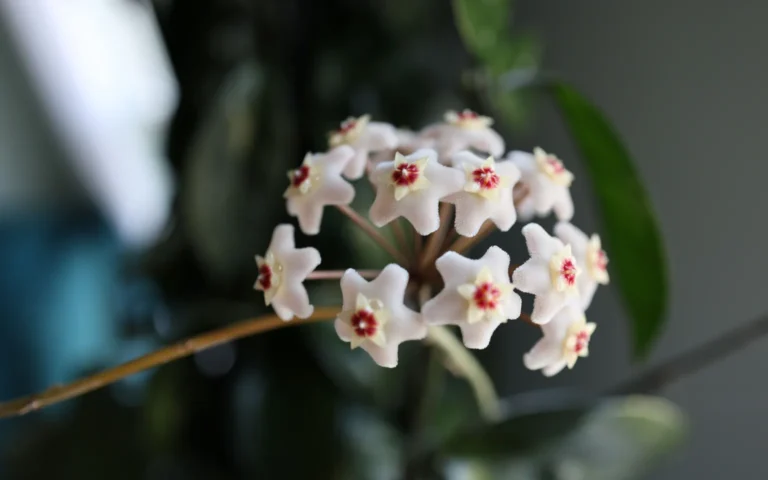
One lamp cannot serve a tall Monstera and a small Hoya equally when both sit on the same flat surface. Raise shorter pots on stable stands so their leaves are closer to the shared canopy height. Put higher-light plants near the center of the fixture and more tolerant plants near the edges.
Group by need before grouping by appearance. A Heartleaf Philodendron can tolerate moderate conditions, while a Hoya usually benefits from brighter light, especially when flowering is the goal. A large Monstera may require its own overhead source so the newest leaves do not shade the rest of the group.
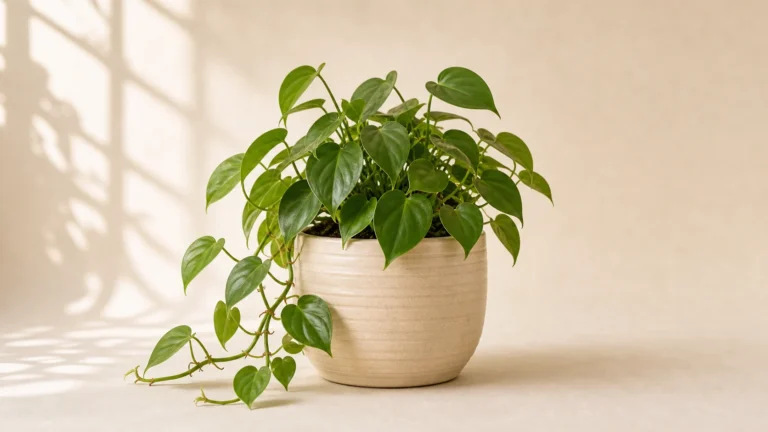
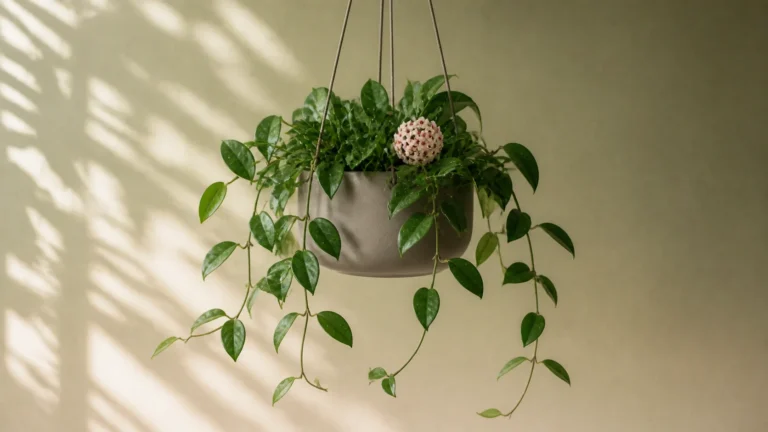
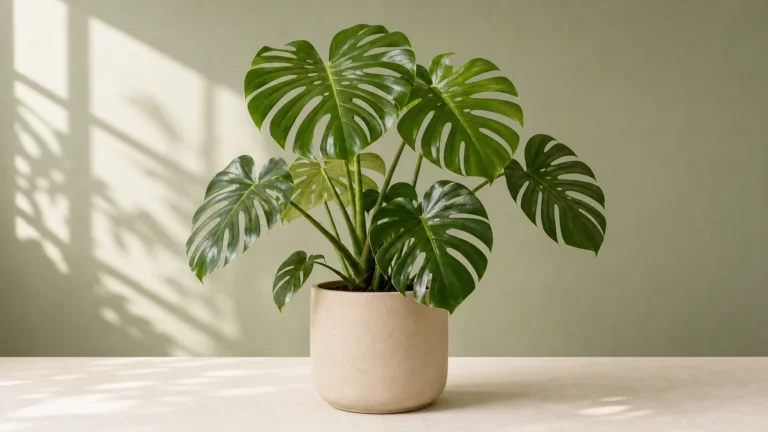
The fast-growing houseplants collection is useful when planning a shelf because it highlights plants that may quickly change the canopy height and outgrow a fixed setup.
Set Distance by Plant Response, Not One Universal Number
There is no single correct lamp-to-leaf distance. Fixture strength, beam angle, operating temperature, and plant tolerance all change the answer. Follow the manufacturer's minimum distance first. Then monitor the leaves closest to the lamp.
Signs that the light may be too weak include:
- longer gaps between new leaves;
- stems leaning toward the fixture;
- smaller or paler new growth;
- reduced variegation; and
- a plant that remains wet much longer because growth has slowed.
Signs that the light may be too intense or too close include bleached patches, crisp areas on upper leaves, warm leaf surfaces, and color changes concentrated directly under the fixture. Move the lamp or plant in small increments, then wait. Daily adjustments make it difficult to identify what worked.
Use a phone light-meter app only as a comparison tool unless it has been calibrated. It can help you see that one shelf is much darker than another, but it is not a substitute for a horticultural light meter or a reliable fixture map.
Use a Timer and Preserve a Dark Period
Consistency matters more than manually switching lamps on at different times. Put the lights on a simple outlet timer. Aim for a regular day that works with the natural light already reaching the plants, rather than running the lamp around the clock.
The University of Maryland Extension advises that most plants should receive no more than 16 total hours of illumination and need a period of darkness. The University of Minnesota Extension's winter houseplant tips suggest supplemental full-spectrum light can help plants reach roughly 12 to 14 hours of light per day. Treat that range as a starting point, then account for the daylight each group already receives.
A useful schedule is to extend the morning or evening, not duplicate bright daylight unnecessarily. For example, plants near a winter window might receive the lamp for several hours before sunrise and after sunset. Plants in a windowless room may need a longer artificial-light period.
Change Watering After the Move Indoors
Adding a grow light does not preserve a summer watering schedule. Indoor temperature, airflow, humidity, pot size, and root activity all affect drying. Some plants under strong lights may remain active; others will still use water more slowly than they did outdoors.
Check the potting mix and pot weight before watering. Record how long each group takes to dry during the first month indoors. The Houseplant Watering Calculator can give you a seasonal starting point, but water only after confirming that the plant has reached its appropriate dry-down stage.
Do not compensate for weak light by keeping soil wetter or applying more fertilizer. Low light reduces the plant's capacity to use water and nutrients. If growth becomes slower, reduce feeding and reassess the lamp placement before changing several care variables at once.
Inspect Plants Before Building the Winter Group
Plants returning from patios or balconies should be inspected before they are packed together under lights. Check the undersides of leaves, stem joints, pot rims, and drainage holes. Isolate suspicious plants rather than placing them in a warm, crowded shelf where pests can spread quickly.
The University of Minnesota Extension recommends inspecting returning plants for pests, cleaning pots, and reintroducing plants to indoor conditions gradually. Its guide to bringing houseplants inside also notes that sudden environmental changes can cause yellowing, wilt, or leaf drop.
A Simple Setup Workflow
Use this order to avoid buying equipment before understanding the problem:
- Map the available natural light.
- Sort plants by light need and mature height.
- Select a fixture that covers the real shelf or floor area.
- Mount it securely and follow the manufacturer's distance guidance.
- Put it on a timer with a consistent dark period.
- Inspect returning plants before grouping them.
- Track leaf response and soil drying for four weeks.
- Change only one variable at a time.
Grow lights for overwintering houseplants work best as part of a seasonal system, not as an emergency treatment for every yellow leaf. Match the lamp to a defined group, keep the setup easy to maintain, and let new growth tell you whether the combination of intensity, duration, and distance is working.