Anthurium New Leaf Care: Light, Humidity, and Stable Growth
Anthurium new leaf care depends on stable light, humidity, watering, and root aeration. Learn why new leaves curl, deform, scorch, or stay small indoors.
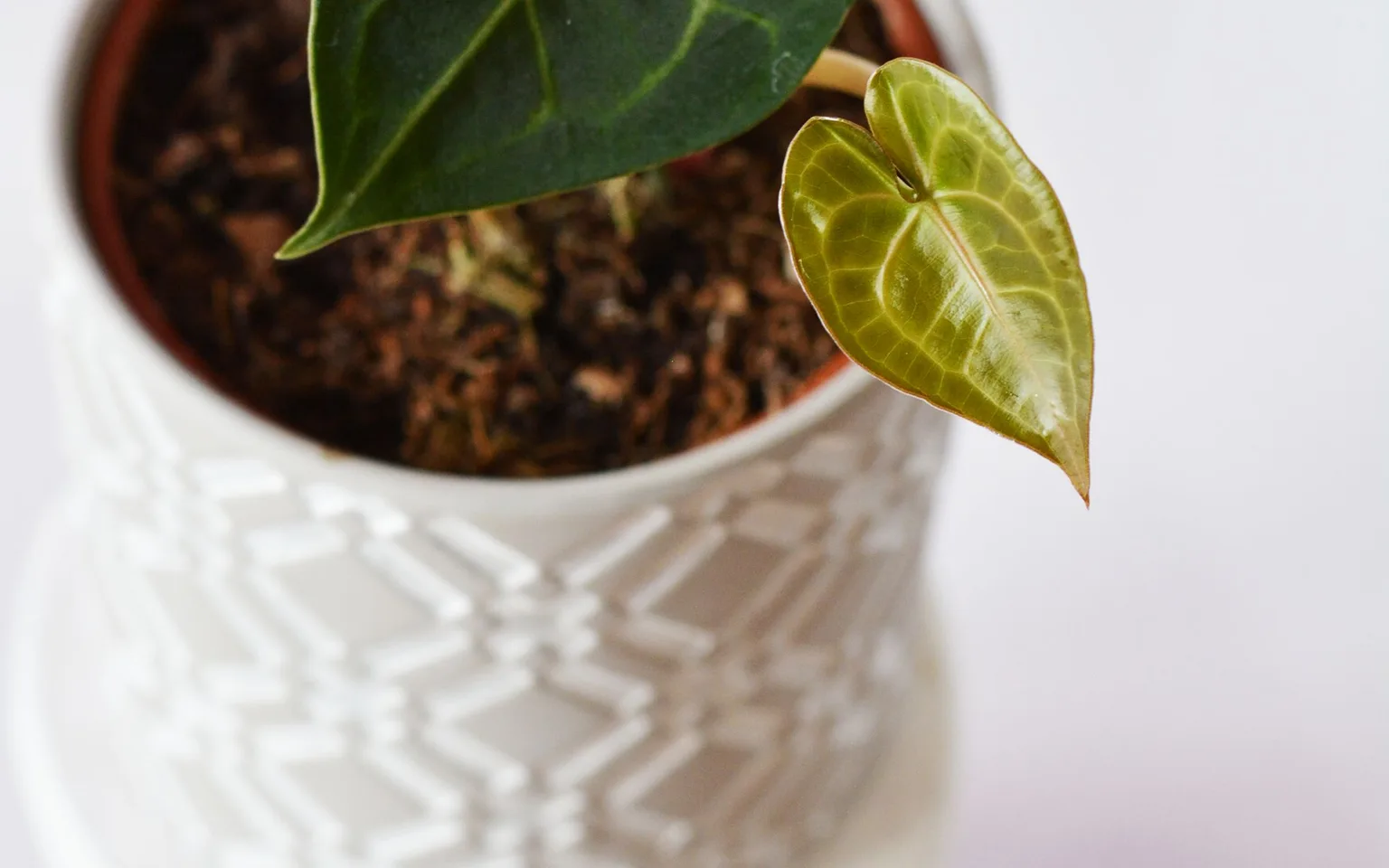
Anthurium new leaf care depends on stability. A new leaf is soft, thin, and still expanding. If the plant gets a sudden blast of dry air, strong sun, uneven watering, or root stress during that stage, the new leaf may curl, tear, scorch, or harden smaller than expected.
Recent public posts in `r/Anthurium`, including Anthurium carlablackiae, a new leaf on A. veitchii, accidental pollination, and collector posts such as KOS WAROCQ show how much attention Anthurium growers give to new leaves. In collector plants, a single new leaf can be the main event.
For everyday indoor growing, the same principle applies: new leaves reveal whether the plant's conditions are steady enough.
Anthurium New Leaf Care Is About Stability
Many Anthurium problems happen when conditions swing back and forth. The plant may tolerate one imperfect factor for a while, but new leaves show stress quickly because they are still forming.
Watch for changes in:
- Light intensity
- Watering frequency
- Potting mix moisture
- Humidity
- Airflow
- Temperature
- Root health
- Pest pressure
If one new leaf is slightly imperfect, do not assume the whole plant is failing. If several new leaves are smaller, curled, torn, or scorched, look for a pattern in the environment.
Give Anthurium Bright Indirect Light
Anthuriums are often sold as indoor plants, but that does not mean they grow well in a dark corner. Most Anthuriums need bright indirect light to produce strong, well-shaped leaves indoors. Too little light can slow growth and lead to smaller leaves. Too much direct sun can scorch thin new growth.
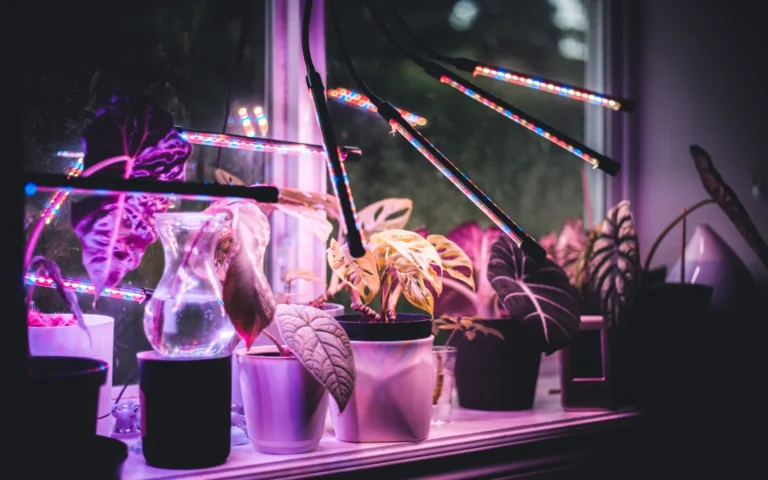
For Anthurium new leaf care, place the plant near a bright window without long exposure to hot afternoon sun. An east-facing window, filtered south or west light, or a quality grow light can work. If a new leaf emerges pale and then burns quickly, the light may be too intense. If new leaves stay small and the plant stretches, it may be too dim.
The plant profile for flamingo flower maintained by North Carolina State's Extension plant database is a useful reference for the genus in indoor settings, including its preference for bright indirect light and its sensitivity to overly wet conditions.
Keep Humidity Moderate and Steady
Velvet-leaf Anthuriums and many collector types often look better with moderate to higher humidity. That does not mean the leaves should stay wet. Misting can make leaves look refreshed for a few minutes, but it does not provide stable humidity for long.
A practical guide on indoor humidity explains the broader houseplant problem: indoor air can become dry, especially with heating or cooling systems. For Anthuriums, steady humidity is usually more useful than occasional spraying.
Better options include:
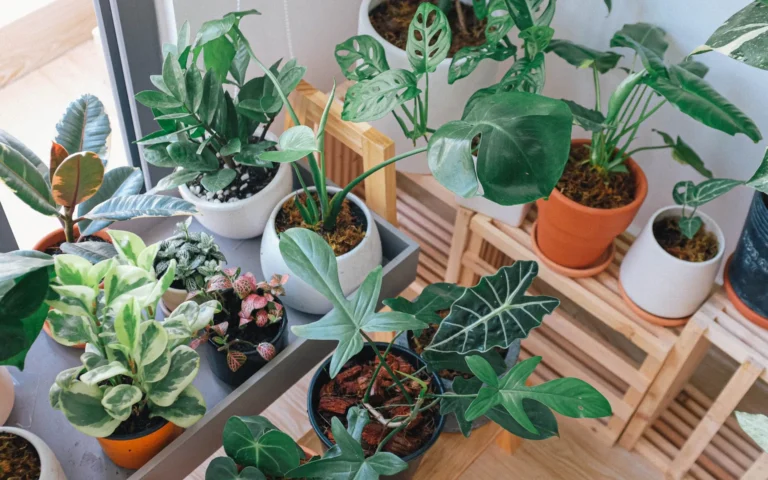
- Grouping compatible plants together
- Using a room humidifier in dry seasons
- Keeping plants away from heating and cooling vents
- Maintaining gentle airflow
- Avoiding repeated wetting of new leaves
If your room is very dry, the newest leaf may harden with crispy edges or slight distortion. If the air is humid but stagnant, fungal spots and pest issues can become easier to miss.
Water So the Roots Breathe
Anthuriums need moisture, but the roots still need air. Many indoor Anthurium problems come from a dense potting mix that stays wet too long. New leaves may look weak not because the plant needs more water, but because the roots are struggling in soggy conditions.
Use a chunky, well-draining mix that holds some moisture while leaving air spaces around the roots. Many growers use aroid-style mixes with ingredients such as bark, perlite, coarse coco chips, or similar structural materials. The exact recipe matters less than the result: water should move through the pot, and the mix should not collapse into a heavy wet mass.
Water when the upper part of the mix has started to dry, then let extra water drain away. Do not leave the pot sitting in a saucer or decorative cachepot full of water. If the plant smells sour, has yellowing leaves, or stays wet for many days, check for root stress before increasing watering.
Why Anthurium New Leaves Curl or Deform
One curled or uneven new leaf can happen from mechanical damage. A leaf may rub against a support, stick to another leaf, or get brushed while it is still soft. That kind of flaw may not repeat.
Repeated deformation is different. If several new leaves are distorted, check:
| Symptom | Possible Cause | What to Do |
|---|---|---|
| Crispy new leaf edges | Dry air, dry roots, or strong light | Stabilize watering and move out of harsh sun |
| Small new leaves | Low light, weak roots, or low nutrients | Improve light and inspect roots |
| Torn unfurling leaves | Handling or low humidity swings | Stop touching new leaves and stabilize air |
| Yellowing plus soft stems | Wet mix or root stress | Check drainage and roots |
| Distortion plus residue | Pests | Inspect new growth and leaf undersides |
Pests are especially important on new growth because tender tissue is easier to damage. Check the undersides of leaves, petioles, and the tight folds around emerging leaves. If there is sticky residue, speckling, or cottony material, isolate the plant before treating.
Do Not Handle New Leaves Too Much
It is easy to fuss over a new Anthurium leaf because it changes every day. Resist the urge to keep touching it, wiping it, or adjusting it. New leaves are vulnerable before they harden.
Avoid:
- Pulling a leaf open
- Wiping a soft leaf repeatedly
- Moving the plant every day to find better light
- Spraying the new leaf until it stays wet
- Repotting during an active new-leaf push unless the roots truly need help
If you need to inspect the plant, support the leaf gently and avoid bending the petiole. Once the leaf hardens, it can tolerate normal cleaning more easily.
Pollination Is an Advanced Topic, Not the First Priority
Collector Anthurium communities often discuss inflorescences, pollen, seed, and hybrids. The recent accidental pollination discussion fits that pattern. It is interesting, but it should not distract from basic Anthurium new leaf care.
If your goal is attractive foliage, prioritize stable light, humidity, watering, and root aeration first. Pollination matters only once the plant is mature enough to flower and you want to work with seed or breeding. For most indoor growers, healthy leaves are the practical goal.
Pet Safety and Placement
Anthuriums are not pet-safe plants. The plant profile for Anthurium notes toxicity concerns from calcium oxalate crystals. If pets chew leaves, place the plant out of reach or choose a safer plant for that area.
This matters with new leaves because fresh growth can draw attention. A newly emerging leaf may sit lower, softer, or more accessible than older leaves.
Summary
Anthurium new leaf care is about keeping the plant's conditions predictable while the leaf expands. Give the plant bright indirect light, moderate and stable humidity, a breathable potting mix, careful watering, and enough airflow.
Do not judge the plant by one imperfect leaf. Look for patterns. If new leaves repeatedly curl, tear, scorch, or stay small, the cause is usually in the environment or roots. Fix the growing conditions first, and the next new leaf is the better test.