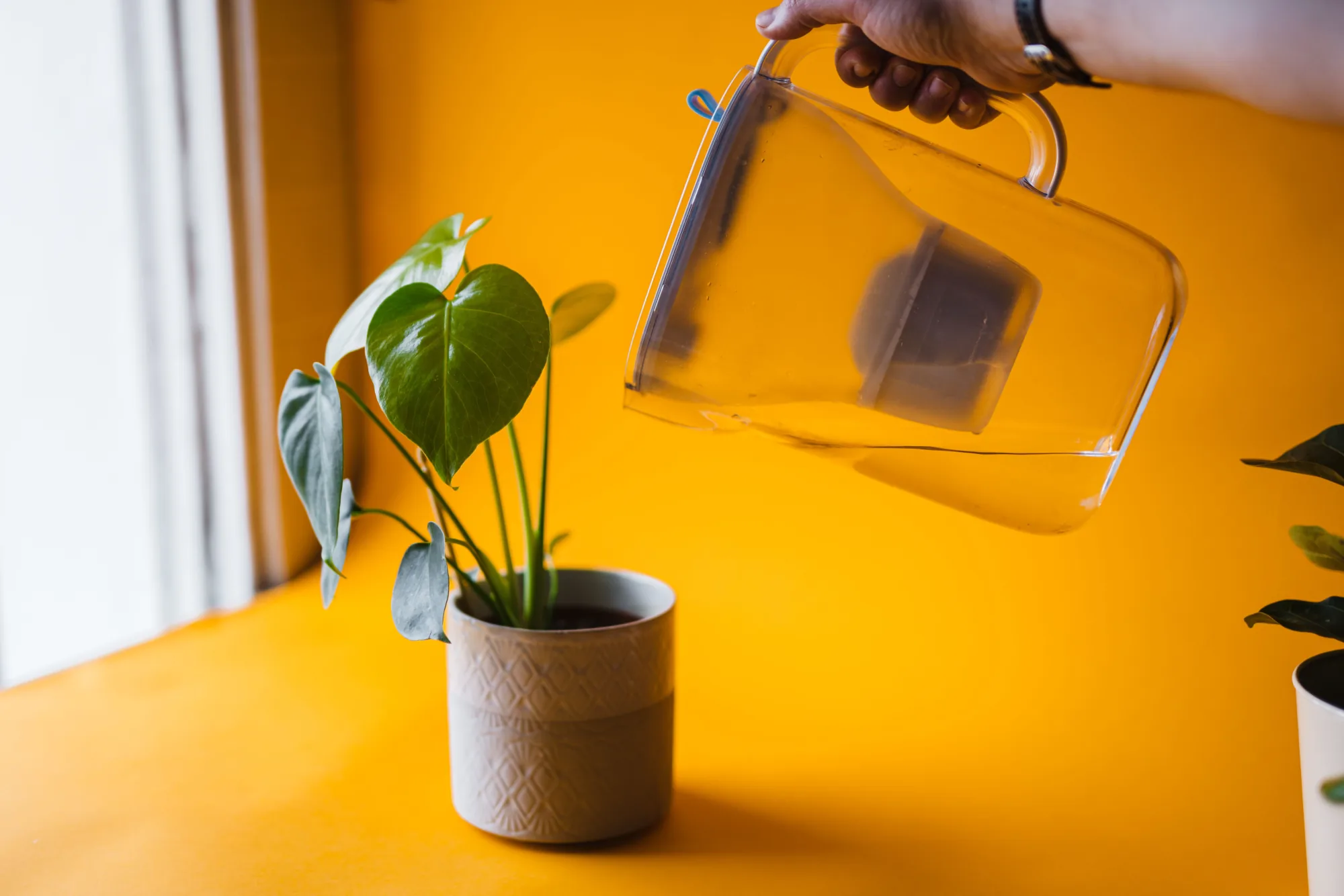
Houseplants beside a watering can and drainage saucer for indoor watering care

How to Water Houseplants Without Overwatering

Watering sounds like the easiest part of houseplant care, but it is also where many beginners run into problems. Most indoor plants do not die because they are ignored for one day. They are more likely to struggle because they are watered too often, left sitting in wet soil, or placed in pots without proper drainage.

The good news is that watering houseplants does not have to be complicated. Once you understand how soil, light, plant type, and pot size work together, you can build a simple routine that keeps your plants healthier with less guesswork.

This guide will help you learn how to water houseplants without overwatering, how to check when a plant actually needs water, and what signs to watch for if something goes wrong.

Why Overwatering Is So Common

Overwatering is common because many people think plants need care every day. When a plant looks sad, the first reaction is often to add more water. But for many houseplants, especially easy-care plants like Snake Plant, ZZ Plant, and Pothos, too much water can cause more damage than too little.

Indoor plants grow in containers, not open ground. That means excess water cannot always drain away quickly. If the soil stays wet for too long, the roots may not get enough oxygen. Over time, this can lead to root rot, yellow leaves, soft stems, and weak growth.

This is why a good watering routine should be based on the plant’s actual needs, not just a fixed calendar.

How Often Should You Water Houseplants?

There is no single watering schedule that works for every houseplant. Some plants may need water once a week, while others can go much longer. The right timing depends on the plant type, light level, temperature, humidity, pot size, and soil mix.

A plant in bright indirect light usually uses water faster than the same plant in a low-light room. A small pot dries out faster than a large pot. A plant in summer may need more water than it does in winter.

Instead of asking, “How often should I water this plant?” a better question is:

“Is the soil dry enough for this plant to need water?”

That small shift can help you avoid one of the most common houseplant care mistakes.

Check the Soil Before Watering

The simplest way to know whether your houseplant needs water is to check the soil. Do not rely only on how the top of the soil looks, because the surface can dry out while the lower soil is still wet.

For many common houseplants, you can use the finger test. Place your finger about one to two inches into the soil. If it still feels moist, wait a few more days. If it feels dry, the plant may be ready for water.

For larger plants or deeper pots, a wooden chopstick or moisture meter can help you check below the surface. Insert it into the soil, then pull it out. If damp soil sticks to it, the plant probably does not need water yet.

This method is especially useful for low-maintenance houseplants that prefer to dry out between waterings.

Know Your Plant’s Watering Style

Different houseplants have different watering preferences. Understanding the general watering style of your plant is more useful than memorizing a strict schedule.

Some plants prefer to dry out between waterings. This group often includes Snake Plant, ZZ Plant, Rubber Plant, and many succulents. These plants are more likely to suffer from too much water than from being slightly dry.

Some plants prefer evenly moist soil, but not soggy soil. This group may include Peace Lily, Calathea, and some ferns. They usually need more consistent watering, but they still should not sit in waterlogged soil.

Some plants are flexible and beginner-friendly. Pothos, Philodendron, and Spider Plant can usually handle a wider range of conditions, making them good choices if you are still learning your plant care rhythm.

If you are choosing your first indoor plants, it may help to start with beginner-friendly houseplants before moving on to more sensitive varieties.

Use Pots With Drainage Holes

Drainage is one of the most important parts of watering. A pot with drainage holes allows extra water to escape instead of collecting around the roots.

If your plant is in a decorative pot without drainage, it is easier to overwater by accident. The top of the soil may look normal, while the bottom of the pot stays wet for too long.

A practical setup is to keep the plant in a nursery pot with drainage holes, then place that inside a decorative cover pot. When watering, take the nursery pot out, water it thoroughly, let the excess drain away, and then return it to the cover pot.

This small habit can make a big difference, especially for plants that dislike wet roots.

Water Deeply, Not Constantly

Many beginners give plants small amounts of water frequently. This can keep the top layer of soil damp while the lower roots remain unevenly watered.

In most cases, it is better to water deeply and less often. Pour water slowly across the soil until water begins to drain from the bottom of the pot. This helps the full root area receive moisture.

After watering, let the plant drain fully. Do not leave the pot sitting in a saucer full of water unless the specific plant requires that type of care.

Deep watering encourages stronger root development and reduces the habit of constantly “topping up” the soil.

Pay Attention to Light Conditions

Light and watering are closely connected. Plants in brighter light usually grow faster and use more water. Plants in lower light grow more slowly and need less water.

This is why low-light houseplants are often overwatered. The plant may be able to tolerate lower light, but it will not dry out as quickly as it would in a brighter spot. If you water it on the same schedule as a plant near a bright window, the soil may stay wet for too long.

If your plant is placed far from a window, check the soil carefully before watering. You may need to water much less often than expected.

For darker rooms, choose low-light tolerant plants and adjust watering based on how slowly the soil dries.

Watch for Signs of Overwatering

Overwatered houseplants often show warning signs. The tricky part is that some symptoms can look similar to underwatering, so it is important to check the soil before reacting.

Common signs of overwatering include yellowing leaves, soft or mushy stems, soil that stays wet for many days, a sour or unpleasant smell from the pot, fungus gnats around the soil, and leaves dropping even when the soil is moist.

If you see these signs, stop watering immediately and check the roots if the plant continues to decline. Healthy roots are usually firm and light-colored. Rotten roots may look brown, black, soft, or mushy.

Catching the problem early gives your plant a much better chance of recovery.

Watch for Signs of Underwatering

Underwatering can also happen, especially with smaller pots, plants near sunny windows, or plants in dry indoor air.

Signs of underwatering may include dry soil pulling away from the edge of the pot, crispy leaf tips, drooping leaves, curled leaves, or very lightweight pots.

If the soil is extremely dry, water may run straight through the pot without properly soaking in. In that case, water slowly in stages, or place the pot in a shallow tray of water for a short time so the soil can rehydrate from the bottom.

Once the soil is evenly moist, let the plant drain completely.

Adjust Your Watering by Season

Houseplants usually need different care in different seasons. During warmer months, many plants grow more actively and may need water more often. During cooler months, growth slows down, indoor light levels may drop, and soil may stay moist for longer.

In winter, it is especially important not to water automatically. A plant that needed weekly watering in summer may only need water every two or three weeks in winter, depending on your home environment.

This seasonal adjustment is one of the easiest ways to prevent overwatering.

Use the Weight Test

The weight test is a simple method that becomes easier with practice. Pick up the pot after watering and notice how heavy it feels. Then pick it up again several days later when the soil has dried.

A freshly watered pot feels heavier. A dry pot feels much lighter. Over time, this gives you a quick physical sense of whether your plant needs water.

This works especially well for small and medium-sized houseplants that are easy to lift, such as Pothos, Spider Plant, Peace Lily, and smaller Philodendron varieties.

Do Not Mist as a Replacement for Watering

Misting leaves does not replace proper watering. It may briefly increase moisture on the leaf surface, but it does not provide the roots with enough water.

Some humidity-loving plants may appreciate higher humidity, but they still need proper soil watering. If your home is very dry, a humidifier, pebble tray, or grouping plants together may be more effective than occasional misting.

For most common houseplants, your main focus should be soil moisture, drainage, and light conditions.

A Simple Watering Routine for Beginners

If you are new to houseplants, keep your routine simple. Once or twice a week, walk around and check your plants instead of watering everything automatically.

Touch the soil. Look at the leaves. Check whether the pot feels light or heavy. Notice which plants dry out faster and which ones stay moist longer.

You can also group plants by watering needs. For example, place drought-tolerant plants like Snake Plant and ZZ Plant in one mental category, and moisture-loving plants like Peace Lily or Calathea in another.

This makes care easier and helps you avoid treating every plant the same way.

Best Houseplants for People Who Forget to Water

If you often forget to water, choose plants that are more forgiving. Snake Plant, ZZ Plant, Pothos, and Rubber Plant are strong options for many homes. These plants usually prefer drying out slightly between waterings and can handle a more relaxed care routine.

If you want a plant for a bedroom, office, or shaded corner, look for low-maintenance plants that match your available light. The easier the plant fits your real routine, the more likely it is to thrive.

Final Thoughts

Learning how to water houseplants is less about following a perfect schedule and more about observing your plants. Check the soil before watering, use pots with drainage, adjust based on light and season, and learn the watering style of each plant.

If you are just getting started, choose forgiving plants and keep your routine simple. Over time, you will begin to understand the rhythm of your home: which rooms dry out quickly, which plants need more attention, and which ones prefer to be left alone.

Healthy plant care does not have to feel complicated. The best watering routine is the one that works for your space, your plants, and your lifestyle.

FAQs About Watering Houseplants

How often should I water my houseplants?

It depends on the plant, pot size, light, season, and indoor conditions. Instead of following one fixed schedule, check the soil first and water when the plant actually needs it.

Is it better to water houseplants from the top or bottom?

Both methods can work. Top watering is simple and helps flush the soil, while bottom watering can help dry soil absorb moisture more evenly. Whichever method you use, make sure excess water drains away.

What is the biggest mistake when watering houseplants?

The biggest mistake is watering on a fixed schedule without checking the soil. This often leads to overwatering, especially in low-light rooms or during winter.

How do I know if my plant is overwatered?

Signs of overwatering can include yellow leaves, wet soil that does not dry, mushy stems, leaf drop, fungus gnats, and a bad smell from the soil.

Can a plant recover from overwatering?

Yes, if the problem is caught early. Stop watering, improve drainage, remove any rotten roots if needed, and let the soil dry before watering again.

Should I water my plants less in winter?

Usually, yes. Many houseplants grow more slowly in winter, so they use less water. Always check the soil before watering during cooler months.
How to Water Houseplants Without Overwatering

Watering sounds like the easiest part of houseplant care, but it is also where many beginners run into problems. Most indoor plants do not die because they are ignored for one day. They are more likely to struggle because they are watered too often, left sitting in wet soil, or placed in pots without proper drainage.

The good news is that watering houseplants does not have to be complicated. Once you understand how soil, light, plant type, and pot size work together, you can build a simple routine that keeps your plants healthier with less guesswork.

This guide will help you learn how to water houseplants without overwatering, how to check when a plant actually needs water, and what signs to watch for if something goes wrong.

Why Overwatering Is So Common

Overwatering is common because many people think plants need care every day. When a plant looks sad, the first reaction is often to add more water. But for many houseplants, especially easy-care plants like Snake Plant, ZZ Plant, and Pothos, too much water can cause more damage than too little.

Indoor plants grow in containers, not open ground. That means excess water cannot always drain away quickly. If the soil stays wet for too long, the roots may not get enough oxygen. Over time, this can lead to root rot, yellow leaves, soft stems, and weak growth.

This is why a good watering routine should be based on the plant’s actual needs, not just a fixed calendar.

How Often Should You Water Houseplants?

There is no single watering schedule that works for every houseplant. Some plants may need water once a week, while others can go much longer. The right timing depends on the plant type, light level, temperature, humidity, pot size, and soil mix.

A plant in bright indirect light usually uses water faster than the same plant in a low-light room. A small pot dries out faster than a large pot. A plant in summer may need more water than it does in winter.

Instead of asking, “How often should I water this plant?” a better question is:

“Is the soil dry enough for this plant to need water?”

That small shift can help you avoid one of the most common houseplant care mistakes.

Check the Soil Before Watering

The simplest way to know whether your houseplant needs water is to check the soil. Do not rely only on how the top of the soil looks, because the surface can dry out while the lower soil is still wet.

For many common houseplants, you can use the finger test. Place your finger about one to two inches into the soil. If it still feels moist, wait a few more days. If it feels dry, the plant may be ready for water.

For larger plants or deeper pots, a wooden chopstick or moisture meter can help you check below the surface. Insert it into the soil, then pull it out. If damp soil sticks to it, the plant probably does not need water yet.

This method is especially useful for low-maintenance houseplants that prefer to dry out between waterings.

Know Your Plant’s Watering Style

Different houseplants have different watering preferences. Understanding the general watering style of your plant is more useful than memorizing a strict schedule.

Some plants prefer to dry out between waterings. This group often includes Snake Plant, ZZ Plant, Rubber Plant, and many succulents. These plants are more likely to suffer from too much water than from being slightly dry.

Some plants prefer evenly moist soil, but not soggy soil. This group may include Peace Lily, Calathea, and some ferns. They usually need more consistent watering, but they still should not sit in waterlogged soil.

Some plants are flexible and beginner-friendly. Pothos, Philodendron, and Spider Plant can usually handle a wider range of conditions, making them good choices if you are still learning your plant care rhythm.

If you are choosing your first indoor plants, it may help to start with beginner-friendly houseplants before moving on to more sensitive varieties.

Use Pots With Drainage Holes

Drainage is one of the most important parts of watering. A pot with drainage holes allows extra water to escape instead of collecting around the roots.

If your plant is in a decorative pot without drainage, it is easier to overwater by accident. The top of the soil may look normal, while the bottom of the pot stays wet for too long.

A practical setup is to keep the plant in a nursery pot with drainage holes, then place that inside a decorative cover pot. When watering, take the nursery pot out, water it thoroughly, let the excess drain away, and then return it to the cover pot.

This small habit can make a big difference, especially for plants that dislike wet roots.

Water Deeply, Not Constantly

Many beginners give plants small amounts of water frequently. This can keep the top layer of soil damp while the lower roots remain unevenly watered.

In most cases, it is better to water deeply and less often. Pour water slowly across the soil until water begins to drain from the bottom of the pot. This helps the full root area receive moisture.

After watering, let the plant drain fully. Do not leave the pot sitting in a saucer full of water unless the specific plant requires that type of care.

Deep watering encourages stronger root development and reduces the habit of constantly “topping up” the soil.

Pay Attention to Light Conditions

Light and watering are closely connected. Plants in brighter light usually grow faster and use more water. Plants in lower light grow more slowly and need less water.

This is why low-light houseplants are often overwatered. The plant may be able to tolerate lower light, but it will not dry out as quickly as it would in a brighter spot. If you water it on the same schedule as a plant near a bright window, the soil may stay wet for too long.

If your plant is placed far from a window, check the soil carefully before watering. You may need to water much less often than expected.

For darker rooms, choose low-light tolerant plants and adjust watering based on how slowly the soil dries.

Watch for Signs of Overwatering

Overwatered houseplants often show warning signs. The tricky part is that some symptoms can look similar to underwatering, so it is important to check the soil before reacting.

Common signs of overwatering include yellowing leaves, soft or mushy stems, soil that stays wet for many days, a sour or unpleasant smell from the pot, fungus gnats around the soil, and leaves dropping even when the soil is moist.

If you see these signs, stop watering immediately and check the roots if the plant continues to decline. Healthy roots are usually firm and light-colored. Rotten roots may look brown, black, soft, or mushy.

Catching the problem early gives your plant a much better chance of recovery.

Watch for Signs of Underwatering

Underwatering can also happen, especially with smaller pots, plants near sunny windows, or plants in dry indoor air.

Signs of underwatering may include dry soil pulling away from the edge of the pot, crispy leaf tips, drooping leaves, curled leaves, or very lightweight pots.

If the soil is extremely dry, water may run straight through the pot without properly soaking in. In that case, water slowly in stages, or place the pot in a shallow tray of water for a short time so the soil can rehydrate from the bottom.

Once the soil is evenly moist, let the plant drain completely.

Adjust Your Watering by Season

Houseplants usually need different care in different seasons. During warmer months, many plants grow more actively and may need water more often. During cooler months, growth slows down, indoor light levels may drop, and soil may stay moist for longer.

In winter, it is especially important not to water automatically. A plant that needed weekly watering in summer may only need water every two or three weeks in winter, depending on your home environment.

This seasonal adjustment is one of the easiest ways to prevent overwatering.

Use the Weight Test

The weight test is a simple method that becomes easier with practice. Pick up the pot after watering and notice how heavy it feels. Then pick it up again several days later when the soil has dried.

A freshly watered pot feels heavier. A dry pot feels much lighter. Over time, this gives you a quick physical sense of whether your plant needs water.

This works especially well for small and medium-sized houseplants that are easy to lift, such as Pothos, Spider Plant, Peace Lily, and smaller Philodendron varieties.

Do Not Mist as a Replacement for Watering

Misting leaves does not replace proper watering. It may briefly increase moisture on the leaf surface, but it does not provide the roots with enough water.

Some humidity-loving plants may appreciate higher humidity, but they still need proper soil watering. If your home is very dry, a humidifier, pebble tray, or grouping plants together may be more effective than occasional misting.

For most common houseplants, your main focus should be soil moisture, drainage, and light conditions.

A Simple Watering Routine for Beginners

If you are new to houseplants, keep your routine simple. Once or twice a week, walk around and check your plants instead of watering everything automatically.

Touch the soil. Look at the leaves. Check whether the pot feels light or heavy. Notice which plants dry out faster and which ones stay moist longer.

You can also group plants by watering needs. For example, place drought-tolerant plants like Snake Plant and ZZ Plant in one mental category, and moisture-loving plants like Peace Lily or Calathea in another.

This makes care easier and helps you avoid treating every plant the same way.

Best Houseplants for People Who Forget to Water

If you often forget to water, choose plants that are more forgiving. Snake Plant, ZZ Plant, Pothos, and Rubber Plant are strong options for many homes. These plants usually prefer drying out slightly between waterings and can handle a more relaxed care routine.

If you want a plant for a bedroom, office, or shaded corner, look for low-maintenance plants that match your available light. The easier the plant fits your real routine, the more likely it is to thrive.

Final Thoughts

Learning how to water houseplants is less about following a perfect schedule and more about observing your plants. Check the soil before watering, use pots with drainage, adjust based on light and season, and learn the watering style of each plant.

If you are just getting started, choose forgiving plants and keep your routine simple. Over time, you will begin to understand the rhythm of your home: which rooms dry out quickly, which plants need more attention, and which ones prefer to be left alone.

Healthy plant care does not have to feel complicated. The best watering routine is the one that works for your space, your plants, and your lifestyle.

FAQs About Watering Houseplants

How often should I water my houseplants?

It depends on the plant, pot size, light, season, and indoor conditions. Instead of following one fixed schedule, check the soil first and water when the plant actually needs it.

Is it better to water houseplants from the top or bottom?

Both methods can work. Top watering is simple and helps flush the soil, while bottom watering can help dry soil absorb moisture more evenly. Whichever method you use, make sure excess water drains away.

What is the biggest mistake when watering houseplants?

The biggest mistake is watering on a fixed schedule without checking the soil. This often leads to overwatering, especially in low-light rooms or during winter.

How do I know if my plant is overwatered?

Signs of overwatering can include yellow leaves, wet soil that does not dry, mushy stems, leaf drop, fungus gnats, and a bad smell from the soil.

Can a plant recover from overwatering?

Yes, if the problem is caught early. Stop watering, improve drainage, remove any rotten roots if needed, and let the soil dry before watering again.

Should I water my plants less in winter?

Usually, yes. Many houseplants grow more slowly in winter, so they use less water. Always check the soil before watering during cooler months.
Not sure which plant fits your home? Try our Plant Finder to match your light, watering routine, pet situation, and care preference with the right houseplants.