Houseplants That Don’t Like Wet Leaves (and What to Do Instead of Misting)
Some houseplants hate water on their leaves. Learn which plants are affected, what wet foliage can cause, and how to raise humidity without misting.
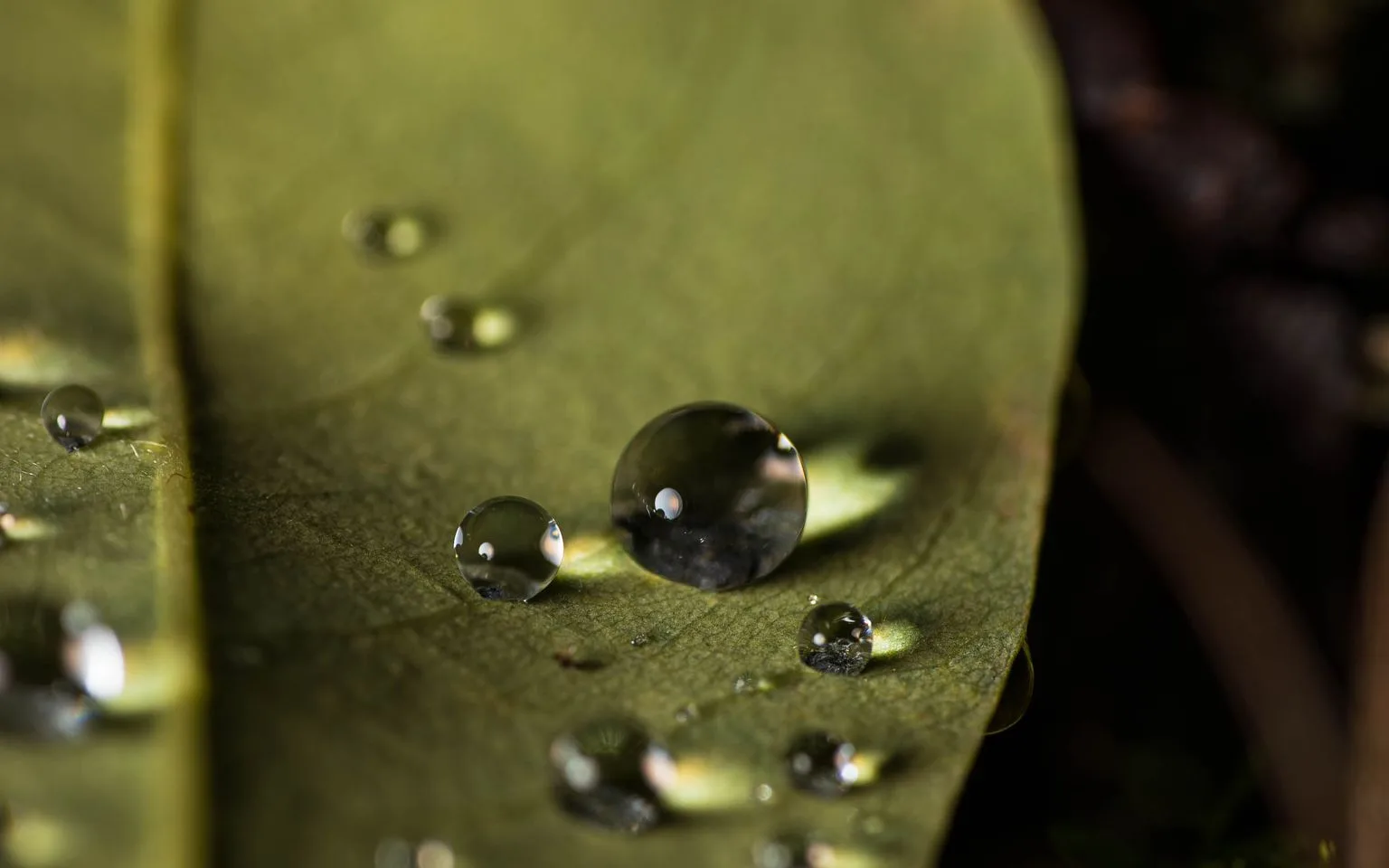
Some houseplants want humidity in the air but never want to be wet. Water sitting on their leaves causes cosmetic spotting at best and fungal disease at worst, which makes misting — the default "humidity fix" you see everywhere — actively harmful for this group. This is not the same as air humidity, and the distinction decides whether your African violet ends up speckled with white rings or blooming all winter. Here is which plants refuse wet foliage, what happens when they get it, and what to do instead.
The Wet-Leaf Hit List
These plants are the ones most likely to be damaged by water droplets on their foliage:
| Plant | Why it hates wet leaves |
|---|---|
| African violet | Hairy leaves trap droplets; cold water causes permanent ring spots |
| Gloxinia (Sinningia) | Same hairy-leaf structure as African violets; water pools in the rosette and rots the crown |
| Rex begonia & other begonias | Powdery mildew and botrytis move in on wet leaf surfaces fast |
| Fuzzy-leaved plants (velvet leaf, Tradescantia sillamontana, Pilea mollis) | Hair traps moisture against the leaf, keeping it damp for hours |
| Succulents & cacti | Water trapped between leaves or in the rosette invites rot; rosette succulents like echeveria are the worst offenders |
| Geraniums (Pelargonium) | Scented and zonal types both develop leaf spot and mildew when foliage stays wet |
| Streptocarpus | Hairy leaves, ring spot on contact with water, same as African violets |
The common thread is surface texture. Furry or hairy leaves hold water droplets in place, so the leaf stays wet long after a smooth leaf would have dried. Rosette-forming plants add a second risk: water that runs down into the crown (the center of the plant) sits against the stem and starts rot that no amount of drying will reverse.
The opposite list matters just as much. Ferns, pothos, philodendron, peace lilies, and most smooth-leaved tropicals are perfectly happy getting their leaves wet — a shower or a thorough misting mimics the rain they evolved under, and their leaves dry quickly. If you want to know which of the wet-tolerant plants also forgive every other kind of mistake, our guide to hard-to-kill houseplants covers the survivors.
Three Problems Wet Leaves Cause
1. Fungal and bacterial leaf spot. A leaf that stays wet for extended periods is the ideal germination surface for fungal spores. Botrytis (gray mold) and various leaf-spot fungi start as small water-soaked or brown spots and spread while the leaf is damp. This is why the same disease shows up repeatedly on misted plants in crowded rooms — the misting is what feeds the outbreak. Cramped shelves with poor airflow make it worse.
2. Water spots and ring spots. On African violets and their relatives, droplets of water — especially cold water — leave permanent white or yellow rings where they touch the leaf. This is not a disease; the OSU plant pathology team describes it as a temperature injury: the rapid temperature drop when a cold droplet hits the leaf damages the cells underneath, leaving a pale ring that never fades. The Pacific Northwest plant disease handbook entry on African violet ring spot notes the damage can occur even with room-temperature water if the leaf is warm, because the effect is driven by the temperature difference, not the actual cold. Once the rings are there, they are permanent — the fix is prevention, which means keeping water off the leaves entirely.
3. Cold shock and edema. Ice-cold water on warm leaves stresses the tissue directly, and on some plants (especially those with slightly succulent leaves) wet conditions cause edema — waterlogged cells that swell into corky bumps on the underside of the leaf. Neither condition kills the plant outright, but both leave permanent marks that lower the plant's value as a display piece.
If a plant already has water damage, accept that the marks are permanent — ring spots and leaf spots do not heal, and scrubbing makes them worse. Cut away badly spotted leaves so the plant stops feeding them, and switch to the below-soil watering methods from the next section. New leaves will grow in clean; the plant's long-term health is rarely at stake as long as the watering habit changes.
How to Add Humidity Without Wetting the Leaves
The fix is simple: give these plants air humidity, not leaf wetness. Misting is the one method to skip for this group.
- Pebble tray. Set the pot on a shallow tray of pebbles with water below the pot base. The water evaporates around the plant without touching the foliage — the oldest, cheapest, and most reliable method.
- Room humidifier. One small humidifier serves a whole shelf. It raises ambient humidity without leaving a single droplet on a leaf.
- Group plants together. Transpiration from neighboring plants raises the local humidity. This is free, and it works.
- Water from below. For African violets and other rosette plants, water the soil directly or set the pot in a saucer of water for 15–30 minutes so it soaks up from the drainage hole. Never splash water onto the crown.
If you need a deeper explanation of why air moisture matters and how to measure it, our humidity guide covers the science and the practical setups in detail.
Cleaning dusty leaves: smooth-leaved plants can be wiped with a damp cloth and dried off after. For fuzzy-leaved plants, skip the water entirely — use a soft dry brush (a makeup brush or paintbrush works well) or a can of compressed air to lift dust. Dust matters more than you think on these plants: a blocked leaf surface is exactly where spider mites and scale first take hold, so a routine dry-brush pass is also your early pest detection habit.
Not sure whether your plant is a wet-leaves-lover or a misting-hater? Take the House Plant Finder quiz and get plants matched to your humidity, light, and how much hands-on care you actually want to do.