Shower Pothos Care: Can Pothos Really Grow in a Bathroom?
Learn when a pothos can thrive in a bathroom or shower space, what usually goes wrong, and how to balance humidity, light, airflow, and watering.
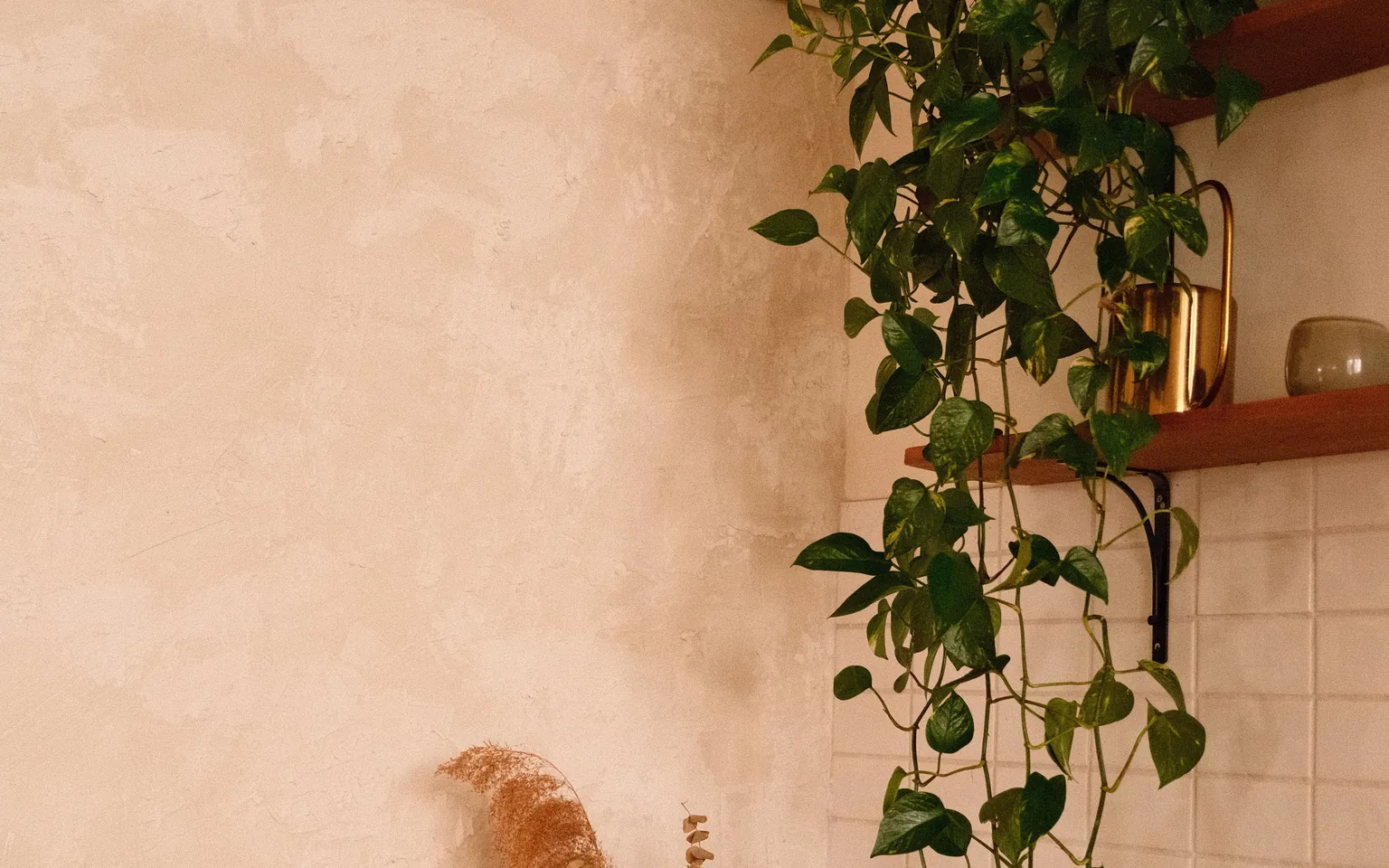
A pothos trailing near a shower looks like the easiest bathroom plant idea in the world: humidity from hot water, glossy green vines, and a little jungle effect in a room that usually feels bare. It is also a real plant trend in public houseplant communities, including recent Reddit discussions about Shower Pothos. In the right bathroom, it can work beautifully.
But a shower pothos is not automatically low maintenance. Bathrooms create a strange mix of conditions: high humidity for short bursts, low light for most of the day, poor airflow, wet surfaces, and sometimes pots without real drainage. Pothos is forgiving, but it still needs enough light to grow and enough dry-down time to avoid root problems.
Here is how to tell whether your bathroom is a good place for pothos, where to put it, and what to adjust if the plant starts yellowing, stretching, or smelling musty.
Can Pothos Grow in a Bathroom?
Yes, pothos can grow in a bathroom if the room has usable light and the pot is allowed to drain. Golden Pothos is especially adaptable because it tolerates medium to low indirect light, average household temperatures, and a wider watering range than many tropical plants. The RHS notes in its guide to best bathroom plants that bathrooms can suit many houseplants because of warmth and humidity, but also emphasizes that natural light still matters for live plants in bathrooms.
Humidity is the easy part. Pothos appreciates humid air, and a bathroom often keeps the leaves from looking dry or crispy. The harder part is light. A bathroom with a bright window, skylight, or reliable grow light can support steady pothos growth. A windowless bathroom may keep a pothos alive for a while, but the plant will usually stop growing, lose variegation, and stretch toward the nearest light source.
Think of shower humidity as a bonus, not the main care plan. Penn State Extension makes a similar point in its guide to humidity and houseplants: bathroom humidity can help in some homes, but the result depends on how the room is used, and bathrooms often lack the right light source for houseplants. Light and drainage still decide whether the plant thrives.
The Best Bathroom Conditions for Pothos
Pothos does best in a bathroom that has bright indirect light, moderate airflow, and a pot that drains fully after watering. It does not need direct sun, and in many bathrooms direct sun through glass can be too hot. What it needs is enough ambient brightness for photosynthesis.
Use this quick check before placing pothos near a shower:
| Bathroom Condition | Good for Pothos? | What to Watch |
|---|---|---|
| Bright window or skylight | Yes | Keep leaves out of harsh afternoon sun |
| Small frosted window | Usually | Growth may be slower, especially in winter |
| No window, no grow light | Not ideal | Expect stretching, leaf drop, and stalled growth |
| Good fan or occasional open door | Yes | Helps the soil dry and prevents musty conditions |
| Pot sitting in a cachepot with water | No | Root rot risk rises quickly |
| Shower spray hitting the soil daily | No | Soil may stay wet for too long |
If your bathroom is dim, a small grow light changes the situation completely. The University of Minnesota Extension explains in its guide to lighting for indoor plants that indoor plants should be matched to existing light conditions, and artificial grow lights can increase available light energy. A pothos under a simple full-spectrum bulb can grow better than one near a tiny north-facing window.
Where to Put Shower Pothos
The best spot is close enough to benefit from humidity but far enough from direct water spray that the soil is not soaked every day. A shelf near the shower, a hanging basket beside a bright window, or the top of a cabinet in a well-lit bathroom are all better than placing the pot directly inside the shower stream.
If the vines hang near the shower, keep the actual pot stable and dry. Wet vines are usually fine for short periods, but a waterlogged root ball is not. Pothos roots need oxygen, and constantly wet soil pushes air out of the potting mix.
Avoid placing the plant where shampoo, soap, cleaning spray, or hard-water residue can collect on the leaves. Occasional clean water is harmless, but bathroom products can leave films that block light and irritate leaf tissue.
How to Water Pothos in a Bathroom
Water based on the soil, not the calendar. Bathroom humidity slows evaporation, so a pothos in a bathroom may need less frequent watering than the same plant in a dry living room.
Check the top 2 inches of soil with your finger. Water only when that top layer feels dry. When you water, soak the potting mix thoroughly and let excess water drain away. Do not leave the nursery pot sitting in standing water inside a decorative pot.
Yellow leaves often mean the roots are staying too wet. Wilting with dry soil usually means the plant is thirsty. Wilting with wet soil is more serious and may point to root rot.
Signs You Are Watering Too Often
- Lower leaves turn yellow one at a time
- Soil stays damp for more than a week
- The pot smells sour or musty
- Stems feel soft near the soil line
- Fungus gnats hover around the pot
If you see these signs, move the plant to brighter light, improve airflow, and let the soil dry more before the next watering. If the pot has no drainage hole, repot into one that does.
Light Problems in Shower Pothos
Pothos can tolerate low light, but it cannot grow well in darkness. If the plant is making long bare vines, tiny new leaves, or mostly green leaves with less yellow or white variegation, it is probably asking for more light.
Move the plant closer to the window, trim leggy vines, or add a grow light. If you use a grow light, run it for 8 to 12 hours per day and keep it close enough to brighten the leaves without heating them.
Low light also changes watering. A pothos in low light uses water slowly, so soil stays wet longer. That is why dim bathrooms and frequent watering are a common root rot combination.
Why Shower Pothos Fails
Most shower pothos problems come from one of four causes: too little light, too much water, poor airflow, or no drainage. The plant may look fine for several weeks because pothos is resilient, but the decline usually shows up as yellow leaves, thinning vines, or mushy stems.
Here is how to match symptoms to causes:
| Symptom | Likely Cause | First Fix |
|---|---|---|
| Yellow lower leaves | Soil staying too wet | Let soil dry more and check drainage |
| Long vines with tiny leaves | Not enough light | Move closer to light or add a grow light |
| Brown crispy edges | Dry roots, minerals, or cleaner residue | Rinse leaves and water consistently |
| Musty smell | Poor airflow or soggy mix | Improve ventilation and repot if needed |
| Fungus gnats | Wet organic soil | Dry the top layer and use better drainage |
For more detailed pest identification, see our guide to common houseplant pests. If the soil smells bad or stems are soft, compare the symptoms with houseplant root rot.
Best Pothos Types for Bathrooms
Golden Pothos is the safest choice because it handles lower light better than many highly variegated varieties. Jade Pothos is also strong in dimmer spaces because its solid green leaves photosynthesize efficiently.
Marble Queen Pothos and Snow Queen Pothos need brighter light to keep their white variegation. They can work in a bright bathroom, but in a dim shower room they may grow slowly and produce smaller leaves.
Neon Pothos can be excellent in medium indirect light, but its color looks best when the room is bright. In a very dark bathroom, the leaves may look dull rather than vivid.
Shower Pothos Setup Checklist
Before you call a bathroom pothos setup finished, check these basics:
- The room has a window, skylight, or grow light
- The pot has a drainage hole
- Water does not collect inside the decorative pot
- Shower spray does not soak the soil every day
- The bathroom fan runs after showers
- Leaves are not coated with soap, shampoo, or cleaning residue
- You check soil dryness before watering
If all seven are true, pothos is one of the best trailing plants for a bathroom.
One more note if you share your home with pets: Golden Pothos is toxic to cats and dogs according to the ASPCA because it contains insoluble calcium oxalates. Place trailing vines where pets cannot chew them, especially in a bathroom where a hanging plant may sit near a sink, tub edge, or low shelf.
Summary
Shower pothos works when the bathroom has enough light, real drainage, and some airflow. Humidity helps the leaves, but it does not replace light or protect roots from staying wet too long.
Choose Golden Pothos or Jade Pothos for dimmer bathrooms, use a hanging basket or shelf away from direct spray, and water only when the top of the soil has dried. If the room has no natural light, add a grow light or choose a plant better suited to very low-light display, such as Snake Plant or ZZ Plant.
The best shower pothos setup feels effortless because the plant is in the right microclimate: humid, bright enough, draining well, and never stuck in soggy soil.