Best Bedroom Plants: 10 Calm, Easy Houseplants for Your Sleep Space
Looking for the best bedroom plants? Discover 10 calming, easy-care houseplants that thrive in bedroom light, fit small spaces, and are safe for pets.
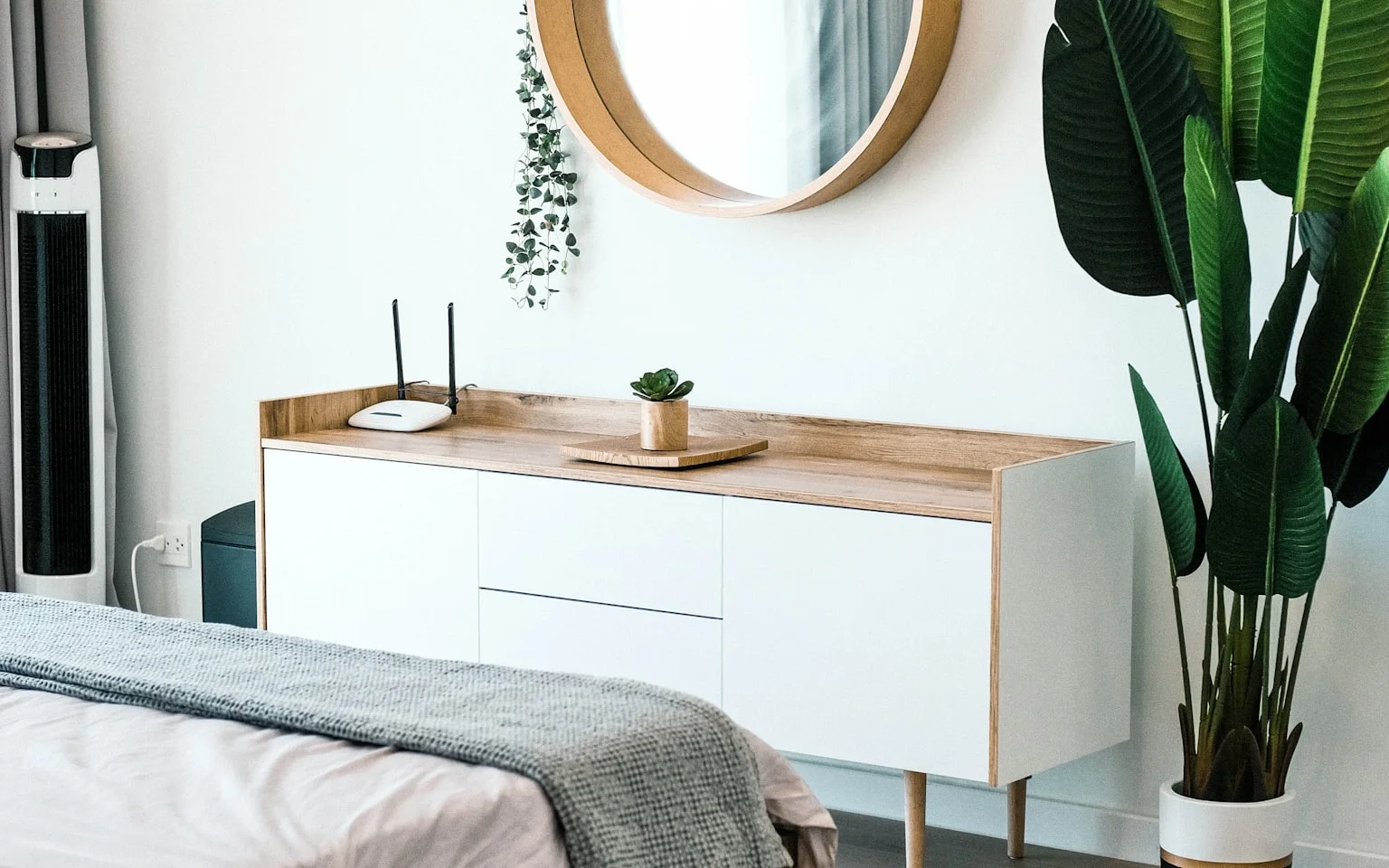
A bedroom should feel calm, not cluttered. But adding one or two well-chosen houseplants can make the room feel softer, fresher, and more personal — without turning it into a jungle.
The problem is that bedroom conditions are not the same as living room conditions. Bedrooms are often darker, cooler at night, and smaller in square footage. The plants that thrive beside a bright living room window may not do well on a bedroom nightstand.
This guide is for anyone who wants to add plants to their bedroom but does not know where to start. It covers the best bedroom plants for different light levels, pet-safe options, compact choices for small spaces, and simple placement tips — all written for real homes, not Instagram.
What Makes a Good Bedroom Plant?
Not every houseplant belongs in a bedroom. The best bedroom plants tend to share a few practical traits.
First, they handle lower or filtered light well. Many bedrooms have north-facing windows, small windows, or windows partially blocked by curtains and blinds. A plant that demands bright direct sun will struggle.
Second, they do not need daily attention. Bedrooms are spaces for rest, not a second workspace. A plant that needs misting twice a day or wilts dramatically after one missed watering adds stress, not calm.
Third, they fit the available surface. A bedroom nightstand, dresser, or corner shelf offers limited room. A compact or slow-growing plant often works better than a sprawling floor plant.
Finally, if you share the room with a pet, you will want plants that are confirmed safe for cats and dogs. Several popular bedroom plants also happen to be pet-safe, which makes choosing easier.
10 Best Bedroom Plants at a Glance
Here are ten houseplants that work well in bedrooms, listed with their light preference, watering style, and whether they are safe for pets.
| Plant | Light | Watering | Pet Safe | Best For |
|---|---|---|---|---|
| Snake Plant | Low to bright indirect | Every 2-4 weeks | No | Nightstands, low-light corners |
| Peace Lily | Low to bright indirect | Every 5-7 days | No | Dressers, medium-light spots |
| Spider Plant | Medium to bright indirect | Every 7-10 days | Yes | Hanging planters, shelves |
| Parlor Palm | Low to bright indirect | Every 7-14 days | Yes | Floor corners, empty walls |
| Heartleaf Philodendron | Low to bright indirect | Every 7-10 days | No | Trailing from shelves |
| Prayer Plant | Medium to bright indirect | Every 5-7 days | Yes | Humid bedrooms, dressers |
| Pothos | Low to bright indirect | Every 7-14 days | No | High shelves, hanging baskets |
| Peperomia Obtusifolia | Medium to bright indirect | Every 10-14 days | Yes | Nightstands, small desks |
| Boston Fern | Medium to bright indirect | Every 3-7 days | Yes | Humid bedrooms, plant stands |
| Phalaenopsis Orchid | Bright indirect | Every 7-10 days | Yes | Nightstands, dressers |
Snake Plant: The Bedroom Classic
Few plants are better suited to a bedroom than a Snake Plant. It tolerates low light, needs very infrequent watering, and grows upright rather than outward, so it takes up almost no surface space.
Snake Plant can handle the dim corner near a bedroom window or sit on a nightstand with filtered daylight. It is one of the few plants that continues to release oxygen at night, which makes it a popular choice for sleep spaces.
Water every two to four weeks, and less often in winter or darker rooms. If you tend to forget about your plants, this one rewards that habit.
Note: Snake Plant is not pet-safe. If you have a cat or dog that chews leaves, choose one of the pet-safe options below instead.
Peace Lily: Soft Leaves, Low Light
Peace Lily is another low-light-tolerant plant that works well in bedrooms. Its dark green leaves and occasional white blooms add a gentle, understated presence without demanding much attention.
It prefers evenly moist soil but will visibly droop when it needs water, which makes it easier to read than many other houseplants. Once watered, it usually perks back up within hours.
Place a Peace Lily on a bedroom dresser or a low plant stand near filtered window light. It does not need strong sun and can handle the softer light common in bedrooms.
Note: Peace Lily is also not pet-safe. Its leaves contain calcium oxalate crystals, which can irritate if chewed. Keep it out of reach if you have curious pets.
Spider Plant: Pet-Safe and Easy
For pet owners, Spider Plant is one of the safest and most forgiving options. It is non-toxic to cats and dogs, grows quickly, and produces baby plantlets that hang down in a way that looks charming on a shelf or in a hanging planter.
Spider Plant prefers medium to bright indirect light, but it adapts surprisingly well. A spot near a bedroom window, even one with filtered or partial light, is usually enough.
Water every seven to ten days and watch for brown leaf tips, which often mean the air is too dry or the water contains too much chlorine. A simple switch to filtered or distilled water usually solves this.
Parlor Palm: The Quiet Floor Plant
If you have an empty corner or a bare wall in the bedroom, a Parlor Palm is a good low-effort floor plant. It grows slowly, tolerates low to medium light, and stays compact enough for apartment bedrooms.
Parlor Palm does not need frequent watering. Every seven to fourteen days is usually enough, and the soil should dry slightly between waterings. It also happens to be pet-safe, which makes it a rare combination of floor-plant presence and household safety.
Place it in a simple ceramic or woven pot near a window, but not directly in harsh afternoon sun.
Heartleaf Philodendron: The Shelf Trailer
Heartleaf Philodendron is a classic trailing plant that works beautifully on a high bedroom shelf, where its vines can hang down naturally. It handles low to medium light, which is exactly what many bedrooms provide.
This is not a demanding plant. Water when the top inch of soil feels dry, roughly every seven to ten days. It grows steadily but does not take over the room, and it can be trimmed easily if the vines get longer than you prefer.
Note: Heartleaf Philodendron is not pet-safe. Skip this one if your pet has access to trailing leaves.
Prayer Plant: Beautiful Leaves, Pet-Safe
Prayer Plant earns its name from the way its leaves fold upward at night, which makes it feel especially fitting in a bedroom. Its patterned foliage adds visual interest without being loud.
It prefers medium to bright indirect light and higher humidity. This makes it a better choice for bedrooms that are not extremely dry — or for people willing to place a small humidity tray nearby.
Prayer Plant is pet-safe, so it works well in bedrooms shared with cats or dogs. Water every five to seven days and avoid letting the soil dry out completely.
Pothos: The Adaptable Trailer
Pothos is one of the most adaptable houseplants available. It tolerates low light, medium light, and bright indirect light, which means it can live in almost any bedroom.
Its trailing vines look best on a high shelf, a hanging planter, or a tall dresser where the leaves can cascade down. If you want a plant that fills vertical space without taking up floor room, Pothos is a strong choice.
Water every seven to fourteen days. Pothos is forgiving of missed waterings and will usually bounce back even after a longer dry spell.
Note: Pothos is not pet-safe. Keep it out of reach if you have pets that chew on plants.
Peperomia Obtusifolia: Compact and Pet-Safe
For small bedrooms, Peperomia Obtusifolia is an excellent compact option. It stays under twelve inches tall, has thick glossy leaves, and fits comfortably on a nightstand or small shelf.
It prefers medium to bright indirect light and only needs water every ten to fourteen days. The semi-succulent leaves store moisture, so it handles occasional forgetfulness well.
It is pet-safe, which makes it one of the best small plants for a bedroom shared with animals.
Boston Fern: Soft Texture for Humid Bedrooms
Boston Fern brings a different texture to the bedroom — soft, arching fronds that feel light and airy. It prefers medium to bright indirect light and consistent moisture, so it is a better choice for bedrooms with a bit more humidity, such as those with an attached bathroom.
Water every three to seven days and mist occasionally if the air is dry. Boston Fern benefits from a bathroom-adjacent bedroom or a spot that does not get blasted by heating vents in winter.
It is pet-safe, so you can place it on a plant stand or low table without worry.
Phalaenopsis Orchid: Elegant and Surprisingly Easy
Phalaenopsis Orchid is often seen as a high-maintenance gift plant, but it is actually well-suited to bedroom conditions. It prefers bright indirect light — a spot near a bedroom window with sheer curtains works well — and only needs water every seven to ten days.
An orchid on a nightstand or dresser adds a quiet, elegant focal point without taking up much space. Its long-lasting blooms can stay open for weeks or even months.
Phalaenopsis Orchid is pet-safe, and a simple bark-based potting mix plus a pot with drainage holes is all it needs.
Bedroom Light: What to Actually Expect
Before choosing a bedroom plant, take an honest look at your light. Bedroom light is often softer than people assume. Curtains, blinds, smaller windows, and north-facing orientation all reduce brightness.
If your bedroom window faces north, expect low to medium light. East-facing windows give gentle morning brightness. South- and west-facing windows offer stronger light, but often filtered through blinds or curtains for privacy.
Low-light tolerant plants like Snake Plant, Peace Lily, Parlor Palm, Pothos, and Heartleaf Philodendron tend to perform more reliably in typical bedroom conditions. Plants that need bright indirect light — like Phalaenopsis Orchid — should be placed close to the window, not across the room.
If your bedroom is genuinely dark during the day, consider a small grow light on a timer. Even a simple one can make the difference between a plant surviving and a plant thriving.
Small Bedroom? Focus on Vertical Space
A small bedroom does not mean no plants. It means choosing plants that use vertical space instead of floor space.
Trailing plants like Pothos, Heartleaf Philodendron, and Spider Plant work well on high shelves or in hanging planters. Compact upright plants like Snake Plant, Peperomia Obtusifolia, and Phalaenopsis Orchid fit on nightstands or narrow dressers without crowding the surface.
Avoid large floor plants in small bedrooms. A Kentia Palm or Monstera may look beautiful in a living room, but in a tight bedroom it can feel like an obstacle rather than an addition.
Pet-Safe Bedroom Plants at a Glance
If you share your bedroom with a cat or dog, here is a quick list of the plants in this guide that are confirmed pet-safe:
- Spider Plant
- Parlor Palm
- Prayer Plant
- Peperomia Obtusifolia
- Boston Fern
- Phalaenopsis Orchid
Among these, Spider Plant and Peperomia Obtusifolia are the most forgiving in terms of light and watering, making them the safest starting points for pet-owning beginners.
Always confirm pet safety before bringing a new plant into a room where your pet sleeps or spends time. If you are unsure, the House Plant Finder quiz includes pet safety as one of its filters, so you can browse only plants marked as safe for cats and dogs.
How to Place Plants in a Bedroom
Placement matters almost as much as plant choice. Here are a few simple guidelines.
Nightstand: Choose compact plants like Snake Plant, Peperomia Obtusifolia, or a small Phalaenopsis Orchid. Avoid anything that drips water onto wood surfaces.
Dresser: Medium-sized plants like Peace Lily or Prayer Plant work well. Leave enough space for your daily items — the plant should complement the surface, not dominate it.
Corner or empty wall: A Parlor Palm or a plant stand with a Boston Fern fills an awkward empty spot without blocking pathways.
High shelf or hanging planter: Use trailing plants like Pothos, Heartleaf Philodendron, or Spider Plant to draw the eye upward and free up floor and surface space.
Windowsill: If your windowsill is wide enough, a small plant in bright indirect light — such as Phalaenopsis Orchid or Peperomia Obtusifolia — can thrive there.
One plant per surface is usually enough. Grouping several plants together on one nightstand or dresser can quickly make the room feel cluttered rather than calm.
Common Bedroom Plant Mistakes
Choosing a plant that needs more light than your bedroom provides. A Fiddle Leaf Fig or succulent in a north-facing bedroom will slowly decline. Match the plant to your actual light, not your wishful thinking.
Overwatering because the soil looks dry on top. Bedroom plants in lower light use less water. Always check an inch below the surface before watering.
Placing a plant too far from the window. Low-light tolerant does not mean no-light tolerant. Even a Snake Plant needs some daylight. If you cannot read a book in that spot without a lamp, the light is probably too dim for any plant.
Forgetting about heating and air conditioning. Bedroom vents, radiators, and air conditioning units can dry out plants quickly or blast them with hot or cold air. Place plants away from direct airflow.
Final Thoughts
Adding plants to a bedroom should make the space feel better, not busier. The best bedroom plant is not the most photogenic one — it is the one that fits your light, your watering habits, your pet situation, and the actual surface or corner where it will live.
Start with one plant. See how it does. If it thrives, you can always add a second. A bedroom with one healthy, well-placed Snake Plant or Spider Plant will always feel better than a bedroom with three struggling plants crammed onto the same surface.
Find the Right Bedroom Plant for Your Home
Not sure which plant matches your bedroom light, watering routine, and pet situation? Try the House Plant Finder quiz. It asks a few simple questions about your space and care preferences, then suggests plants that actually fit — no guessing required.
FAQs About Bedroom Plants
What are the best bedroom plants for low light?
Snake Plant, Peace Lily, Parlor Palm, Pothos, and Heartleaf Philodendron all tolerate low to medium light well. Snake Plant and ZZ Plant are the most forgiving in genuinely dim bedrooms.
Are bedroom plants safe to keep while sleeping?
Yes. The idea that plants compete with humans for oxygen at night is widely overstated. The amount of carbon dioxide released by a few houseplants is negligible — far less than what a second person or a pet would produce in the same room.
Which bedroom plants are safe for cats and dogs?
Spider Plant, Parlor Palm, Prayer Plant, Peperomia Obtusifolia, Boston Fern, and Phalaenopsis Orchid are all confirmed pet-safe. Always double-check any plant before bringing it into a home with pets.
How many plants should I put in a bedroom?
Start with one or two. A single well-placed plant on a nightstand or a corner floor plant is usually enough to soften the room without making it feel crowded.
Do bedroom plants need special care compared to other rooms?
Not especially, but bedroom light is often lower, and bedrooms may be cooler at night. This means bedroom plants generally need less frequent watering than the same plant in a brighter living room.
What is the hardest plant to keep in a bedroom?
Plants that need strong direct light — such as most succulents, cacti, and certain flowering plants — tend to struggle in bedrooms unless the window light is exceptionally strong. Fiddle Leaf Fig and Croton are also poor bedroom choices in most homes.