How Much Light Do Houseplants Need? A Simple Indoor Light Guide
Learn how much light houseplants need, what bright indirect light means, how to identify low light, and how to place indoor plants in the right spot.
Light is one of the most important parts of houseplant care, but it is also one of the most confusing. Many plant labels say things like “bright indirect light” or “tolerates low light,” but those phrases are not always easy to understand inside a real home.
The truth is simple: different houseplants need different levels of light. Some plants can adapt to lower-light rooms, while others need a bright window to grow well. Once you understand what indoor light actually means, it becomes much easier to choose the right plant and place it in the right spot.
This guide explains how much light houseplants need, what common light terms mean, and how to tell whether your plant is getting too much or too little light.
Why Light Matters for Houseplants
Plants use light to produce energy. Without enough light, a houseplant may survive for a while, but it will usually grow more slowly, produce smaller leaves, lose color, or become weak and stretched.
Light also affects watering. A plant in brighter light usually uses water faster. A plant in low light dries out more slowly and is easier to overwater. This is why light and watering should always be considered together.
If your plant is struggling, do not only ask whether you are watering correctly. Also ask whether the plant is receiving the right amount of light.
What Does Bright Indirect Light Mean?
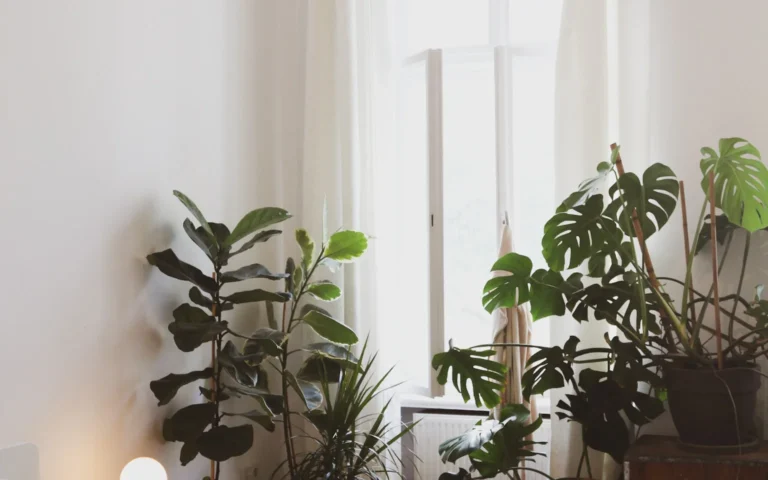
Bright indirect light means the plant receives plenty of natural light, but the sun is not directly hitting the leaves for long periods.
This is one of the most common light preferences for indoor plants. Many popular houseplants, including Pothos, Philodendron, Monstera, Rubber Plant, and Peace Lily, usually grow well in bright indirect light.
In a home, bright indirect light is often found near an east-facing window, a few feet away from a south- or west-facing window, or beside a window with sheer curtains.
The room should feel naturally bright during the day, but the plant should not be sitting in harsh direct sun for many hours.
What Is Low Light?
Low light does not mean no light. A low-light room still has enough natural light for you to read comfortably during the day without turning on a lamp.
Low-light areas may include rooms with north-facing windows, spaces farther away from windows, bedrooms with filtered light, offices with limited natural light, or shaded corners.
Some plants can tolerate low light better than others. Snake Plant, ZZ Plant, Pothos, and Parlor Palm are often better choices for lower-light spaces.
However, even low-light tolerant plants usually grow more slowly in darker rooms. They may survive, but they may not grow as quickly or look as full as they would in brighter indirect light.
What Is Direct Light?
Direct light means the sun’s rays shine directly onto the plant’s leaves. This type of light is stronger and warmer than indirect light.
Some plants enjoy direct light, especially many succulents, cacti, Aloe Vera, and certain sun-loving indoor plants. But many tropical houseplants can burn if they receive too much harsh direct sun, especially through a hot west-facing window.
Signs of too much direct light can include brown scorch marks, crispy leaf edges, faded color, curled leaves, or dry soil that dries out very quickly.
Before placing a plant in direct sun, check whether that plant actually prefers bright direct light or bright indirect light.
Understanding Window Direction
Window direction can help you estimate indoor light more easily.
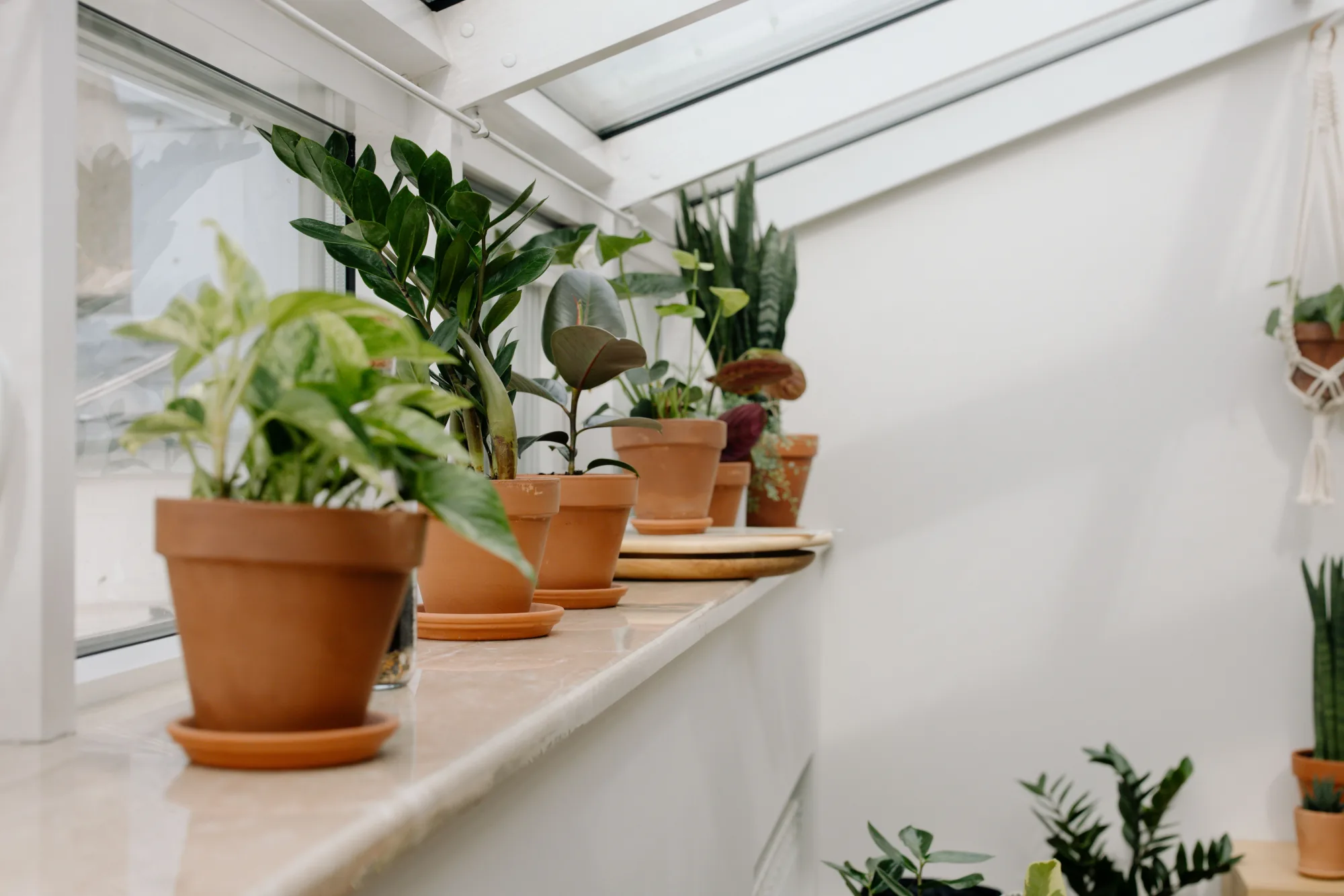
East-facing windows usually provide gentle morning light. This is often a great location for many houseplants because the light is bright but not too harsh.
South-facing windows usually receive the strongest and longest light in many homes. These spots can work well for plants that like bright conditions, but some houseplants may need to be moved back from the window or protected with sheer curtains.
West-facing windows often get strong afternoon sun. This can be intense, especially in warmer months, so watch for leaf burn or fast soil drying.
North-facing windows usually provide softer, lower light. These areas may be better for low-light tolerant plants rather than plants that need strong light.
How to Tell If Your Plant Needs More Light
A plant that needs more light may not always look dramatic at first. The signs can appear slowly.
Common signs of too little light include slow or no growth, smaller new leaves, long gaps between leaves, leaning toward the window, pale color, weak stems, and soil that stays wet for too long.
Variegated plants may also lose some of their pattern or become greener when they do not receive enough light. This happens because the plant is trying to produce more chlorophyll to capture available light.
If your plant shows these signs, try moving it closer to a window or into a brighter room. Make changes gradually and observe how the plant responds.
How to Tell If Your Plant Is Getting Too Much Light
Too much light can also cause problems, especially for plants that prefer filtered or indirect light.
Signs of too much light include scorched brown patches, crispy leaf edges, faded leaves, curling leaves, drooping during the hottest part of the day, and soil drying out extremely quickly.
If this happens, move the plant farther from the window, use a sheer curtain, or place it where it receives morning light instead of strong afternoon sun.
The goal is not always to give a plant the brightest spot possible. The goal is to match the plant with the right kind of brightness.
Best Places to Put Houseplants Indoors
The best plant placement depends on the plant’s light preference and your room layout.
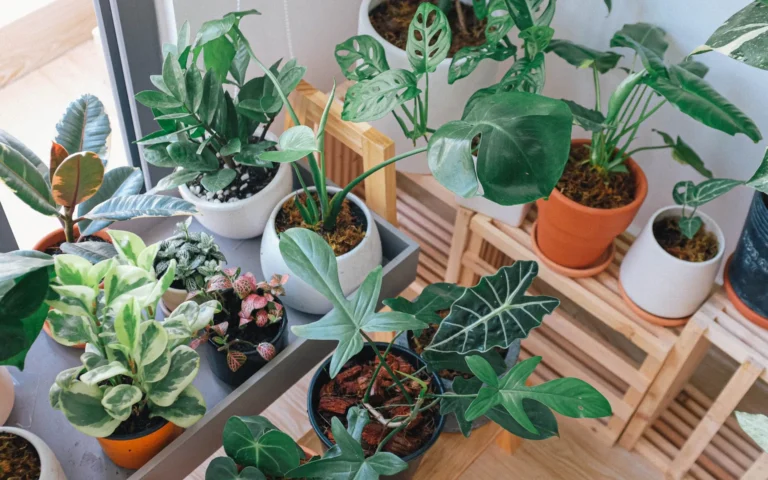
Plants that prefer bright indirect light often do well near windows, on plant stands, beside a bright wall, or a few feet away from strong sun.
Low-light tolerant plants can work in bedrooms, offices, shaded corners, shelves, or spaces farther from windows, as long as the room still receives some natural light.
Plants that prefer direct light should be placed near bright windows where they can receive several hours of sun, but only if they are suited to that condition.
Before choosing a plant, look at your actual room first. The right plant for your home is not just the one you like visually. It is the one that fits your light conditions.
Why Low-Light Plants Still Need Careful Watering
Low-light plants are often called easy, but they can still be overwatered. Because they receive less light, they usually grow more slowly and use less water.
This means a Snake Plant or ZZ Plant in a darker room may need far less frequent watering than the same plant in a brighter room.
If your plant is in low light, always check the soil before watering. Wet soil plus low light is one of the most common reasons indoor plants struggle.
Can Artificial Light Help Houseplants?
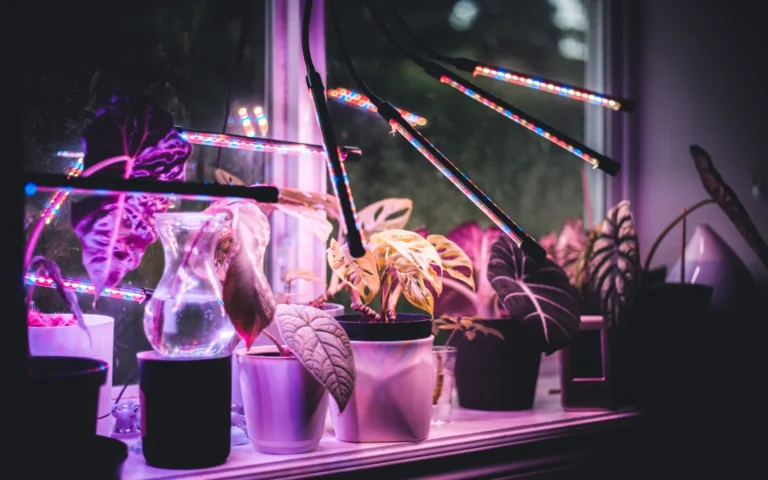
Yes, artificial grow lights can help if your home does not receive enough natural light. They are especially useful in dark apartments, offices, winter months, or rooms where windows are small or shaded.
A grow light does not have to be complicated. For many common houseplants, a simple full-spectrum grow light placed at the right distance can support healthier growth.
However, normal room lamps are usually not strong enough to replace natural light for most plants. If you want to use artificial light seriously, choose a light designed for plant growth.
Should You Rotate Your Houseplants?
Rotating your houseplants can help them grow more evenly. Many plants naturally lean toward the light source. Turning the pot slightly every week or two can encourage a more balanced shape.
This is especially useful for plants near windows, such as Rubber Plant, Monstera, Pothos, and Philodendron.
Do not rotate a plant too aggressively every day. Small, regular adjustments are enough.
How Light Changes by Season
Indoor light changes throughout the year. A room that feels bright in summer may become much dimmer in winter. Shorter days, lower sun angles, cloudy weather, and closed curtains can all reduce available light.
During darker months, some plants may grow more slowly and need less water. This is normal. You may also need to move certain plants closer to windows during winter, then move them back if the light becomes too intense in summer.
Seasonal adjustment is an important part of long-term houseplant care.
Common Indoor Light Mistakes
One common mistake is placing every plant in the same kind of light. A Calathea, Snake Plant, Aloe Vera, and Rubber Plant do not all want the exact same conditions.
Another mistake is assuming that “low light” means a plant can live in a dark corner with no natural light. Most houseplants still need some daylight to stay healthy.
A third mistake is separating light from watering. If a plant gets less light, it usually needs less water. If it gets more light, it may dry out faster.
Understanding this connection can prevent many common houseplant problems.
A Simple Way to Match Plants With Light
Before buying or placing a plant, ask three questions:
How bright is the room during the day?
How close will the plant be to a window?
Does the plant prefer low light, bright indirect light, or direct light?
If your room is dim, choose low-light tolerant plants. If your room is bright but the sun does not hit the leaves directly, choose plants that like bright indirect light. If your window receives strong sun, choose plants that can handle brighter direct conditions.
This simple matching process is often more useful than trying to force a plant into a spot where it does not naturally belong.
Final Thoughts
Houseplant light care becomes much easier once you understand the difference between low light, bright indirect light, and direct light. Most indoor plants do not need perfect conditions, but they do need the right general environment.
If your plant is not growing well, look at the light before changing everything else. Move it gradually, watch how the leaves respond, and adjust your watering based on how quickly the soil dries.
The better you understand your home’s light, the easier it becomes to choose houseplants that can actually thrive in your space.
FAQs About Houseplant Light
How much light do houseplants need?
It depends on the plant. Many popular houseplants prefer bright indirect light, while others can tolerate low light or need direct sun. Always match the plant to your room’s actual light conditions.
What does bright indirect light mean for indoor plants?
Bright indirect light means the plant receives strong natural brightness without harsh direct sun hitting the leaves for long periods.
Can houseplants grow in low light?
Some houseplants can tolerate low light, including Snake Plant, ZZ Plant, Pothos, and Parlor Palm. However, low light does not mean complete darkness.
How do I know if my plant is not getting enough light?
Signs include slow growth, small new leaves, leaning toward the window, pale color, weak stems, and soil that stays wet too long.
Can too much light hurt houseplants?
Yes. Some plants can burn in strong direct sunlight. Brown scorch marks, faded leaves, crispy edges, and curling leaves may be signs of too much light.
Do houseplants need less water in low light?
Usually, yes. Plants in low light grow more slowly and use less water, so their soil often stays wet longer.