8 Low-Light Houseplants for Windowless Rooms and Dark Corners
Eight houseplants that genuinely tolerate low light, ranked by how little light they can handle — from dim north-facing rooms to hallways and bathrooms without windows.
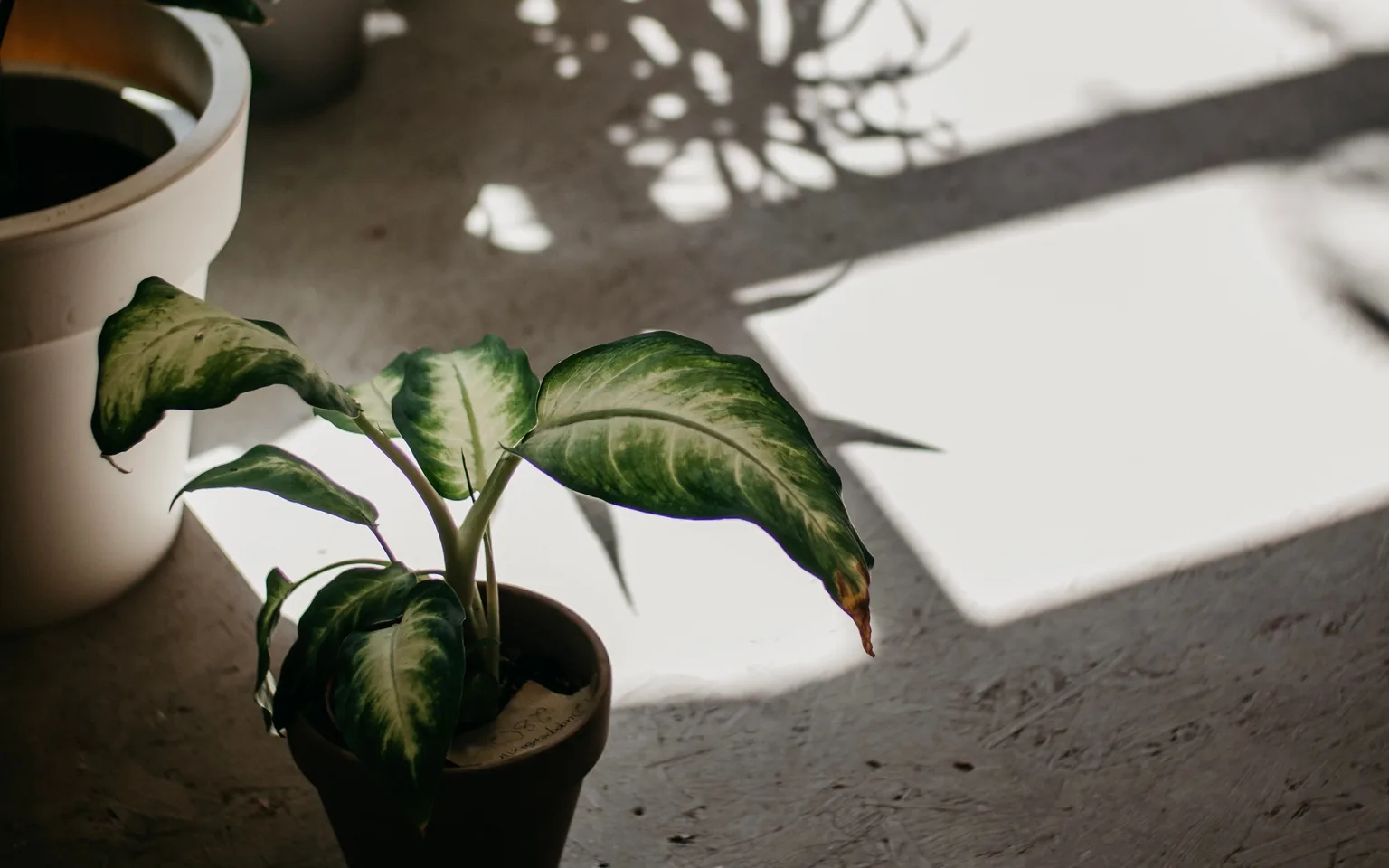
"Low light" is the most misleading phrase in houseplant care. In the context of indoor plants, low light means a spot where you can comfortably read a book during the day without turning on a lamp — not a closet, not a windowless bathroom with the door closed, not a basement with no natural light at all. The difference between "low light" and "no light" is the difference between a plant that grows slowly and a plant that dies.
That said, there are plants that genuinely tolerate lower light levels than others. They evolved on forest floors beneath dense tree canopies, where direct sunlight rarely reaches. They photosynthesize efficiently in dim conditions, grow slowly to conserve energy, and do not drop leaves or stretch leggy when the light is limited.
The eight plants below are ranked by how little light they can realistically survive — starting with the most shade-tolerant and working toward plants that prefer medium light but will persist in lower conditions if you accept slower growth.
What Counts as "Low Light"?
You need a shared definition to use this list effectively. Low light is:
- A north-facing window (in the Northern Hemisphere) that never receives direct sun
- A spot 6–10 feet from an east- or west-facing window
- A room where the lights are off during the day and you can still see without straining, but barely
If you need a flashlight to see the plant during daylight hours, that is no light — and no plant in this list, or any list, will survive there. In that case, add a grow light. A basic LED grow bulb in a regular lamp is enough to turn a "no light" space into a "low light" one, and it costs about as much as a medium-sized plant.
1. ZZ Plant (Zamioculcas zamiifolia)
The ZZ plant is the gold standard for low-light tolerance among houseplants. It stores water and energy in rhizomes beneath the soil and uses that reserve to power photosynthesis in conditions where other plants would exhaust themselves. A 2018 paper in the Journal of Environmental Horticulture detailed the ZZ plant's photosynthetic efficiency in extremely low light — it maintains function at light levels that cause most foliage plants to senesce, or effectively go dormant.
In practical terms, a ZZ plant can live in a room lit only by fluorescent office lights, a hallway with no windows, or a bathroom where the only natural light comes from a small frosted window. It grows very slowly in these conditions — do not expect new leaves every month — but it stays healthy and retains its glossy, dark green appearance.
The only way to kill a ZZ plant in low light is overwatering. With less light, the plant uses less water, and the soil stays wet longer. Wait until the soil is dry all the way through — which may take 3–4 weeks or more in low light — before watering.
Light: Low to bright indirect. Survives in fluorescent light only. Water: Every 3–5 weeks in low light, when soil is fully dry. Size: 2–3 feet tall. Pet safety: Toxic if ingested.
2. Snake Plant (Sansevieria)
Snake plants handle low light through CAM photosynthesis: they absorb carbon dioxide at night and store it for daytime use, which makes them more efficient in dim conditions than plants that rely entirely on daytime light for gas exchange. They also have thick, water-storing leaves that buffer against drought — a plant in low light may only need water once every 4–6 weeks.
The main consideration with snake plants in low light is that they grow very slowly, and variegated varieties may lose some of their yellow or white edges over time as the plant reduces chlorophyll production in the lighter parts of the leaves. This is a cosmetic change, not a sign of failing health. If the variegation matters to you, place a variegated snake plant in medium light and reserve the solid green varieties for darker corners.
Light: Low to bright indirect. Tolerates low light better than most. Water: Every 3–6 weeks in low light. Size: 1–4 feet, variety-dependent. Pet safety: Toxic if ingested.
3. Cast Iron Plant (Aspidistra elatior)
The cast iron plant earned its name in Victorian England, where it survived in dim, coal-heated parlors that killed nearly every other plant. It tolerates low light, temperature swings, dry air, and inconsistent watering — a combination that would doom most houseplants within weeks.
In low light, a cast iron plant essentially maintains. It does not put out much new growth, but the existing leaves stay healthy and dark green for years. The broad, lance-shaped leaves reach 18–24 inches and create a substantial presence in a corner or against a wall where other plants would fail.
The slow growth rate in low light also means that dust accumulates on the leaves over weeks and months. Wiping them down with a damp cloth every few weeks keeps the leaf surfaces clear for what little light is available.
Light: Low to medium indirect. Avoid direct sun. Water: Every 2–3 weeks, letting top two inches of soil dry. Size: 2–3 feet tall and wide. Pet safety: Non-toxic.
4. Chinese Evergreen (Aglaonema)
Chinese evergreens are native to the shaded understory of Asian tropical forests, and they are among the few plants that genuinely prefer low to medium light over bright light. Direct sun scorches their leaves. The all-green varieties — Aglaonema modestum, Aglaonema commutatum — handle the deepest shade. Variegated varieties with silver, pink, or red markings need slightly more light to maintain their color.
Chinese evergreens also tolerate dry indoor air better than many tropical plants, making them a better choice for low-light offices and hallways than ferns or calatheas, which would crisp up in the same conditions.
The one vulnerability is cold. Chinese evergreens are sensitive to temperatures below 60°F and will show damage — yellowing leaves, slowed growth — if placed near a drafty window or air conditioning vent in winter.
Light: Low to medium indirect. Green varieties handle the darkest spots. Water: Weekly, letting top inch of soil dry between. Size: 1–3 feet, variety-dependent. Pet safety: Toxic if ingested.
5. Peace Lily (Spathiphyllum)
Peace lilies are one of the few flowering plants that bloom in low light — though in very dim conditions, blooming will be sparse or absent. The white spathes (what most people call the "flower") appear most reliably in medium indirect light, but the plant itself stays healthy in lower light, producing glossy green foliage that fills out nicely.
Peace lilies are also uniquely communicative: when they need water, the leaves droop dramatically, and they perk back up within hours of being watered. This makes them one of the easiest plants to care for, even in low light, because the plant tells you exactly when it is thirsty rather than requiring you to monitor soil moisture.
In low light, the soil stays wet longer, so the time between waterings extends naturally. When the leaves just begin to droop, water thoroughly until it runs out of the drainage holes. A well-draining potting mix prevents the roots from sitting in water.
Light: Low to medium indirect. Blooms decrease in low light. Water: When leaves begin to droop — roughly every 1–2 weeks. Size: 1–3 feet tall. Pet safety: Toxic if ingested.
6. Pothos (Epipremnum aureum)
Pothos is often the first plant people try in a low-light spot, and for good reason: it is forgiving, fast-growing enough to show visible progress even in dim conditions, and easy to propagate if a section of the plant does struggle. In low light, the variegation may fade — golden pothos can revert to mostly green — and the leaves may grow slightly smaller, but the plant itself will persist.
The trailing habit of pothos makes it versatile in a low-light room. You can place the pot on a high shelf or bookcase where the plant gets slightly more light than it would at floor level, and let the vines trail down. The elevation matters: even an extra foot or two of height can increase the available light enough to improve growth noticeably.
Light: Low to bright indirect. Variegation fades in low light. Water: Weekly to biweekly, when top inch of soil feels dry. Size: Trailing up to 3+ m. Pet safety: Toxic if ingested.
7. Philodendron (Philodendron hederaceum and others)
Heartleaf philodendron and its relatives are native to tropical forests where they climb trees toward the canopy, meaning they spend their early lives in heavy shade at ground level. This evolutionary history makes them unusually tolerant of low indoor light — they grow more slowly, but they do not become leggy or drop leaves the way many plants do in dim conditions.
Philodendrons also root easily in water, so if a low-light placement does cause some leaf loss over time, you can trim back the stems and propagate new plants from the cuttings. This makes them a good choice for a low-light spot where you are willing to do light maintenance a few times a year.
Vining philodendrons look their best when the vines are pruned periodically to encourage fuller growth rather than a few long, sparse strands. Trimming just above a leaf node prompts the plant to branch.
Light: Low to bright indirect. Water: Weekly, when top inch of soil feels dry. Size: Trailing or climbing, 2–3+ m. Pet safety: Toxic if ingested.
8. Parlor Palm (Chamaedorea elegans)
The parlor palm was the go-to indoor palm of the Victorian era — back when houses were lit by gas lamps and "bright indirect light" meant a north-facing window on a cloudy day. It survived then and it survives now because it photosynthesizes efficiently in low light and grows slowly enough that it does not demand the rapid energy intake that fast-growing plants require.
A parlor palm in low light will grow perhaps a few centimeters per year. The fronds may be slightly smaller than those on a plant in brighter conditions, but the palm maintains a healthy, green appearance. It also benefits from occasional misting — dry indoor air, more than low light, is the main cause of brown frond tips in parlor palms. Our guide to increasing humidity for houseplants covers practical options.
Light: Low to medium indirect. Water: Weekly, keeping soil lightly moist. Size: 2–4 feet indoors. Pet safety: Non-toxic.
How to Help Low-Light Plants Thrive
Beyond picking the right plant, a few adjustments make a measurable difference in low-light conditions:
- Rotate the plant every few weeks. Even in low light, the side facing the window gets more than the side facing the wall. Rotation keeps growth even.
- Clean the leaves monthly. Dust blocks what little light is available. A damp cloth takes 30 seconds and makes a real difference.
- Reduce watering frequency. Less light means less photosynthesis, which means less water consumption. Overwatering — not low light — is the main killer of plants in dim rooms. The warning signs are the same across all common overwatering problems.
- Do not fertilize heavily in low light. Slow growth means low nutrient demand. A diluted dose once in spring and once in summer is plenty. More than that risks fertilizer burn from salts the plant cannot use.
Find more plants matched to your home's light conditions with the House Plant Finder quiz.