How to Downsize a Houseplant Collection Without Regret
Learn how to downsize a houseplant collection with a practical audit, a staged rehoming plan, and clear rules that protect your time and favorite plants.
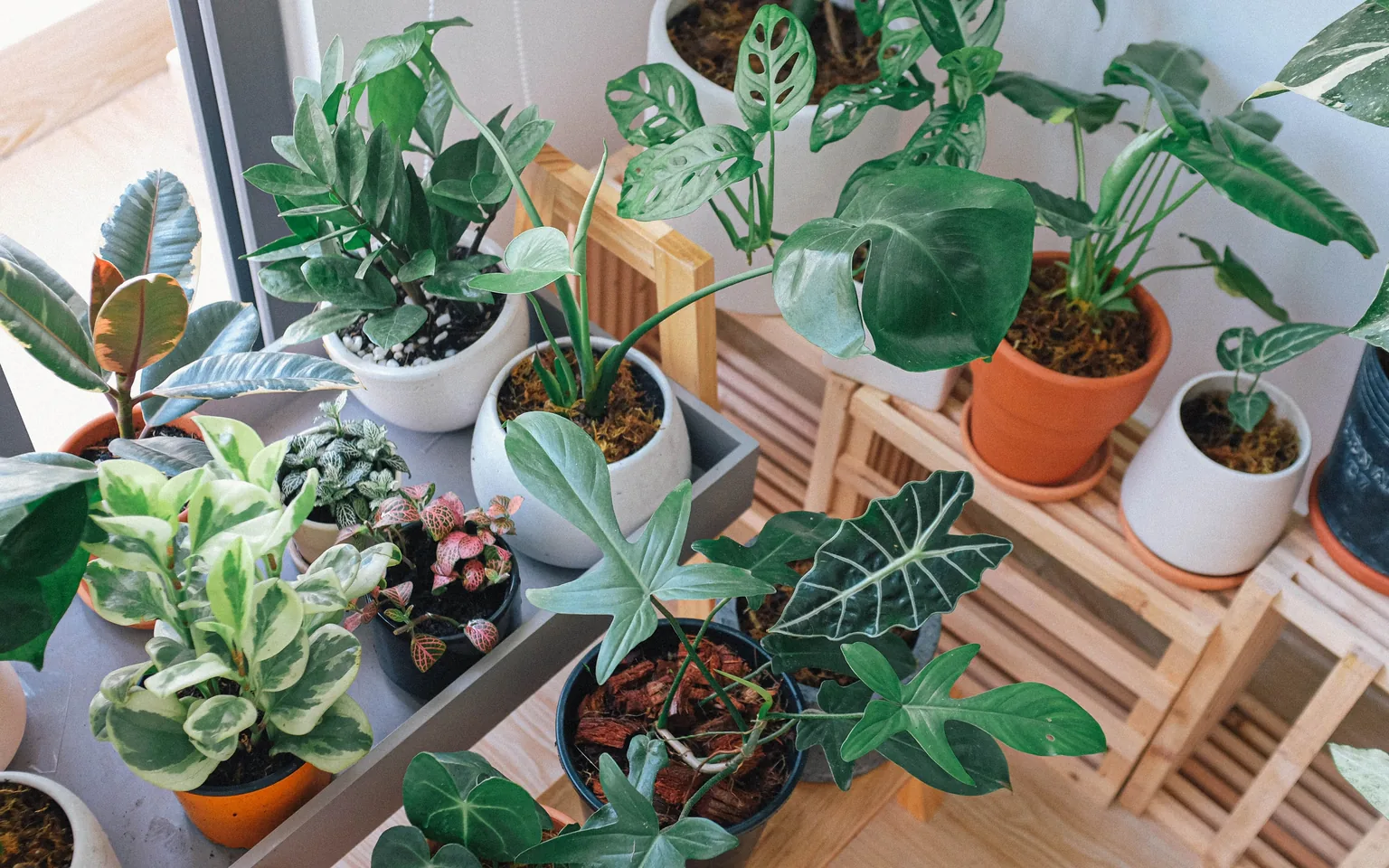
Learning how to downsize a houseplant collection is not the same as giving up on plants. It is a way to bring the collection back within the limits of your time, space, light, and attention. The goal is not to keep the rarest plants or reach an arbitrary number. It is to keep the plants you can care for well and still enjoy.
Large collections often grow gradually. One cutting becomes four pots, a shelf becomes a room, and a weekly watering check becomes a project that is difficult to finish. Public discussions in r/houseplants about collection growth over several years show how quickly that change can happen. A collection may still look impressive while its maintenance no longer fits the owner's life.
Start With Your Real Care Capacity
Before deciding which plants stay, measure the work the collection creates. For one or two weeks, note how long you spend checking soil, watering, treating pests, cleaning shelves, rotating pots, and managing cuttings. Include the tasks you postpone, not just the ones you complete.
Then define a care limit you can sustain during an ordinary week. A collection that only works when you have extra energy is already too demanding. Your limit might be 30 minutes twice a week, one watering cart, two shelves, or a fixed number of plants. A physical limit is often easier to follow than a vague promise to buy less.
Use the same approach for space and light. Count the positions that genuinely provide suitable light, rather than every surface that can hold a pot. The Houseplant Sunlight Check can help you assess a location before assigning a plant to it. Plants that depend on temporary, awkward, or inaccessible positions add friction to every care round.
Audit Every Plant in Four Groups
Do not decide plant by plant without a system. Make one complete list and place each plant in one of four groups.
Keep
Keep plants you actively enjoy, can support in their current size, and know how to care for. A plant does not need to be rare or dramatic to earn its place. Reliable plants can provide more satisfaction than demanding specimens that are always recovering.
Improve
This group is for plants with a solvable problem: the wrong position, compacted mix, an unsuitable pot, or a support that no longer works. Give each plant one specific intervention and a deadline. If the plant is still declining after a reasonable trial, move it to the rehome group.
Propagate and Reduce
Some plants are valuable to you but physically too large. Keep one healthy cutting or division and rehome the parent plant. This is useful for vigorous vines and clumping plants, but only if the smaller plant genuinely reduces maintenance. Ten rooted cuttings are not a smaller collection.
Rehome
Rehome plants that repeatedly miss care, do not suit your available light, trigger stress, or remain in the collection only because of their purchase price. Sunk cost is not a care plan. The money has already been spent; keeping a poorly matched plant only adds future work.
Use a Decision Score When You Feel Stuck
For difficult choices, score each plant from zero to two on five questions:
- Do I enjoy seeing and caring for it?
- Does it fit a real light position in my home?
- Can I manage its mature size?
- Has it been reasonably healthy during the last six months?
- Would I choose this plant again today?
A low score does not force an immediate decision, but it exposes plants being kept through guilt, habit, or price. Apply the same questions to duplicates. If three plants serve the same visual role, keeping the healthiest or most meaningful one may be enough.
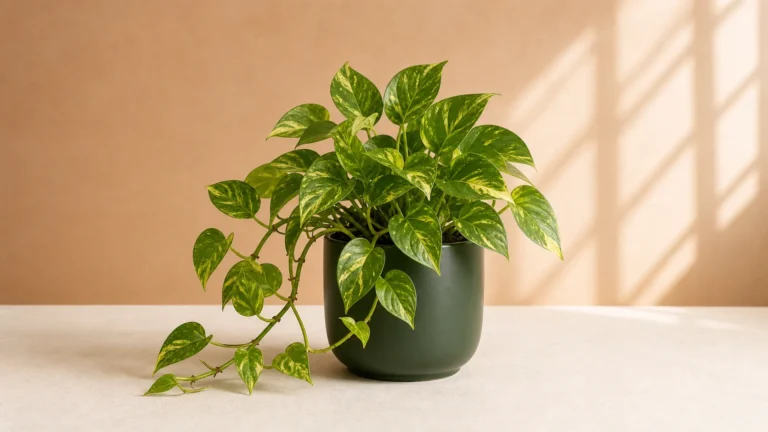
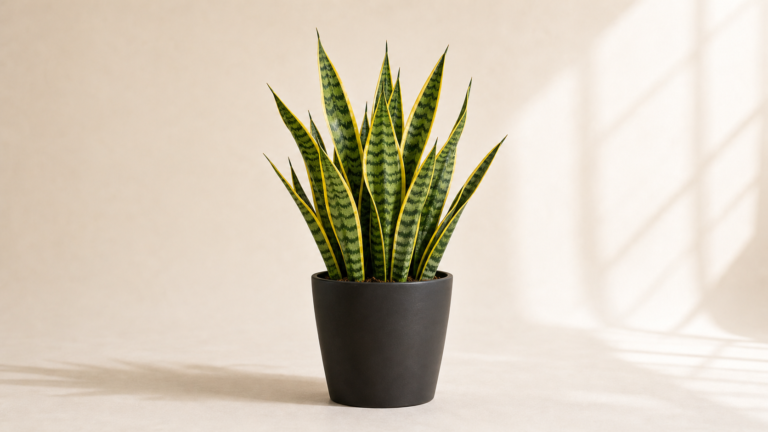
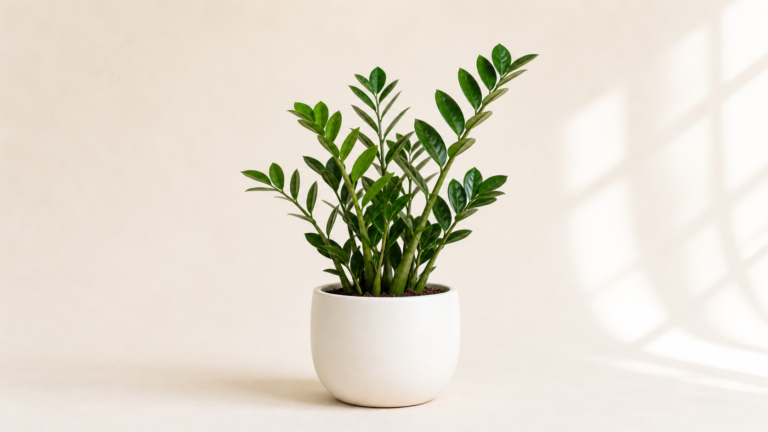
When rebuilding a smaller core collection, adaptable choices can make the routine easier. Browse the low-maintenance houseplants collection or the beginner-friendly houseplants collection to compare plants by care demand rather than novelty alone.
Rehome in Stages, Not in One Emotional Weekend
If the collection is large, work in rounds. A practical first target is a 10 to 20 percent reduction. Begin with dead plants, empty propagation vessels, unwanted duplicates, and specimens already marked for rehoming. Live with the reduced collection for two weeks, then review again.
Staging protects against regret and makes rehoming more responsible. Healthy plants can go to friends, local plant groups, community swaps, schools, offices, or independent shops that accept donations. Describe the plant honestly, including known pests, recent treatment, rooting status, and care needs. Never pass on an active infestation without clear disclosure.
Seasonal transitions are a useful decision point. The University of Minnesota Extension notes that plants returning indoors may need inspection, pruning, separation, or repotting, and that some may simply be too large for the available indoor space. Its guide to bringing houseplants inside for winter is a useful checklist before crowded plants move back near the rest of a collection.
Stop Propagation From Rebuilding the Problem
Propagation feels productive, but every successful cutting becomes another plant that needs light, water, soil, and a pot. During a downsizing period, propagate only with a destination already chosen. That destination might be replacing an oversized parent, fulfilling a promised gift, or preserving a plant that is failing at the base.
Set a hard propagation limit, such as one tray or six vessels. When the tray is full, no new cutting starts until another leaves. Discarding routine pruning material is acceptable. Not every node needs to become a plant.
The same rule should apply to purchases. Use a waiting period of at least 72 hours and answer three questions before buying: Where will it live today? What will it need at mature size? Which existing plant would leave if capacity is already full? If those answers are unclear, the collection is not ready for the addition.
Rebuild the Routine Around Zones
After downsizing, group plants by care conditions rather than appearance alone. Keep plants with similar light and drying patterns together. Place high-attention plants where you naturally see them, and keep slow-drying pots separate from plants that need more frequent checks.
A tool can provide a starting interval, but it should not replace observation. The Houseplant Watering Calculator accounts for plant, pot, light, and season, while the final decision should still come from checking the mix and the plant itself.
Create one small quarantine position for new arrivals and returning outdoor plants. Keep spare pots, labels, and treatments in one place. These changes reduce the hidden setup time that makes a moderate collection feel much larger than it is.
How to Downsize a Houseplant Collection for the Long Term
The final number matters less than whether the system remains stable. Review the collection every three months and before major seasonal moves. Remove empty pots and failed propagations promptly. Track repeated problems: if several plants are declining in the same location, the position may be wrong rather than the plants.
Most importantly, allow the collection to reflect your current life. A plant can be healthy, valuable, and beautiful while still being a poor fit for your home. Learning how to downsize a houseplant collection means choosing a sustainable relationship with the plants that remain. When every plant has a workable place and a realistic care routine, the smaller collection usually feels more complete, not less.