Houseplant Problems
How to Quarantine Houseplants Before Bringing Them Indoors
Inspect and quarantine houseplants before bringing them indoors so hidden pests are less likely to spread through the rest of your collection.

Category archive
19 guides in Houseplant Problems
View all blog guides →Inspect and quarantine houseplants before bringing them indoors so hidden pests are less likely to spread through the rest of your collection.
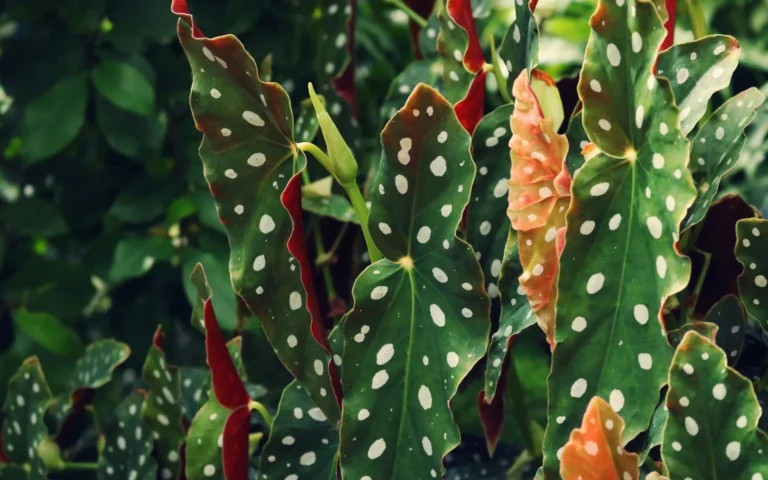
If a cat ate a begonia leaf, separate the pet from the plant, preserve identification details, and use current veterinary poison guidance before plant care.
Thrips on Monstera can cause silvery scars, black specks, and distorted new leaves. Learn how to confirm the pest, contain it, and judge recovery.
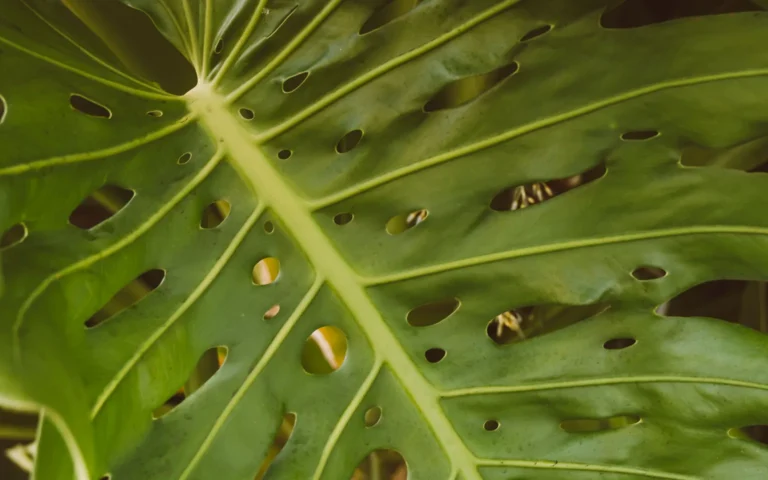
Sticky Monstera leaves can come from normal moisture, honeydew, or common houseplant pests. Learn what to check before you treat the plant.
Tiny flies around office houseplants are usually fungus gnats. Learn why they spread in shared plant areas and how to fix the moisture problem without overreacting.
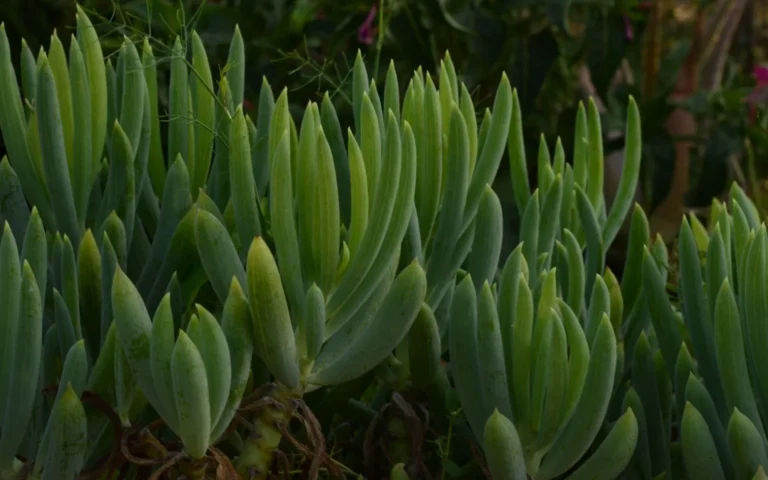
Identify succulent etiolation, improve light safely, and decide when to rotate, prune, behead, or propagate stretched growth.
White spots on your houseplant? Learn the five most common causes — powdery mildew, mealybugs, scale, mineral buildup, and edema — and how to diagnose and treat each one.
Learn why houseplant leaves turn red or purple and how to distinguish natural pigmentation from light, temperature, nutrient, or root stress.
Diagnose why a flowering houseplant will not bloom by checking light, maturity, nutrients, temperature, root stress, season, and species.
Not sure when or how to fertilize your houseplants? Learn the seasonal schedule, how to choose the right fertilizer, and how to avoid the #1 mistake: using too much.
Can't tell if your houseplant is overwatered or underwatered? Learn the key symptom differences side by side — and exactly what to do for each problem.
Is your houseplant suddenly drooping or wilting? Learn the 6 most common causes — from underwatering to repotting shock — and exactly how to fix each one.