My Cat Ate a Begonia Leaf: What to Check First
If a cat ate a begonia leaf, separate the pet from the plant, preserve identification details, and use current veterinary poison guidance before plant care.
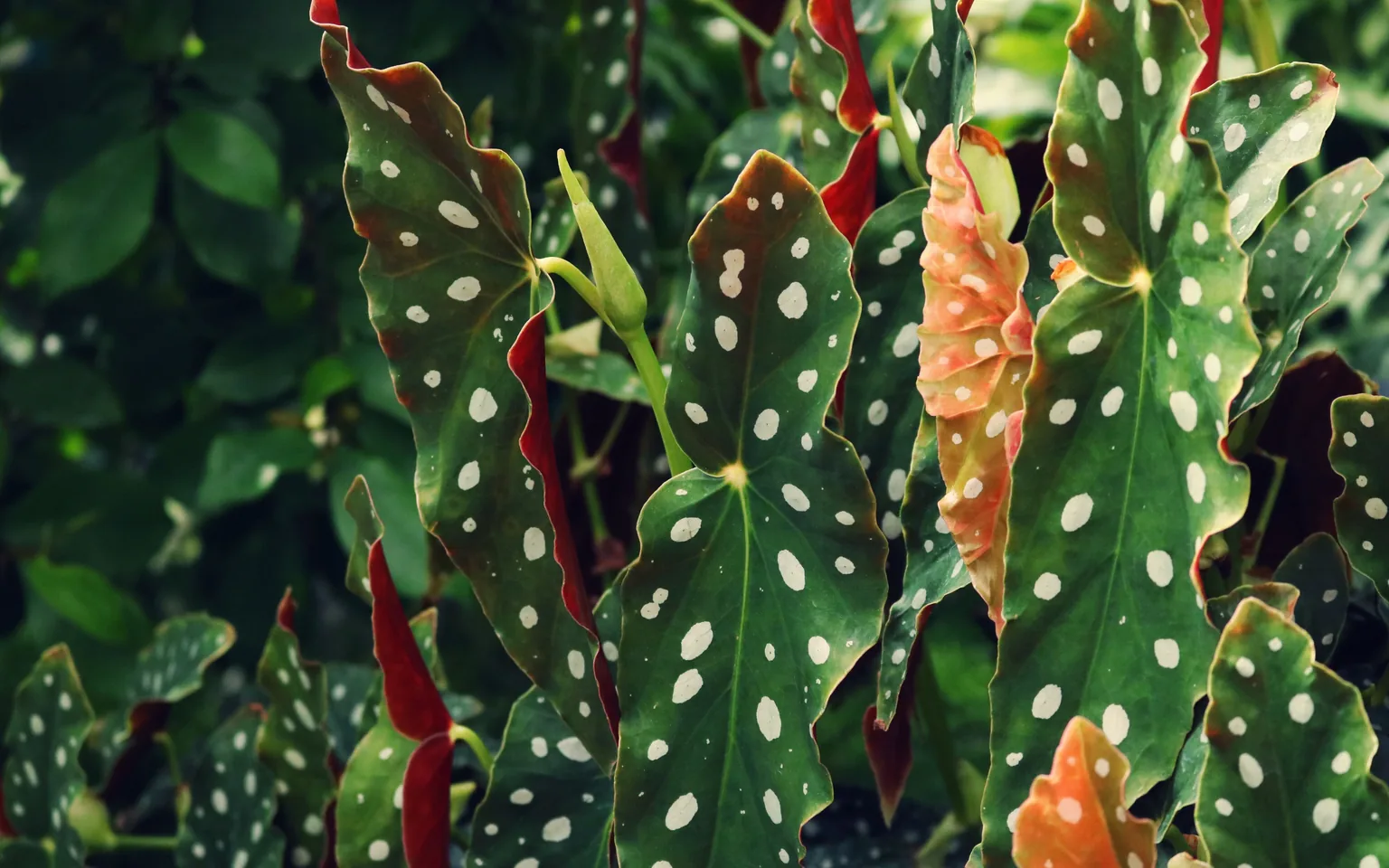
If your cat ate a begonia leaf, the plant’s missing tissue is secondary to identifying the exposure. Separate the cat from the plant, preserve the plant label and clear photos, and use current veterinary poison-control information rather than estimating risk from bite marks. This article explains the plant and prevention side; it cannot determine what an individual animal swallowed or how that animal will respond.
Questions about a cat eating Begonia appear regularly in r/houseplants searches because one incident creates two separate problems. The first is possible exposure to a toxic plant. The second is whether the damaged Begonia can recover. Keep those decisions separate and in that order.
Are Begonias Toxic to Cats?
Yes. The current ASPCA Begonia entry lists Begonia species as toxic to cats and dogs. It identifies soluble calcium oxalates as the toxic principle, lists vomiting and salivation among signs in cats and dogs, and notes that underground parts are the most toxic.
“Most toxic underground” does not mean leaves are pet-safe. It means the concentration and risk can vary by plant part. The amount involved, exact species, time since exposure, and the animal’s condition are not reliably measured from a damaged leaf.
The ASPCA page directs owners who suspect ingestion to its Poison Control Center or a local veterinarian and notes that a consultation fee may apply. Use current instructions from the linked source rather than a phone number copied into an old article or social comment.
What to Record When a Cat Ate a Begonia Leaf
Move the plant to a genuinely inaccessible location, then collect information without delaying professional guidance. Useful details include:
- the plant’s nursery label and scientific name, if available;
- clear photos of the entire plant, leaves, stems, and pot;
- the damaged leaf and any pieces found nearby;
- the approximate time the chewing may have occurred;
- the cat’s approximate weight and current behavior; and
- any visible material around the mouth or on the floor.
Do not assume that a missing section was swallowed. It may have been dropped, carried away, or partly eaten. Also do not assume that a small visible bite proves a small exposure.
Common names can mislead. Some unrelated plants include “begonia” in a common name, while the true Begonia genus contains many species and hybrids. A botanical label or detailed photos provide more useful evidence than leaf color alone.
Avoid Improvised Home Responses
Online comments may recommend inducing vomiting, giving milk or oil, rinsing the mouth by force, or using human medication. Those actions can create additional risks and do not account for the cat’s health or the material involved.
Plant-care advice cannot replace veterinary assessment. Preserve the evidence and follow the current directions supplied by the veterinary or poison-control service handling the case. Do not let the search for an exact cultivar delay the exposure assessment when the plant is already reasonably identified as a Begonia.
Prevent the Cat From Reaching the Plant Again
Once a cat has chewed a plant, assume it may return. A slightly higher shelf is not a reliable barrier for an animal that climbs. Bitter sprays and household scent deterrents are inconsistent and may add substances to leaves or nearby surfaces.
Physical separation is clearer. Use a closed room, a stable enclosed plant cabinet, or rehome the Begonia to a household where pets cannot reach it. Clean up detached leaves, flowers, stems, and spilled potting mix.
Review the rest of the collection at the same time. The pet-friendly houseplants collection provides a stronger starting point for accessible areas, while toxic plants still require secure separation. The Compare Houseplants tool can help compare care needs when replacing a plant, but pet-safety status should be checked against a current veterinary source.
Begonias Types
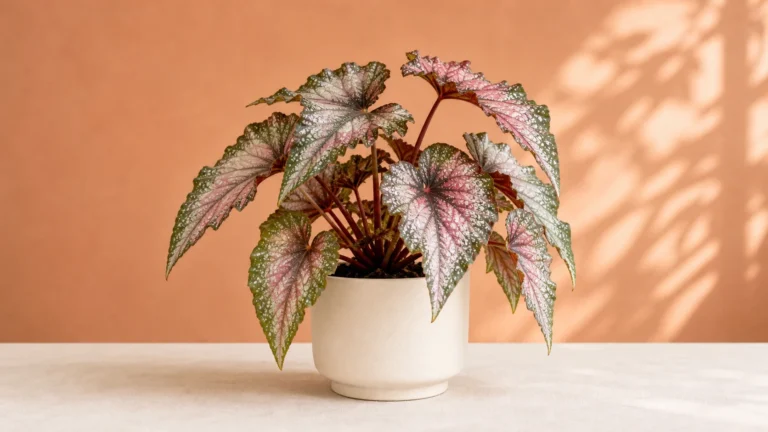
House Plant Finder includes named Begonia cultivars, but a cultivar card is not a toxicity clearance. Treat members of the true Begonia genus according to current Begonia safety guidance, even when their leaf shapes and colors differ.
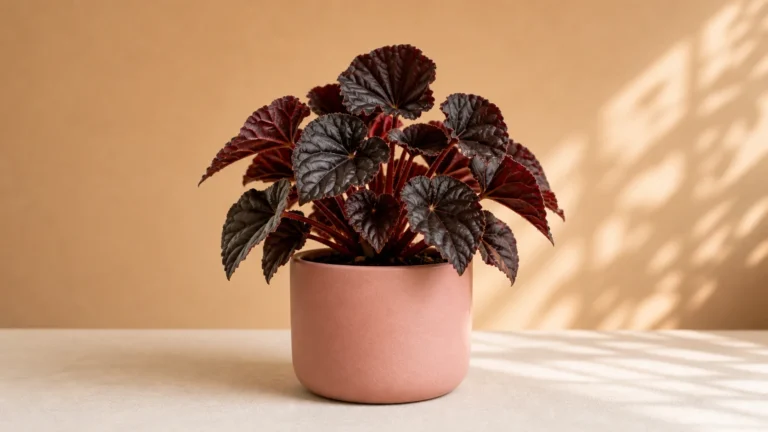
Use the cards to compare plant care and identity, not to infer the amount or severity of an animal exposure.
Should You Remove the Damaged Begonia Leaf?
After the animal-exposure question has been handled, inspect the plant. A small bite from a leaf edge will not heal, but the remaining firm green tissue can continue photosynthesis. Leave a lightly damaged leaf when it remains clean and structurally supported.
Remove the leaf when most of it is gone, the petiole is torn and hanging, or damaged tissue becomes soft and spreads. Use sanitized scissors and cut the petiole cleanly without injuring nearby stems or buds. Do not tear the leaf away by hand or apply household wound products.
Dispose of the removed tissue where the cat cannot retrieve it. Wash the tool before using it on another plant.
Help the Begonia Recover With Stable Care
A bitten Begonia rarely needs emergency fertilizer. Keep it in appropriate bright indirect light and protect sensitive foliage from harsh direct sun. Use the Houseplant Sunlight Check to assess the new secure position, since moving a plant away from a pet can also move it into much lower light.
Water according to the moisture in the potting mix and allow excess water to drain. If the plant lost substantial foliage, it may use water more slowly. The Houseplant Watering Calculator can provide a starting check interval after the move, but it should not override the condition of the mix.
Avoid frequent misting on torn tissue, especially where airflow is limited. Wait for stable new growth before resuming a strong feeding routine. If damage becomes soft or discolored, remove affected tissue with a clean tool and reassess moisture and airflow.
Choose Pet-Safe Plants for Accessible Areas
Replacing one Begonia does not make an entire home pet-safe. Check the botanical identity of every plant at floor level, on climbable furniture, or near a cat’s normal route. Keep a simple inventory with plant names and safety status.
The ASPCA’s cat plant list separates toxic and non-toxic entries, but scientific names still matter because shared common names can refer to unrelated plants. Recheck a source when adding a new species rather than relying on memory or a shop label that only says “foliage plant.”
Keep the Two Problems Separate
When a cat ate a Begonia leaf, plant identification and current poison guidance come before pruning and recovery care. Secure the collection against repeat access, record what is known, and avoid improvised treatment advice from social posts.
Once that issue is handled, the Begonia usually needs only a clean trim if the leaf is badly torn, appropriate light, and careful watering. The plant can grow another leaf. The more important long-term change is placing toxic and non-toxic plants according to how the cat actually moves through the home.