How to Quarantine Houseplants Before Bringing Them Indoors
Inspect and quarantine houseplants before bringing them indoors so hidden pests are less likely to spread through the rest of your collection.
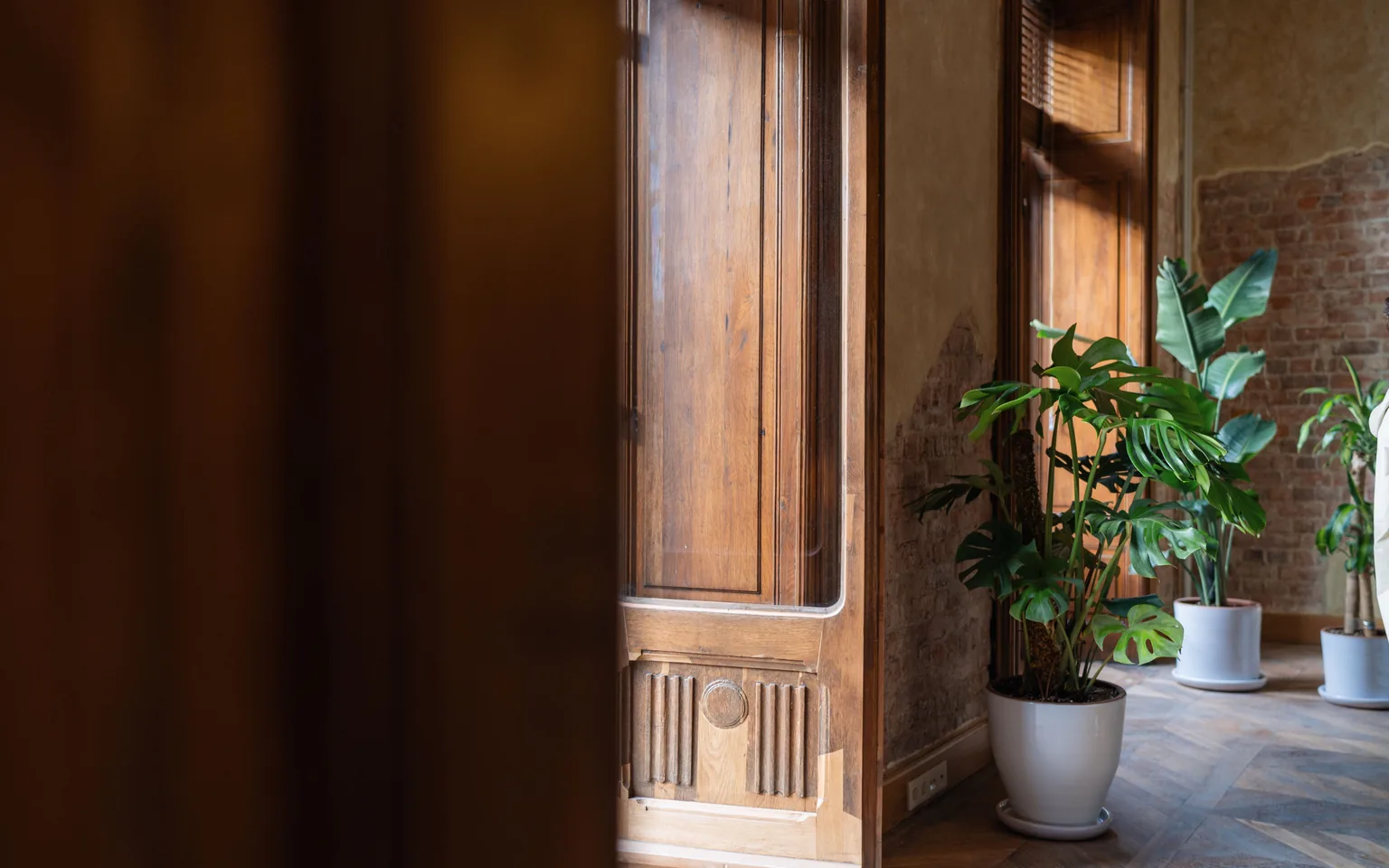
Quarantine houseplants before bringing them indoors so insects, eggs, and other hitchhikers are less likely to spread through the permanent collection. Start before cold weather forces an immediate move. Inspect leaves, stems, pots, and root balls; clean each plant; isolate it in a separate area; and keep monitoring after the move.
Seasonal searches in r/plantclinic about bringing plants inside with pests reflect a familiar sequence: a patio plant comes inside, small flies or sticky leaves appear, and nearby plants soon show matching symptoms. A planned isolation period keeps that first problem smaller.
Start Before the First Cold Night
Do not wait until temperatures suddenly fall to move the entire collection. Begin checking plants while there is time to clean them, treat confirmed problems, and reduce light gradually.
The Clemson Extension moving guide notes that temperatures around 50°F (10°C) or lower can damage many tropical plants. It recommends moving plants while indoor and outdoor temperatures remain relatively similar and checking the plant and soil for pests first.
Exact timing depends on species and local weather. Tender tropical plants may need to move before cool-tolerant plants. Use the forecast and the known temperature range of each plant rather than one calendar date.
Prepare a Real Quarantine Area
Choose the isolation space before carrying plants through the house. A bright spare room, enclosed sunroom, or separate cabinet is better than the opposite end of a crowded shelf. Leaves should not touch the permanent collection.
Use separate saucers and cleaning cloths. Wash tools between groups. Move plants in manageable batches if possible, so one overlooked infestation does not immediately expose everything.
Light still matters during quarantine. A dark garage may contain pests but can stress tropical foliage plants and keep the mix wet. Use the Houseplant Sunlight Check to find a separate position with usable light. If winter space is limited, the low-light houseplants collection can help distinguish plants that tolerate a dimmer temporary location from those that need supplemental light.
Inspect Every Part of the Plant and Pot
Work from the top down in strong light. A phone flashlight and a small magnifier make tiny insects easier to see.
Check new growth, both leaf surfaces, veins, petioles, stems, and leaf axils. Look for moving insects, eggs, fine webbing, pale stippling, silvery scars, distorted growth, cottony deposits, or fixed bumps.
Then inspect the container. Check the rim, exterior, drainage holes, saucer, and outside of the root ball. Pots that sat on soil can shelter slugs, millipedes, ants, or other organisms around drainage openings.
Common patterns include:
- cottony clusters around stems and leaf joints from mealybugs;
- tan or brown fixed bumps from scale insects;
- fine stippling and webbing from spider mites;
- clusters of aphids around tender new growth;
- silvery scars and black specks associated with thrips;
- small flies over persistently moist mix from fungus gnats; and
- sticky honeydew from sap-feeding pests such as aphids, scale, or mealybugs.
Do not identify a pest from one symptom alone. Find the insect or a consistent cluster of evidence before choosing a product.
Check Representative Plants Carefully
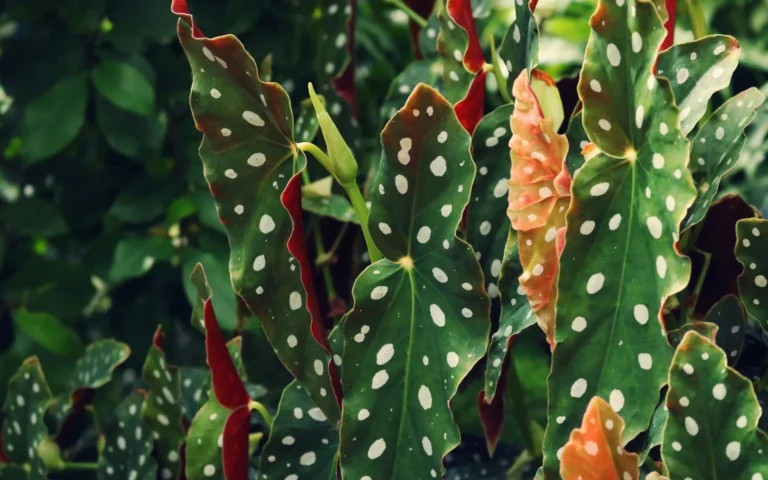
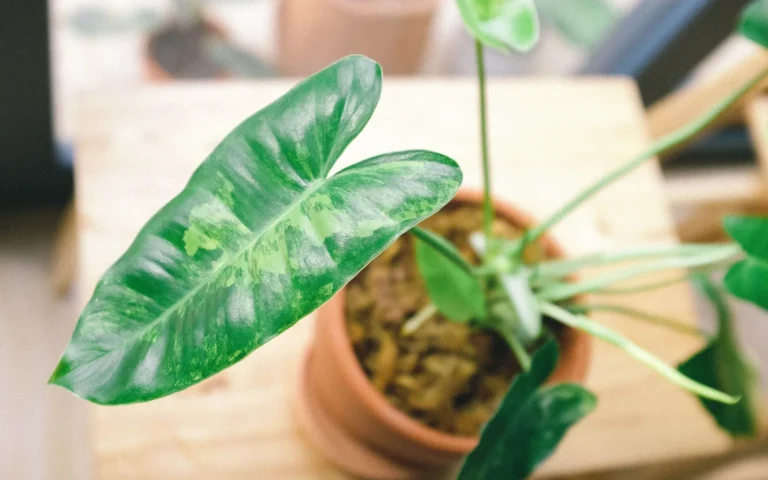
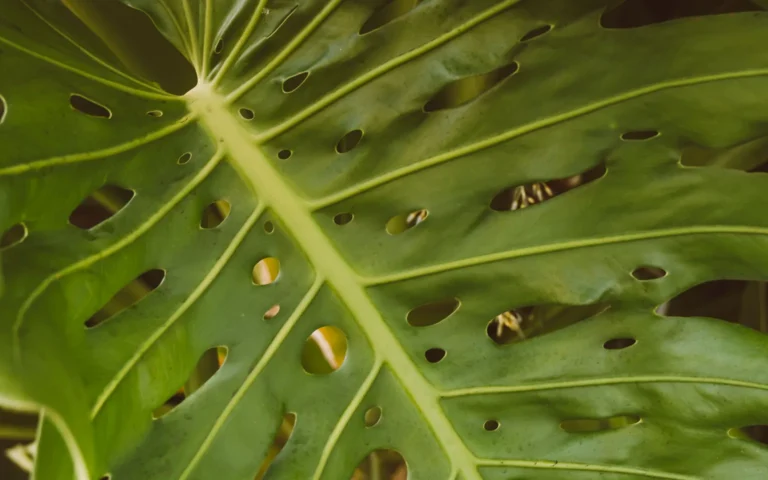
Pothos, Monstera, and Philodendron often grow in dense groups with overlapping foliage. Inspect the undersides of large leaves, rolled new growth, nodes, cataphylls, and every point where stems touch a support.
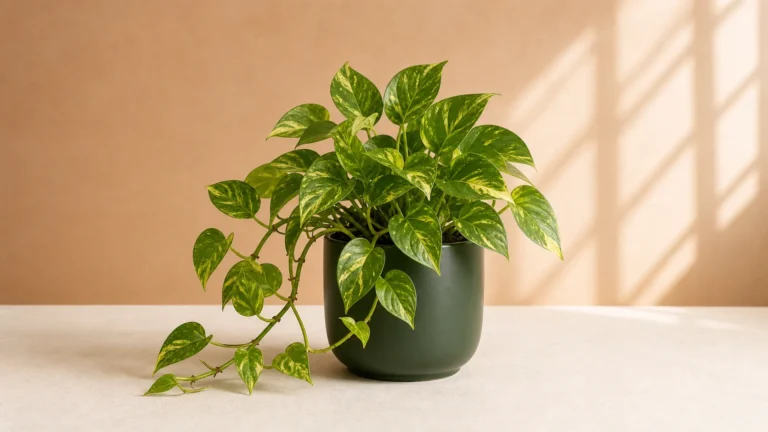
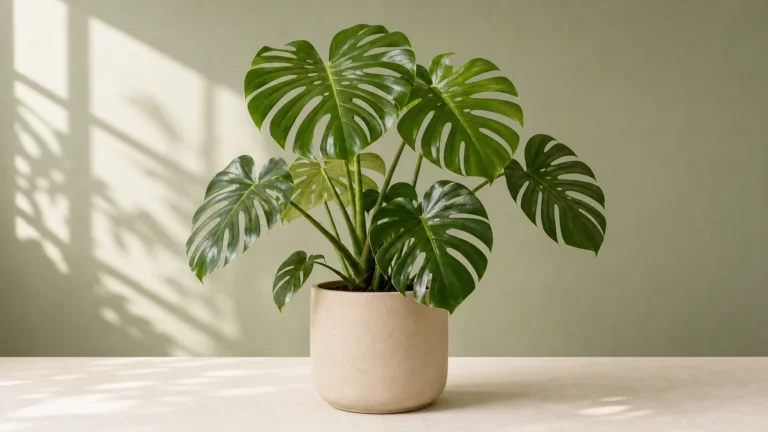
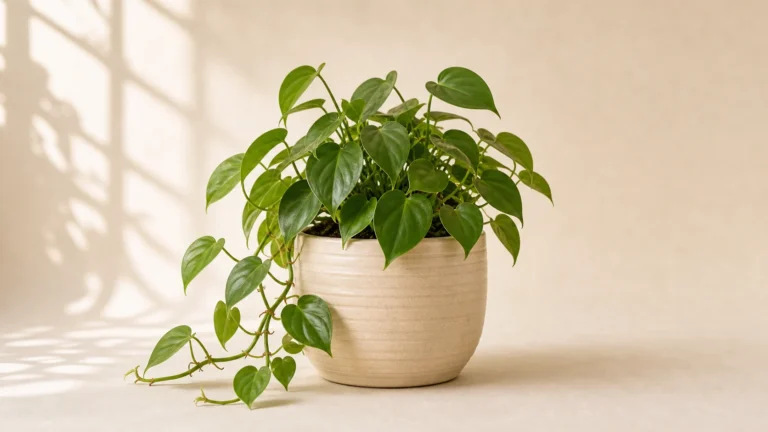
These cards represent common indoor plants, but quarantine applies to the entire returning collection. Succulents, palms, herbs, and flowering plants can carry their own pests and should not bypass inspection.
Clean First, Then Treat Confirmed Problems
Remove fallen leaves, spent flowers, weeds, and loose debris from the soil surface. Wipe smooth leaves with a damp cloth or gently rinse plants that tolerate washing. Pay attention to leaf undersides and let the container drain.
Cleaning removes dust and some active pests, but it does not prove that hidden insects or eggs are gone. Continue inspecting throughout quarantine.
If you find a pest, identify it before selecting treatment. Physical removal and pruning a few heavily affected parts may be enough for a minor problem. When a pesticide is needed, use a product whose label includes the pest, plant, and application location. Follow the label for concentration, interval, protective equipment, and indoor or outdoor use.
Do not substitute household dish detergent for a labeled insecticidal soap. Cleaning detergents vary in ingredients and concentration and can injure foliage.
The UC IPM houseplant problem guide provides symptom and management information for common indoor pests. Use it to narrow the identification, then follow the selected product's current label.
How Long to Quarantine Houseplants Before Bringing Them Indoors
Inspect each plant whenever you check moisture. Look under leaves, around the newest growth, and across the soil surface. Yellow or blue sticky cards can monitor some flying adults, including fungus gnats, whiteflies, winged aphids, and thrips, but they do not replace direct inspection.
Record the date each plant entered isolation, symptoms observed, and treatment used. If a pest appears, extend the quarantine and restart the monitoring period after treatment. One apparently clean day is not enough evidence that every life stage is gone.
Recommendations for duration vary. The University of Minnesota indoor insect guide advises isolating newly acquired plants for one to two weeks, while the Clemson houseplant pest guide recommends six weeks. Use the longer period when an active infestation was found, treatment is ongoing, or the permanent collection is difficult to protect.
Do Not Repot Every Returning Plant
Routine repotting adds root stress while the plant is already adjusting to lower light, weaker airflow, and a different watering pattern. Repot when the mix is degraded or waterlogged, the plant is clearly root-bound, or a serious root-ball pest requires access.
If repotting is necessary, use a clean container and commercial potting mix suited to the plant. Do not bring garden soil indoors for container plants. If roots and mix are healthy, cleaning the pot and monitoring may be sufficient.
Adjust Watering and Light After the Move
Outdoor plants often receive brighter light, wind, and higher evaporation. Their mix may dry much more slowly indoors. Continuing the summer schedule can keep roots wet and encourage fungus gnats.
The Houseplant Watering Calculator can provide a seasonal starting interval after the move. Confirm by checking the mix and pot weight rather than watering every plant in the batch on the same day.
Place plants in the brightest suitable indoor positions and reduce outdoor light gradually when possible. Some yellowing or leaf drop can follow the transition, but do not label every symptom as normal acclimation. Continue pest inspections while adjusting light and moisture.
A Repeatable Bring-In Workflow
- Check the forecast and species temperature limits.
- Prepare a separate, usable-light quarantine area.
- Inspect leaves, stems, pots, drainage holes, and root-ball exteriors.
- Remove debris and clean suitable foliage.
- Identify and treat confirmed pests according to labels.
- Record each plant and monitor it through the quarantine period.
- Adjust watering and light for indoor conditions.
- Move only clear plants into the permanent collection.
Taking time to quarantine houseplants before bringing them indoors is easier than treating an interconnected shelf after pests spread. The process is most effective when it combines physical separation, repeated inspection, and care adjustments rather than relying on one preventive spray.