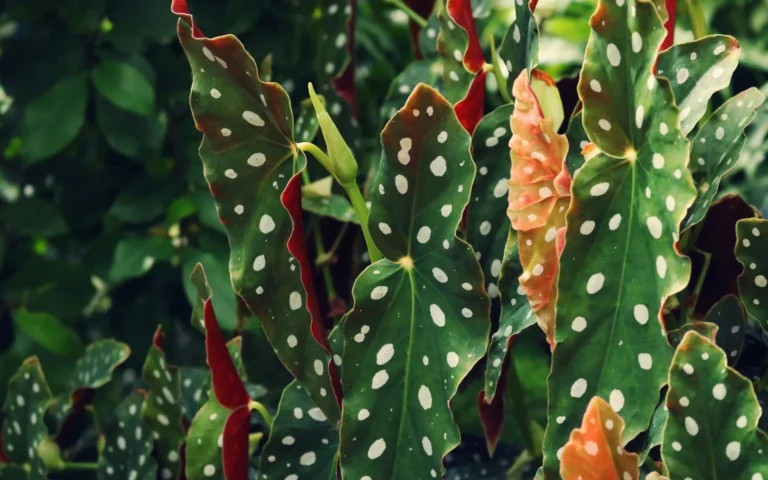
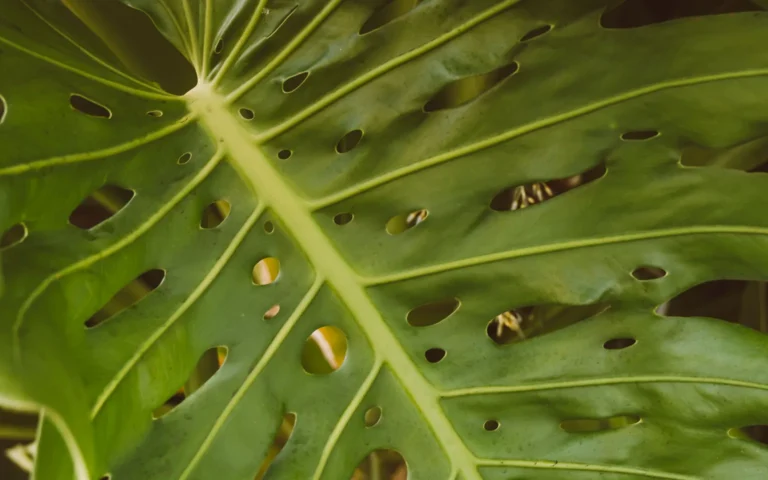
What Are the Veins on a Leaf Called? (Leaf Venation Explained)
The veins on a leaf are called the midrib (the central vein) and lateral veins, and the whole pattern is called venation. Here's what leaf veins do, the two main patterns, and what green veins on a yellowing leaf mean.
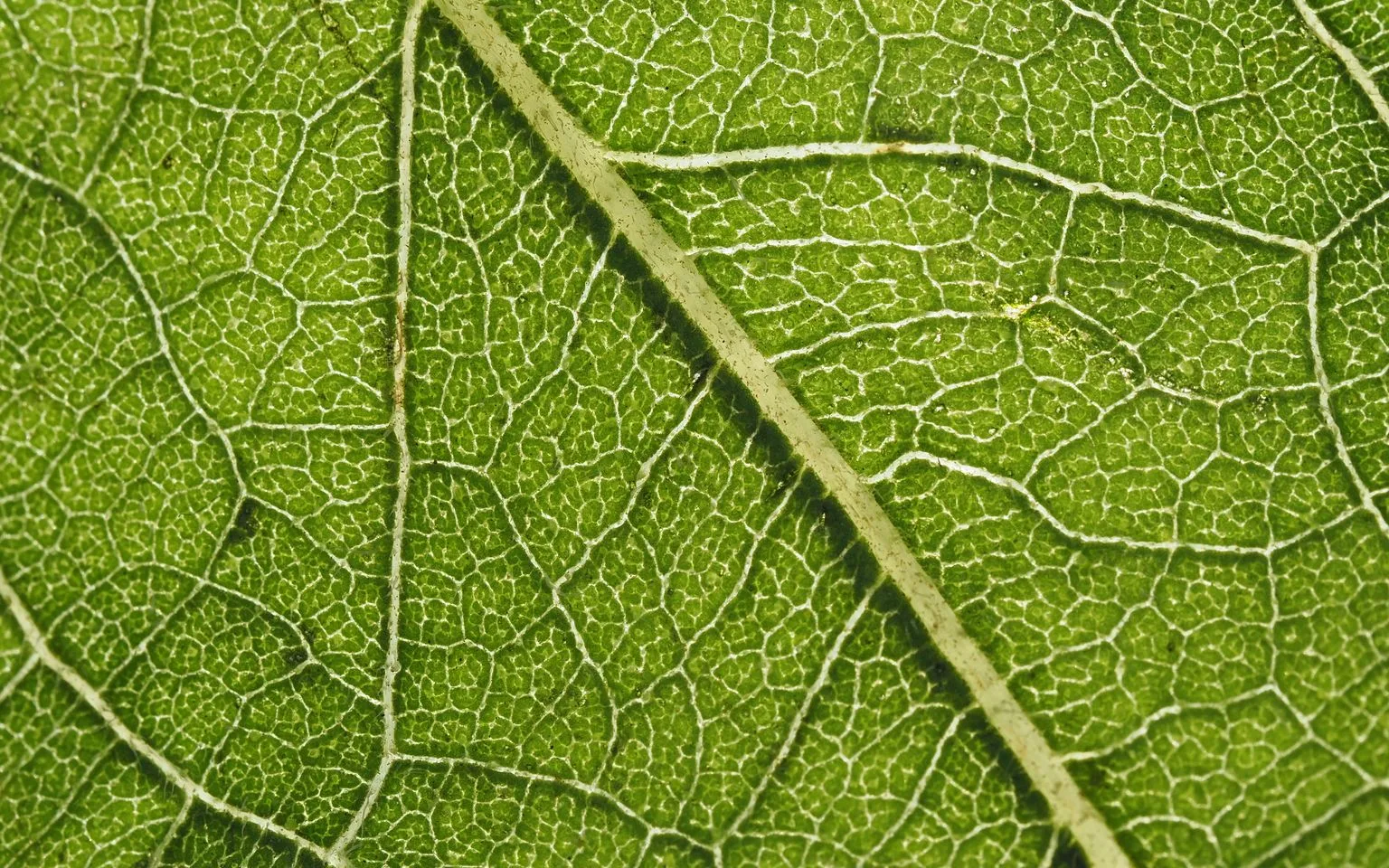
The central vein running down the middle of a leaf is the midrib (or midvein). The smaller veins branching off it are lateral veins, and the overall pattern of veins across the leaf is called venation. Leaf veins are the plant's plumbing: they carry water and dissolved nutrients up from the roots, and they carry the sugars made in the leaf out to the rest of the plant. They also brace the leaf, which is why a leaf holds its shape instead of folding flat under its own weight.
The Two Big Venation Patterns
Almost every leaf you will ever hold follows one of two vein layouts, and the pattern is consistent enough that botanists use it to identify plants:
Reticulate (netted) venation. A midrib runs through the leaf, lateral veins branch off it, and the smaller veins connect into a web. If you hold a leaf up to the light, you see a network, like the mesh of a sieve. This is the pattern of most broad-leaved plants — including nearly every popular houseplant that is not a grass relative.
Parallel venation. The veins run side by side from the base to the tip of the leaf, joined by tiny cross-veins. Hold a leaf up to the light and you see railroad tracks rather than a net. This is the signature of monocots — the plant family that includes grasses, lilies, and orchids.
There are variations on both themes — palmately veined leaves, like a maple's, send several main veins out from one point at the leaf base, and some ferns branch dichotomously, splitting into two equal veins at each fork. But the midrib-and-web versus parallel-track distinction covers the plants most people keep at home.
What Leaf Veins Actually Do
Three jobs, all visible in the structure:
- Transport water. The veins are vascular bundles — tubes that pull water and dissolved minerals up from the stem into every corner of the leaf blade. The midrib is the main pipeline; the lateral veins are the distribution network.
- Export sugar. The same bundles carry photosynthates — the sugars the leaf makes during the day — back out to the stem, roots, flowers, and new growth. The leaf feeds the plant, and the veins are the delivery route.
- Structural support. The midrib and larger veins act like the ribs of an umbrella, stiffening the blade so it catches light without drooping. Leaves that look "soft" — like many ferns — have thinner, less pronounced veins.
These functions are covered in more depth in the botany textbook material on leaf structure/04:_Leaves/4.01:_Leaf_structure), which includes the same three venation classes described above — pinnate, parallel, and palmate — illustrated with leaf examples.
Spot the Pattern: Houseplants Side by Side
Once you know the two patterns, you will start seeing them everywhere on your plant shelf:
| Plant | Venation | How to see it |
|---|---|---|
| Monstera / Swiss cheese plant | Reticulate (pinnate) | The midrib is prominent; lateral veins run out to the leaf edge like fish bones |
| Pothos | Reticulate (pinnate) | Same fish-bone layout on a smaller scale, easy to see on the silver-striped varieties |
| Fiddle-leaf fig | Reticulate (palmate) | Several strong veins fan out from the leaf base |
| Snake plant | Parallel | Vertical veins run the full length of each leaf; hold it to the light and they show as fine lines |
| Spider plant | Parallel | Long, narrow leaves with parallel veins running base to tip |
| Orchids | Parallel | The classic monocot pattern, often visible even without backlighting |
The quick test for any leaf: hold it up to a window or lamp. A web means reticulate; railroad tracks mean parallel.
When Veins Stay Green but the Leaf Yellows
The most useful thing leaf veins tell you — beyond plant ID — is what is going wrong when they change color. A specific pattern matters: the blade turns yellow while the veins stay green, in a kind of mottled or striped effect. That pattern is the signature of a micronutrient shortage, most often iron or magnesium, because these nutrients are used in chlorophyll production and move slowly within the leaf.
Iron deficiency shows first on the youngest leaves (the newest growth yellows between green veins), while magnesium deficiency shows first on the oldest leaves. Both are fixable with the right fertilizer, but the distinction matters — check our guide to yellowing houseplant leaves for the full breakdown of yellowing causes, and our fertilizer guide for how to correct micronutrient gaps without overfeeding. If the entire leaf yellows evenly, veins included, the cause is more likely water, light, or age — not a nutrient problem.
Still unsure what your plant's leaves are telling you? Take the House Plant Finder quiz to match your space with plants whose care requirements fit the light and time you actually have.