Monstera New Leaf Care: Fenestration, Light, and Support
Monstera new leaf care is about more than waiting for a leaf to unfurl. Learn how light, maturity, support, watering, and repotting affect new growth.
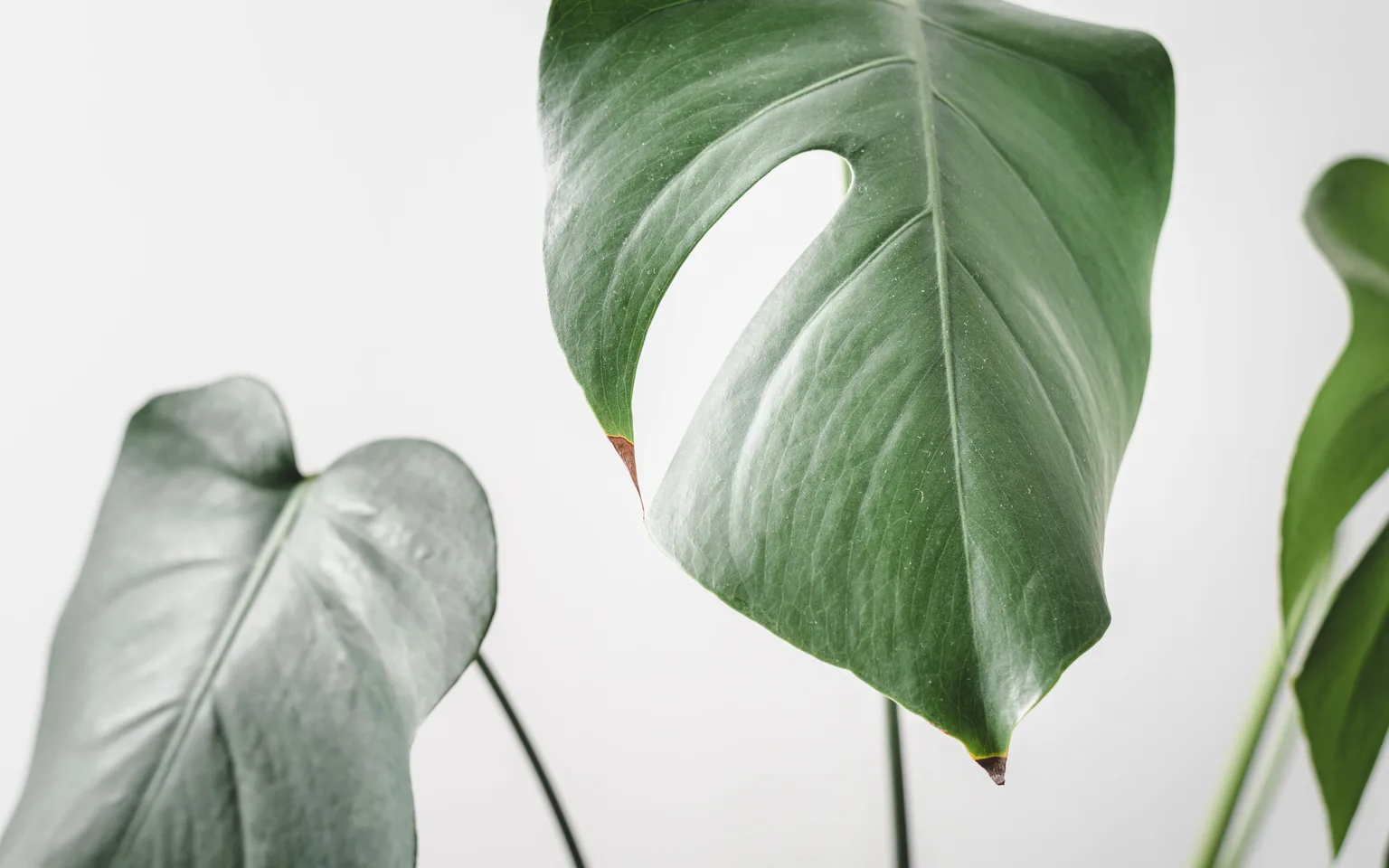
Monstera new leaf care starts before the leaf fully opens. A new leaf can tell you whether the plant has enough light, whether the stem is supported, whether the roots have room, and whether the plant is mature enough to produce deeper fenestration. The goal is not to force one leaf to split. The goal is to understand what the new growth is saying.
Recent public posts in `r/Monstera`, including Monstera new leaf, a 4.5-month progress comparison, a large mature specimen, and excitement over double fenestrations show why new leaves get so much attention. Each new leaf feels like a progress report.
Here is how to read that progress report without overreacting.
Monstera New Leaf Care Begins With Maturity
Young Monstera deliciosa plants often produce simple, heart-shaped leaves before they produce deeply split leaves. That is normal. A juvenile plant may be healthy even if its newest leaves do not have fenestrations yet.
Fenestration depends on several factors working together:
- Plant maturity
- Bright indirect light
- Strong root health
- Enough nutrients during active growth
- A stable watering routine
- Vertical support as the plant becomes larger
No single trick guarantees split leaves. If a new leaf is larger than the previous leaf, has a stronger petiole, and opens without damage, the plant may be moving in the right direction even if the fenestration is still modest.
Why a Monstera New Leaf Has No Splits
A Monstera new leaf may have no splits for several reasons. The most common are age and light. If the plant is still young, it may not be ready. If the plant is older but growing in weak light, it may not have enough energy to support larger leaves.
Other causes include:
| What You Notice | Likely Reason | What to Check |
|---|---|---|
| New leaves are small and plain | Low light or juvenile growth | Window distance, growth history |
| Long gaps between leaves | Stretching toward light | Direction of growth and stem length |
| Leaf opens torn or stuck | Dry air, handling, or mechanical damage | Humidity, airflow, and whether it was touched |
| New leaves are smaller than older leaves | Root stress, low light, or inconsistent care | Soil moisture, roots, and fertilizing |
| Plant leans or sprawls | Lack of support | Moss pole, plank, or trellis |
The useful question is not only "Why are there no splits?" It is "Is the plant becoming stronger from leaf to leaf?"
Give It Bright Indirect Light
Light has a direct effect on Monstera new leaf care. In weak light, a Monstera may keep growing, but the growth is often thinner, smaller, and less mature-looking. In harsh direct sun, leaves can scorch, especially if the plant was previously grown in lower light.
Place the plant where it receives bright indirect light for much of the day. An east-facing window, a spot a few feet from a bright south or west window, or a good grow light can work. If you move the plant to a brighter location, do it gradually so older leaves do not burn.
Our guide to how much light houseplants need explains the difference between low light, bright indirect light, and direct sun. For Monstera, the sweet spot is usually bright but filtered.
Support the Stem Before It Gets Too Heavy
Monstera is a climbing aroid. As it matures, it naturally wants to attach and grow upward. Without support, the stem may lean, twist, or sprawl. That does not always harm the plant immediately, but it can make mature growth harder to manage.
A moss pole, wood plank, trellis, or sturdy stake gives the plant a direction. Support is especially helpful when the plant starts producing larger leaves. The goal is to hold the main stem close to the support while the plant continues to grow upward.
Aerial roots are part of this growth habit. They are not a disease, and they do not need to be removed just because they look untidy. If they are healthy, you can guide them toward a support or leave them alone. Cutting every aerial root is unnecessary and can make the plant harder to train.
The plant profile for Monstera deliciosa maintained by North Carolina State's Extension plant database is a useful botanical reference for its climbing habit and indoor use.
Do Not Peel Open a New Leaf
A Monstera new leaf should open on its own. It can be tempting to help when the leaf is curled, wrinkled, or slow to unfurl, but pulling it open can tear soft tissue before the leaf has hardened.
If new leaves repeatedly stick or tear, look for underlying causes:
- Very dry air
- Sudden changes in watering
- Low root moisture followed by heavy watering
- Physical contact with a wall, pole, or nearby furniture
- Pests hiding in new growth
Do not solve this by keeping the leaf wet all day. Occasional moisture is different from constant wetness. A steadier routine is better: consistent watering, bright indirect light, moderate humidity, and enough space for the leaf to open.
Water for Steady Growth
Watering affects new leaves because the plant needs consistent root function to expand soft tissue. Let the top few inches of potting mix dry, then water thoroughly until excess water drains out. Do not leave the pot sitting in water.
Too-dry soil can cause limp growth and stalled leaves. Constantly wet soil can damage roots and lead to yellowing, rot, and weaker growth. If you are unsure which problem you have, compare the plant with our guide to overwatered or underwatered houseplants.
For a mature Monstera in active growth, the watering interval may shorten in warm months and lengthen in winter. The pot size, soil mix, light level, and room temperature matter more than the calendar.
Repot Only When the Roots Need It
New leaves alone do not mean the plant needs a larger pot. A Monstera may produce several leaves while still having enough root space. Repot when there is evidence the root system needs it.
Good reasons to repot include:
- Roots circling tightly around the pot
- Roots growing heavily from drainage holes
- Soil drying extremely fast because the pot is root-filled
- The plant becoming top-heavy and unstable
- Old potting mix breaking down and holding water too long
Move up only one pot size. A very large pot can hold too much wet mix around the roots, especially indoors. Use a chunky, well-draining mix and a pot with drainage holes.
If root health is already questionable, solve that first. Repotting a stressed plant into a much larger pot can make the problem worse.
When a New Leaf Signals a Problem
One imperfect leaf is not a disaster. Leaves can tear, wrinkle, or open unevenly because of mechanical damage, a dry week, or a small environmental change. Watch the pattern.
Take action if you see:
- Several new leaves getting smaller
- Repeated tearing before leaves open
- Sticky residue or pests in new growth
- Yellowing plus wet soil
- Black or mushy stem sections
- A plant that keeps leaning despite support
If the issue is sticky residue or pest signs, the inspection process in our sticky Monstera leaves guide is a better fit than a general new-leaf routine.
Summary
Monstera new leaf care is about reading the whole plant. Fenestration depends on maturity, light, support, roots, and steady care. A young plant with plain leaves may be normal. An older plant with smaller, stretched leaves probably needs better light or support.
Give the plant bright indirect light, train the stem before it sprawls, avoid peeling open new leaves, water by soil condition, and repot only when the roots justify it. A healthy Monstera does not need forced growth. It needs conditions that let each new leaf become stronger than the last.