Sticky Monstera Leaves: Is It Sap, Honeydew, or Pests?
Sticky Monstera leaves can come from normal moisture, honeydew, or common houseplant pests. Learn what to check before you treat the plant.
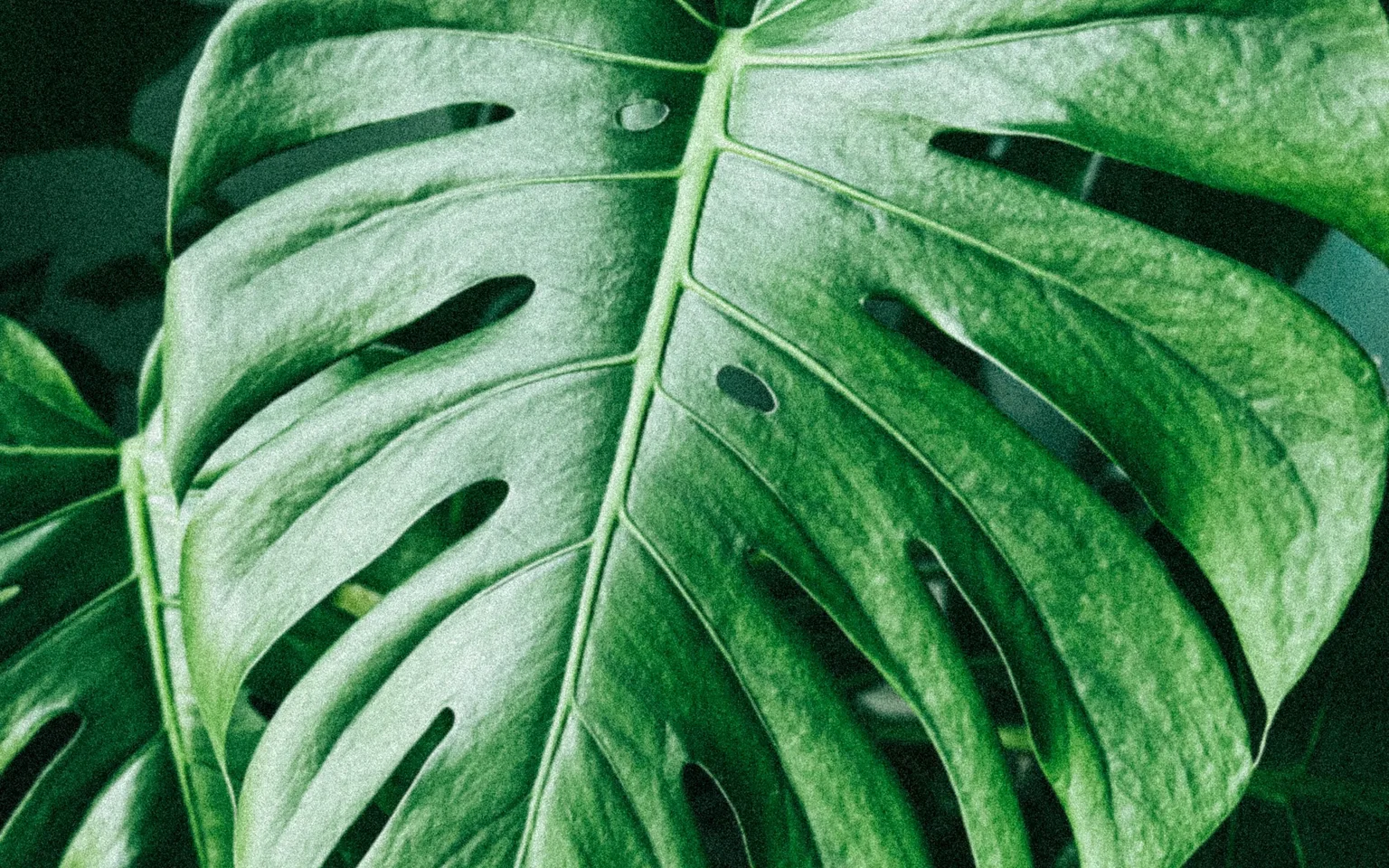
Sticky Monstera leaves are easy to misread. A healthy-looking plant can suddenly have shiny spots on the leaves, tacky residue on the petioles, or sticky marks on the table under the pot. A recent public Reddit discussion asking about things found in a Monstera reflects a common houseplant problem: the symptom is visible, but the cause is not obvious at first glance.
The sticky residue might be harmless moisture that dried on the leaf. It might also be honeydew, a sugary substance linked to sap-feeding pests such as scale insects, mealybugs, aphids, or whiteflies. The best response is to inspect before you treat.
Here is how to work through sticky Monstera leaves without guessing.
First, Notice Where the Sticky Spots Are
Start by looking at the location of the residue. Sticky drops near leaf tips or leaf edges may come from guttation, especially if the plant was recently watered, the soil is moist, and the room stayed humid overnight. Guttation happens when a plant pushes moisture out through specialized leaf edges or tips. It can dry into clear, slightly sticky marks.
Sticky residue across the leaf surface, along the midrib, on petioles, around nodes, or on the table below the plant is more suspicious. That pattern can point toward honeydew.
The University of Minnesota Extension guide to managing insects on indoor plants describes honeydew as a shiny, sticky substance made by aphids, mealybugs, and scale insects. It can show up on leaves and on nearby surfaces under the plant.
Check the Leaf Undersides and Stems
A Monstera can hide pests well because the plant has large leaves, long petioles, deep veins, aerial roots, and tight spots around new growth. Do not inspect only the top of the leaves. Turn each leaf over and check:
- The underside of the leaf
- The main veins and midrib
- The point where each leaf joins the petiole
- New unfurling leaves
- Nodes and aerial roots
- The rim and underside of the pot
Use a phone flashlight or magnifying lens if you have one. Many early pest problems are small enough to miss in normal room light.
What Sticky Monstera Leaves Can Mean
Sticky leaves are a clue, not a diagnosis. These are the most likely causes.
| What You See | Possible Cause | What It Means |
|---|---|---|
| Clear drops near leaf tips after watering | Guttation | Usually not a pest issue by itself |
| Sticky film on leaves or furniture | Honeydew | Check carefully for sap-feeding pests |
| Brown or tan bumps on stems and veins | Scale insects | Often attached tightly to the plant |
| White cottony clusters at nodes | Mealybugs | Often hide where leaves meet stems |
| Fine webbing and speckled leaves | Spider mites | More common with dry air and stressed plants |
| Black dusty coating on sticky areas | Sooty mold | Often grows on honeydew residue |
Scale insects are especially easy to mistake for part of the plant. Soft scale can produce honeydew, while armored scale does not always create the same sticky signal. Either way, bumps that do not wipe off like dust deserve closer attention.
How to Clean and Inspect Safely
Move the Monstera away from nearby plants before cleaning it. Sticky residue alone does not prove an infestation, but isolation prevents a possible pest problem from spreading while you inspect.
Wipe several leaves with a damp cloth. Change the cloth or rinse it often so you are not moving pests from one leaf to another. For a large Monstera, work leaf by leaf instead of trying to clean the whole plant quickly.
If you see pests, physically remove what you can. The University of Minnesota Extension recommends nonchemical methods such as washing leaves, physically removing pests, pruning isolated infestations, and using indoor-plant pesticides only when needed and according to the product label.
When to Treat for Pests
Treat the plant if you see insects, repeated sticky residue, honeydew under the plant, yellowing leaves, distorted new growth, or pest signs on more than one leaf.
A practical first response is:
- Isolate the plant.
- Wash or wipe the leaves, especially the undersides.
- Remove visible scale or mealybugs by hand where possible.
- Prune the worst leaves only if the infestation is concentrated there.
- Use an indoor-plant insecticidal soap or horticultural oil if needed, following the label.
- Repeat inspections weekly because many pests need more than one treatment cycle.
Do not spray random household cleaners, dish soap mixtures, or alcohol over the whole plant without caution. Monstera leaves can be damaged by harsh or overly concentrated products.
When It Might Not Be Pests
If the sticky marks appear only once, mostly near the leaf edge, and the plant looks healthy, watch before escalating. Adjusting the care routine may be enough.
Check whether the soil is staying too wet. Overwatering does not directly create honeydew, but a stressed plant is more vulnerable to pest problems. Good care reduces pest pressure. The same Extension guide notes that struggling plants in poor light, overly wet or dry soil, or poor temperatures are less able to tolerate pests.
For Monstera, aim for bright indirect light, a pot with drainage, and watering only after the top part of the potting mix has started to dry. If the plant is in a cachepot, empty any standing water after watering.
Do Other Plants Get Sticky Leaves Too?
Yes. This problem is not limited to Monstera. Pothos, philodendrons, ficus, hoyas, citrus, orchids, and many other indoor plants can show sticky leaves when pests produce honeydew. A related Reddit discussion about sticky Pothos residue shows how similar the question can look on a different plant.
The inspection process is mostly the same: look at the residue pattern, check the undersides of leaves, search for pests at nodes and stems, then clean and isolate before deciding on treatment.
A Pet Safety Note
Monstera deliciosa is not a pet-safe plant. ASPCA lists Monstera deliciosa as toxic to cats and dogs. If you are wiping leaves, pruning damaged growth, or treating pests, keep the plant and any discarded leaves away from pets.
This matters because sticky residue can draw extra attention. A curious pet may lick a leaf, chew a cut piece, or investigate the plant while it is temporarily moved for cleaning.
Summary
Sticky Monstera leaves are not always an emergency, but they are worth checking carefully. If the residue is limited to a few clear drops after watering, it may be normal moisture. If it appears on leaves, stems, furniture, or multiple parts of the plant, inspect for honeydew and sap-feeding pests.
The safest approach is simple: isolate, inspect, wipe, identify, and then treat only if the evidence points to pests. Guessing usually wastes time. A careful inspection tells you what the plant actually needs.