How to Water a Moss Pole Without Overwatering
Learn how to water a moss pole, when to use plain water or diluted fertilizer, and how to avoid overwatering the pot and fertilizer salt buildup.
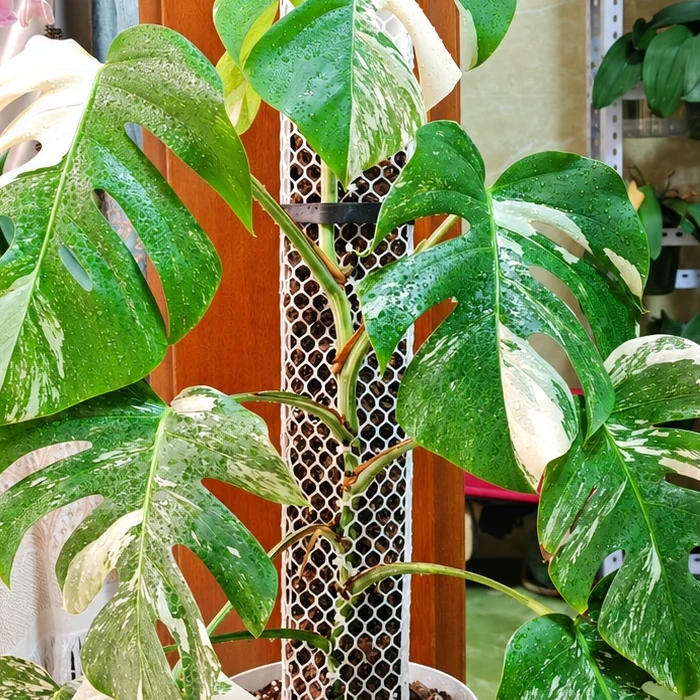
How to water a moss pole is mostly a question of observation, not a fixed schedule. A moss pole does not need to stay dripping wet, and watering the pole is not the same as watering the pot. When climbing aroids like Monstera and Heartleaf Philodendron grow aerial roots into a sphagnum pole, that column becomes a second root zone with its own moisture needs, which change with room temperature, humidity, airflow, pole diameter, and how many roots have actually entered it.
The discussion has moved past whether to use a pole at all. In a recent r/Monstera post about a Monstera that had completely filled its pole, owners were asking whether they could feed the pole with nutrients. That question only makes sense once you treat the pole as root zone management rather than a decorative support.
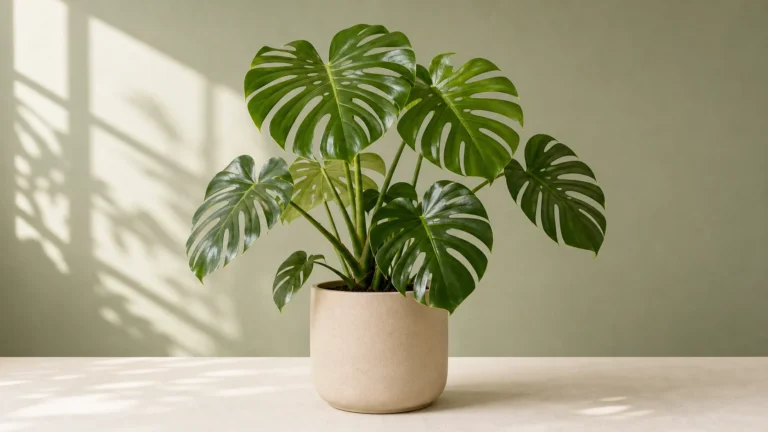
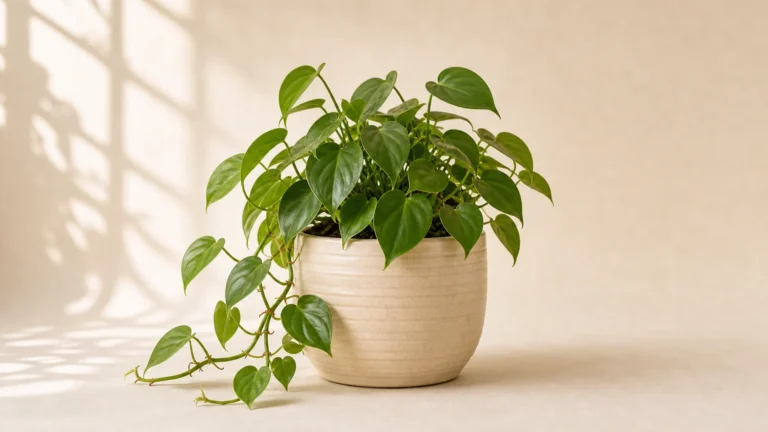
How to Tell When a Moss Pole Needs Water
Check the pole itself, not the calendar. Part of learning how to water a moss pole is knowing which signals to trust first, and the pole's own appearance beats any interval you wrote down. These signs point to a dry pole:
- sphagnum moss has turned noticeably lighter in color and feels dry or crunchy to the touch;
- the pole is much lighter than it was right after watering;
- the substrate around active root tips that have entered the pole feels dry;
- the top is dry but the bottom is still damp, which calls for wetting only the upper section rather than flooding the whole column; or
- the pole smells musty, grows algae, or drips constantly, which is a signal to water less often and improve airflow.
Top reservoirs, slow pouring, and removable wicks all deliver water differently. Any of them can work if the result is even moisture without a steady stream into the potting mix. The aim is to wet the sphagnum and let the pole drain, not to create a pipe that channels every refill into the pot below.
The Pole and the Pot Are Two Moisture Zones
This is the mechanism that prevents most moss pole problems. Roots inside the pole may appreciate relatively stable moisture, while roots in the pot still need air and a reasonable dry-down between waterings. If every dry pole triggers a full watering that pours through the column and into the container, the potting mix can stay wet for too long, especially in low-light months when the whole plant uses less water.
Keep the two zones separate in your routine. Check the potting mix below the surface before watering the pot, and check the pole independently before wetting the column. The Houseplant Watering Calculator estimates the pot root zone based on plant, pot, light, and season, but it does not set the pole's schedule — the pole has its own moisture cycle. When light drops, both zones slow down, so the Houseplant Sunlight Check is a useful reference before you decide whether the pole really needs more water.
Can You Fertilize Through a Moss Pole?
Yes, conditionally — and it is not a default action. When a substantial number of aerial roots have grown into the pole, a very dilute nutrient solution at the lower end of the product label's range can reach those roots. What you should not do is run high-strength hydroponic nutrients continuously because a community post showed impressive growth.
Fertilizer salts accumulate where they are repeatedly applied. The University of Maryland Extension guide to mineral and fertilizer salt deposits explains that salts can form white crusts, interfere with water uptake, and damage plant tissue. Practical rules for pole feeding:
- with no roots in the pole, use plain water and treat the pole as a support, not a second feeding point;
- with active roots in the pole, start at a low concentration and stay inside the label's permitted range;
- flush a removable pole periodically with plain water so salts do not build up over months;
- if you see white crystals, dry root tips, or burned leaf tips, stop pole feeding and review the plant's total fertilizer intake; and
- do not run a full dose in both the pot and the pole at the same time.
Does a Moss Pole Have to Stay Constantly Wet?
No. A pole that dries out completely gives live roots less reason to grow into the sphagnum, but a pole that never dries creates its own problems: musty odor, algae, fungus gnats, and water draining into the pot. The right state is between those extremes — damp enough to invite roots, dry enough to stay aerobic.
A true sphagnum pole holds moisture and is worth managing as a root zone. A coir pole or a flat plank is mostly mechanical support; keeping it wet serves little purpose, so it can simply stay dry and sturdy. Before you chase "moist moss," decide which kind of structure you actually have. And do not assume that a wet pole is required for large leaves: mature leaf size comes from light, genetics, root health, and stable support, not from the pole alone. The question of how to water a moss pole only becomes urgent once active roots are actually inside the column; until then, the pole is a support with modest moisture needs.
For climbing aroids that will outgrow a short pole quickly, compare growth habits before choosing the setup. The fast-growing houseplants collection is a useful reference for species that will need a taller structure or periodic re-training.
How to Water a Moss Pole Without Soaking the Pot
How to water a moss pole without overwatering comes down to small, frequent top-ups plus periodic checks:
- Water the pole when the upper sphagnum lightens and feels dry, not on a fixed day count.
- Pour slowly in modest amounts so the column absorbs rather than channels water into the container.
- After watering, check the saucer or cachepot and remove standing water.
- Inspect root tips that have entered the pole; if they look dry, adjust the interval up; if the pole stays soggy, extend it.
- In winter or low light, reduce water for both the pole and the pot, and keep the leaves spaced so air can move.
If the sphagnum has dried out completely and turned brittle, rehydrate it gradually in stages rather than dumping a large volume at once, which sends most of the water straight to the bottom of the pot.
The most useful habit is checking the pole and the pot as separate zones on the same round. A pole that holds steady moisture supports aerial roots, while the pot keeps its own wet-dry cycle — and that separation is what "how to water a moss pole" actually means in practice.