Pothos Vines Not Getting Enough Light: Wall Setup Guide
Are your pothos vines not getting enough light? Learn how light reaches wall-trained vines, what low-light symptoms mean, and how to adjust placement.
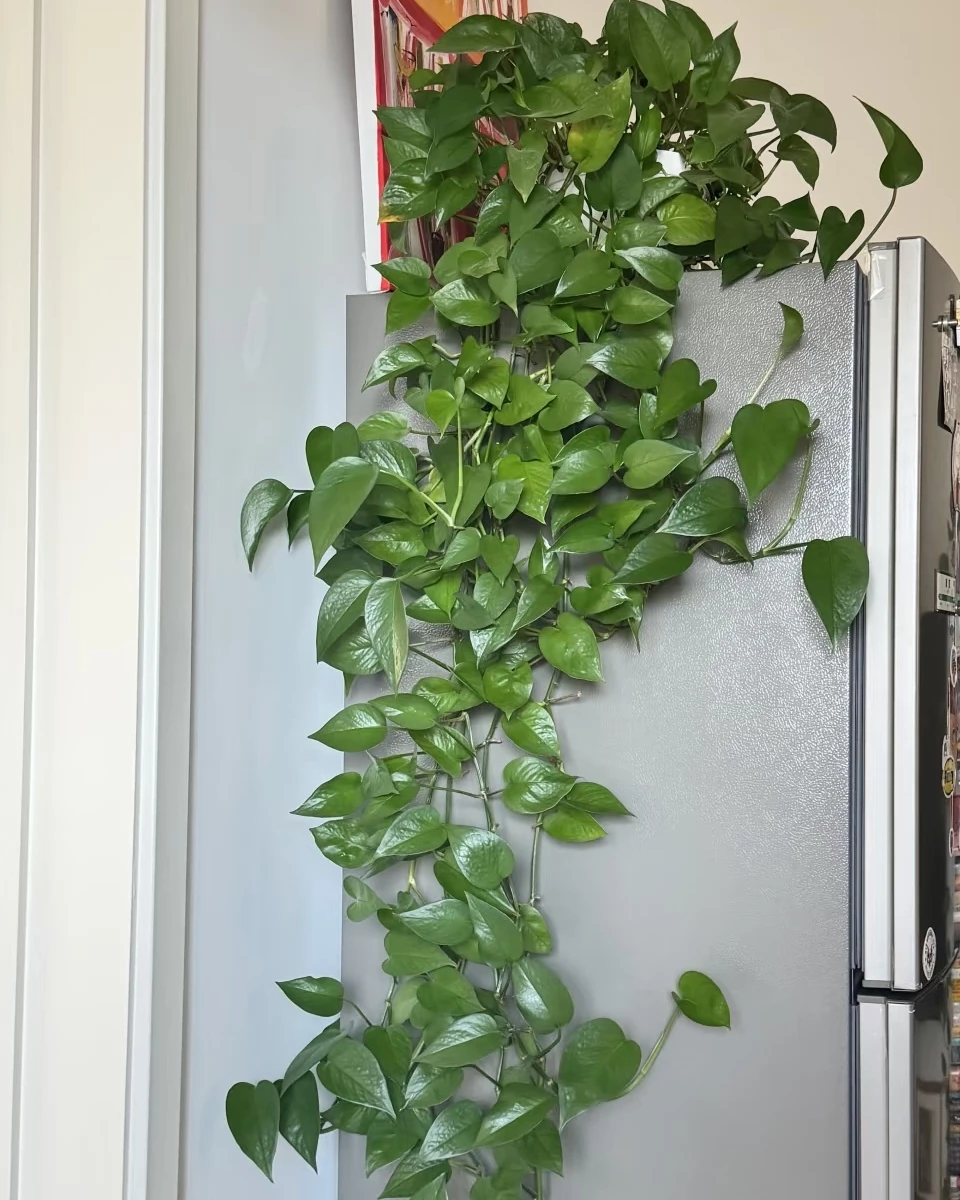
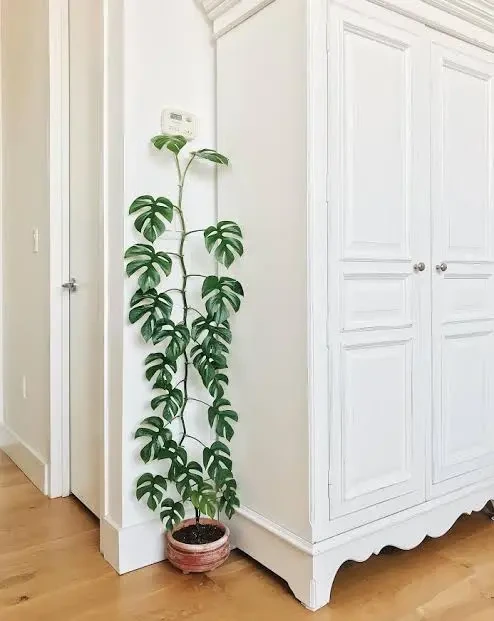
Pothos vines not getting enough light is a common wall-setup problem, and the pot position alone does not tell you much. A pot beside the window does not mean every leaf on a vine several feet away receives the same light. The root zone determines water supply; each leaf's position determines how much photosynthesis it can do. To judge the situation, check the vine path, not just the pot.
A recent r/pothos discussion about whether a wall-trained vine would get enough sun captured the usual split in advice. Commenters agreed that Pothos tolerates lower light, while also noting that far leaves in a dark corner can stall or drop. Both statements are true: survival, slow maintenance, and active growth are three different outcomes, and a tolerant plant still has limits.
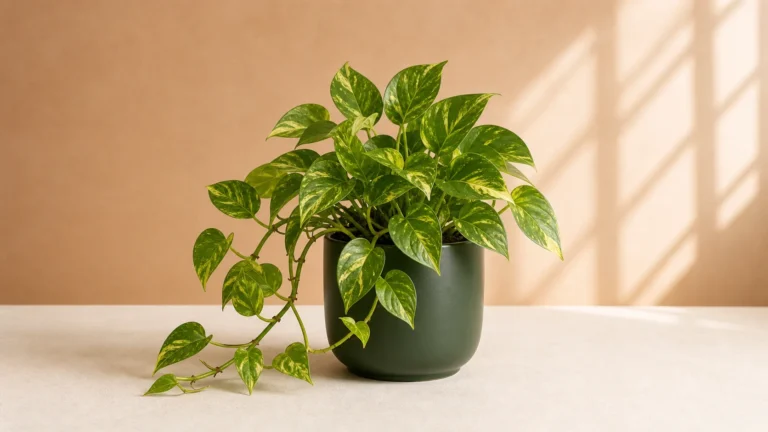
Why Light Varies Along One Vine
Indoor light drops quickly with distance and angle from the window. When the pot sits beside an east-facing window, the base may be bright while the vine rounds a corner, passes behind curtains, or reaches deeper into the room, and the far leaves receive a completely different level of light.
Pothos directs new growth toward brighter areas, but a vine fixed to a wall cannot always reroute. Do not judge by how bright the room looks, and do not assume a regular indoor lamp counts as a grow light. Measure the vine itself. When pothos vines are not getting enough light, the first place to look is the section furthest from the window: that is where the symptoms appear first and where a small distance makes the largest difference.
Pothos Vines Not Getting Enough Light: Common Signs
Watch for these patterns along the vine, not at the pot:
- new leaves are progressively smaller;
- internodes lengthen, leaving bare gaps between leaves;
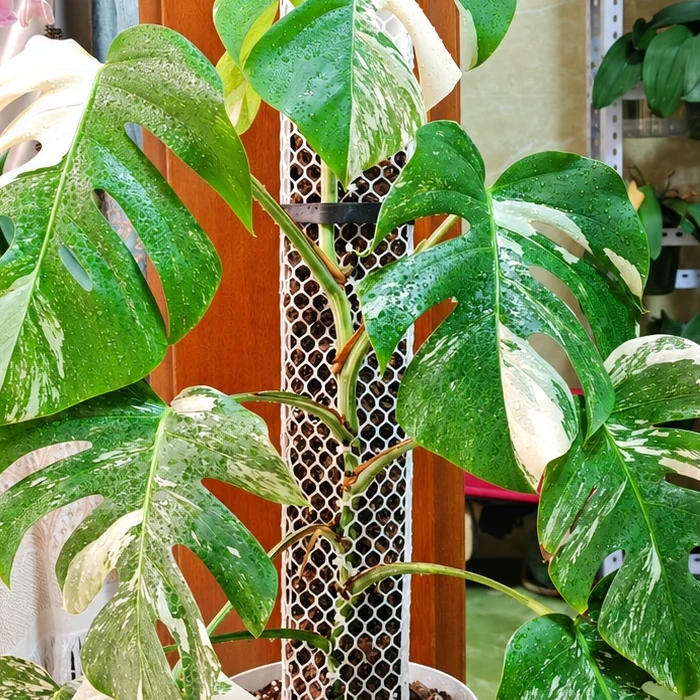
- variegated varieties such as Marble Queen lose contrast;
- older leaves in the dark section yellow and drop;
- the mix dries much more slowly than the watering routine assumes;
- the vine stays alive but produces no new leaves for a long stretch.
These symptoms can also come from root problems, overwatering, or the season. The key clue is location: if only the dark wall section declines while the window-side growth stays compact, light difference deserves the first look.
Tolerating Low Light Is Not the Same as Thriving in It
The North Carolina State Extension plant database maintains a profile for Epipremnum aureum that describes Pothos as preferring bright indirect light, tolerating low light for extended periods, and losing variegation in low light. It also ties mature leaf development to both adequate light and a climbing support.
"Will not die quickly" is therefore not the standard for a wall display. If you want tight leaves, clear variegation, and steady extension, the vine route itself needs to stay inside usable light. A Pothos can survive for months in a dim corner while the visible damage accumulates slowly: a leaf here, a longer internode there, a stretch of bare stem near the tip. Recognizing pothos vines not getting enough light early, while the vine is still dense, is what keeps a wall arrangement from silently falling apart.
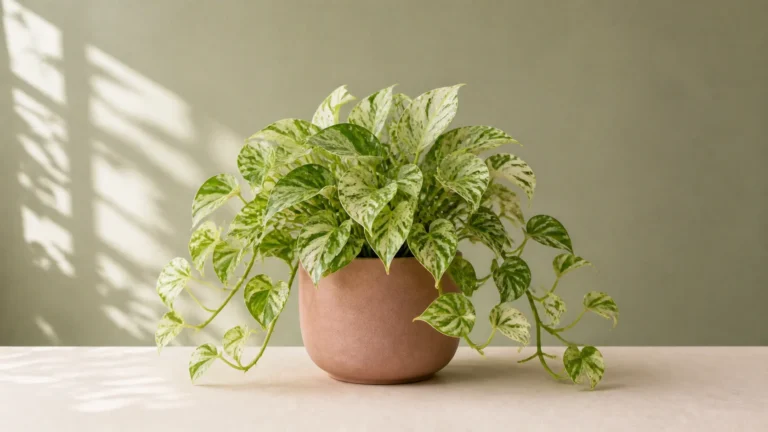
Check the Whole Vine at Set Times
Inspect the pot edge, the middle of the vine, and the tip at the same time of day. Log each point with the Houseplant Sunlight Check instead of only testing the window position. A phone light meter is not calibrated for horticulture, but it is still enough for relative comparison: it will reveal when the tip is far darker than the base. This routine is how you confirm pothos vines not getting enough light instead of guessing from the pot's position.
If the room itself is dim, compare genuinely low-light-tolerant options in the low-light houseplants collection before expecting any plant to cover a dark wall. Even low-light plants need usable daytime light.
Light also changes with the seasons. The same wall position may support a full vine in spring and leave the far end in shadow by winter, when the sun sits lower and days are shorter. Re-check the vine at the solstices, not just when you first set it up, and accept that a route that worked in July may need shortening by January.
Four Ways to Adjust a Pothos Wall Route
- Move the pot and the main vine route closer to the window together, instead of shifting only the pot. This is the direct answer to pothos vines not getting enough light: shorten the distance between leaves and glass rather than asking the plant to adapt.
- Shorten the section entering the dark zone, and replant the cuttings back into the pot to build a fuller base.
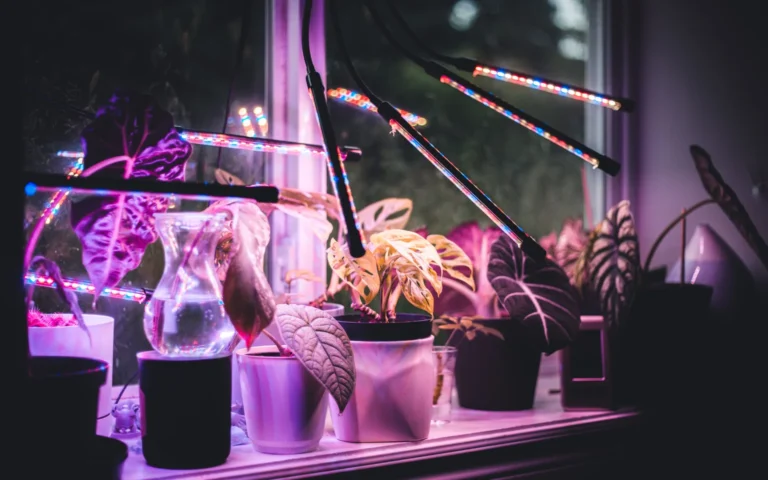
- Install a grow light aimed at the leaves along the vine, on a timer with a consistent cycle.
- Switch to short climbs or trailing over a limited area so the leaves stay within one controllable light zone.
Marble Queen shows low-light change fastest because its white sectors are large. Neon Pothos can also lose its vivid color when kept too dark. Cultivars respond at different speeds, so do not assume Golden Pothos' tolerance applies equally to all of them.
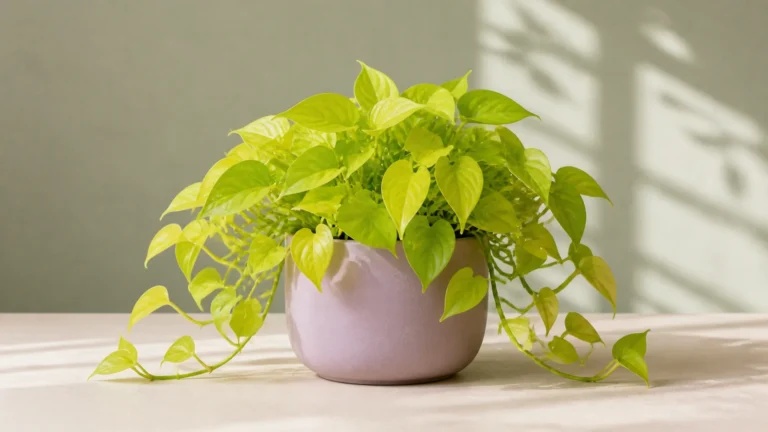
Adjust Watering When the Light Changes
When effective light increases, the plant may use water faster; when it drops, slower. Do not add or subtract fixed days automatically after moving the pot. The Houseplant Watering Calculator can rebuild a starting interval for the new position, but water only when the mix at the root zone has dried to the plant's usual point.
Pothos vines not getting enough light is not a question of whether Pothos can survive. It is whether this particular vine can hold the leaf density, variegation, and growth rate you want at the target position. Check light along the vine rather than at the pot, and the answer is usually much clearer.