Mini Monstera vs Monstera: Key Differences
Compare Mini Monstera vs Monstera deliciosa by botanical name, leaf shape, mature size, growth habit, light, support, and pet safety.
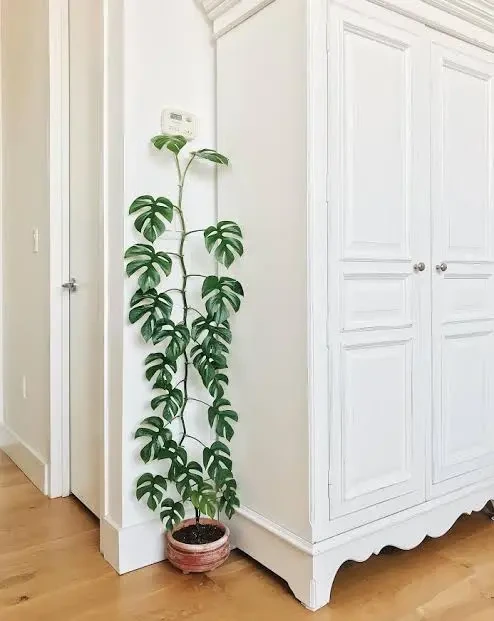
"Mini Monstera" is the common name for Rhaphidophora tetrasperma, while "Monstera" usually refers to Monstera deliciosa. The mini Monstera vs Monstera comparison starts with that botanical fact: the two are not the same genus. They belong to the same plant family (Araceae), both climb, and both can produce split leaves, but they differ in mature size, leaf structure, growth speed, and the space and support they need indoors.
The confusion is common enough to show up in plant clinic threads. In a recent r/plantclinic identification post, the plant was labeled and treated as a Monstera, and commenters pointed out that it was actually Rhaphidophora tetrasperma. Store tags use names like Mini Monstera, Monstera Ginny, and Philodendron Ginny for the same plant, which makes the mix-up easy.
Mini Monstera vs Monstera: What the Names Mean
The North Carolina State Extension plant database maintains a profile for Rhaphidophora tetrasperma under its common name Dwarf Monstera and is explicit about the naming: the plant is neither a Monstera nor a Philodendron, although all three belong to the same family. The common name stuck because the plant looks like a compact version of Monstera deliciosa, with smaller leaves that develop splits earlier in life.
| Comparison | Mini Monstera | Monstera deliciosa |
|---|---|---|
| Botanical name | Rhaphidophora tetrasperma | Monstera deliciosa |
| Genus | Rhaphidophora | Monstera |
| Mature indoor size | narrower, lighter, easier to fit | wide, heavy, needs floor space |
| Leaf size | smaller, often with splits to the edge | very large at maturity, splits plus inner holes |
| Growth habit | fast climbing, slender stems | robust climbing, heavy stems |
| Support | trellis, pole, or small moss pole | sturdy pole, plank, or wall mount |
| Pet safety | contains calcium oxalate | contains calcium oxalate |
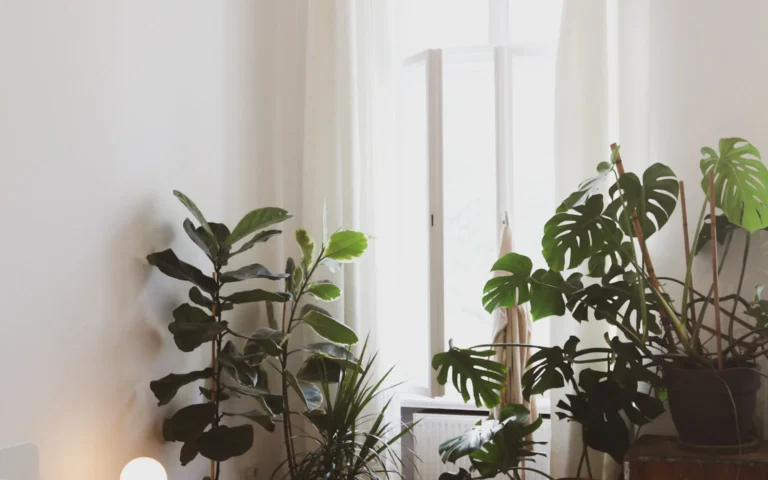
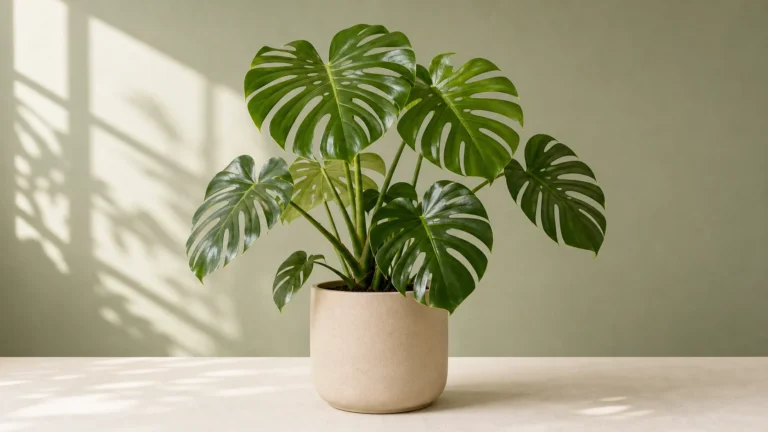
Those mature-size differences are the practical part of the comparison. A young Monstera deliciosa can sit on a shelf; a mature one is a floor plant that needs horizontal room for its petioles and a support strong enough to hold its weight.
Leaf Shape: Splits Are Not Enough to Tell Them Apart
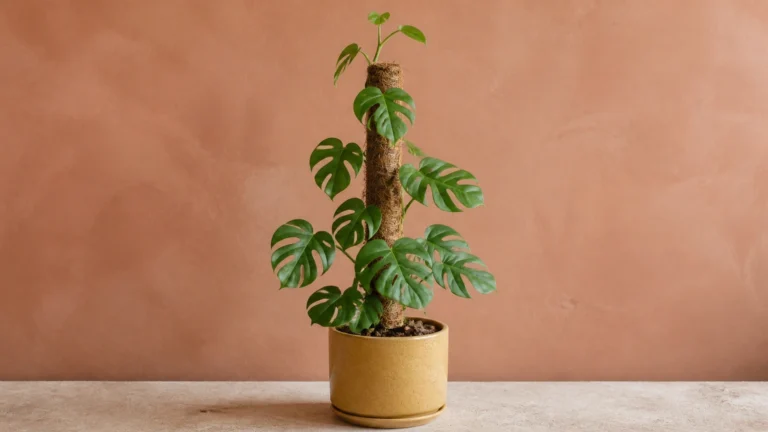
Mini Monstera leaves stay small and commonly show deep splits that reach the leaf edge at a relatively young age. Monstera deliciosa produces much larger leaves, and mature plants add internal holes, called fenestrations, in addition to edge splits. A juvenile Monstera deliciosa may have no fenestrations at all, which is why a single photo is often misleading. In the mini Monstera vs Monstera comparison, a plant photographed at the wrong age can easily look like the other one.
Light, age, and support also change the leaf form. A Monstera kept in dim light or without a climbing structure can produce smaller, less split leaves for years. When identifying either plant, look at several features together: the growth point, stem thickness, petioles, and overall habit, rather than judging from one leaf.
Space and Support Needs
Mini Monstera grows quickly, but its slender stems and smaller leaves suit a narrow trellis, a short moss pole, or a modest shelf. It is a good candidate when you want the split-leaf look without the floor footprint of a full-size Monstera. Monstera deliciosa eventually needs a heavier pot, a wider position, and a support that can take real weight as the stem thickens. When weighing mini Monstera vs Monstera for a shelf, remember that the shelf is a permanent home for one of them and only a nursery stage for the other. If you are choosing between the two for a specific room, measure the position first: a shelf above a side table can hold a Mini Monstera for years, while a large Monstera will want floor space, headroom, and a support that does not wobble under heavy petioles.
Before assigning either plant to a spot, check the position with the Houseplant Sunlight Check so the support and growth direction match the light the plant will actually receive. If you are deciding between several fast climbers for a wall or shelf, the fast-growing houseplants collection is a useful comparison, since both of these plants can take over vertical space quickly.
Care That the Two Plants Share
Both prefer bright indirect light and a well-draining potting mix, and neither should be watered on a fixed calendar. Mini Monstera usually lives in a smaller pot with faster-growing vines, so its root zone may dry on a different rhythm than a large Monstera in a heavy container. Check the mix at the surface and judge by pot weight, not by the species' reputation. A mix heavy on bark and perlite dries faster in both, but the smaller pot still reaches its dry point sooner. The Houseplant Watering Calculator can give each plant a sensible starting interval based on pot, mix, light, and season; the final check should still come from the root zone.
Both are aroids that contain calcium oxalate, and "mini" does not mean "pet-safe." Keep both out of reach of cats and dogs, and treat the toxicity as a placement question: choose a spot the pets cannot reach rather than assuming a smaller version carries less risk.
Growth speed is one more practical difference. Mini Monstera fills vertical space quickly and can outgrow a small trellis within a season, while Monstera deliciosa grows steadily but spends more years reaching its full scale. If you want visible progress on a modest wall, the Mini Monstera delivers it sooner; if you want a long-lived centerpiece that will mature over many years, the larger species may suit the room better. Care routines for the two overlap closely, which is why the mini Monstera vs Monstera decision matters more for space and support than for daily watering.
A Practical Identification Sequence
When the names on the tag do not match what you see, work through the plant, not the label:
- Count the stems and check the growth habit: slender and fast-climbing points to Mini Monstera.
- Look at leaf size and the depth of splits relative to the plant's age.
- Note whether leaves have inner holes (fenestrations), which appear on mature Monstera deliciosa.
- Estimate the mature footprint the plant will need in two to three years.
- Record what you observe; the Name My Plants tool is handy for organizing candidate names and the evidence behind each one.
The mini Monstera vs Monstera question usually resolves within a few days of watching the plant grow. Both make excellent climbers; they simply belong to different genera, reach different sizes, and need different supports. Buy the one whose mature form fits the room you actually have.