Tradescantia Common Names: Inch Plant, Wandering Dude, Spiderwort & More
Tradescantia goes by many names — inch plant, wandering dude, spiderwort. Here's what each name means, why the old "wandering jew" name was retired, and how to buy the right plant by name.
If you have ever bought a plant labeled "wandering jew," "inch plant," or "purple heart," you have owned a Tradescantia — possibly without realizing it. One genus, dozens of names. The confusion runs in both directions: the same name gets used for different species, and the same species gets sold under different names in different stores. Knowing which names refer to what, and which ones the industry is quietly retiring, saves you from buying the wrong plant and from repeating a name that carries baggage you did not sign up for.
What Is Tradescantia, Anyway?
Tradescantia is a genus of roughly 75 species native to the Americas, from southern Canada down through Argentina. The ones grown as houseplants fall into a few familiar species:
| Species | What it looks like | Names you'll see on labels |
|---|---|---|
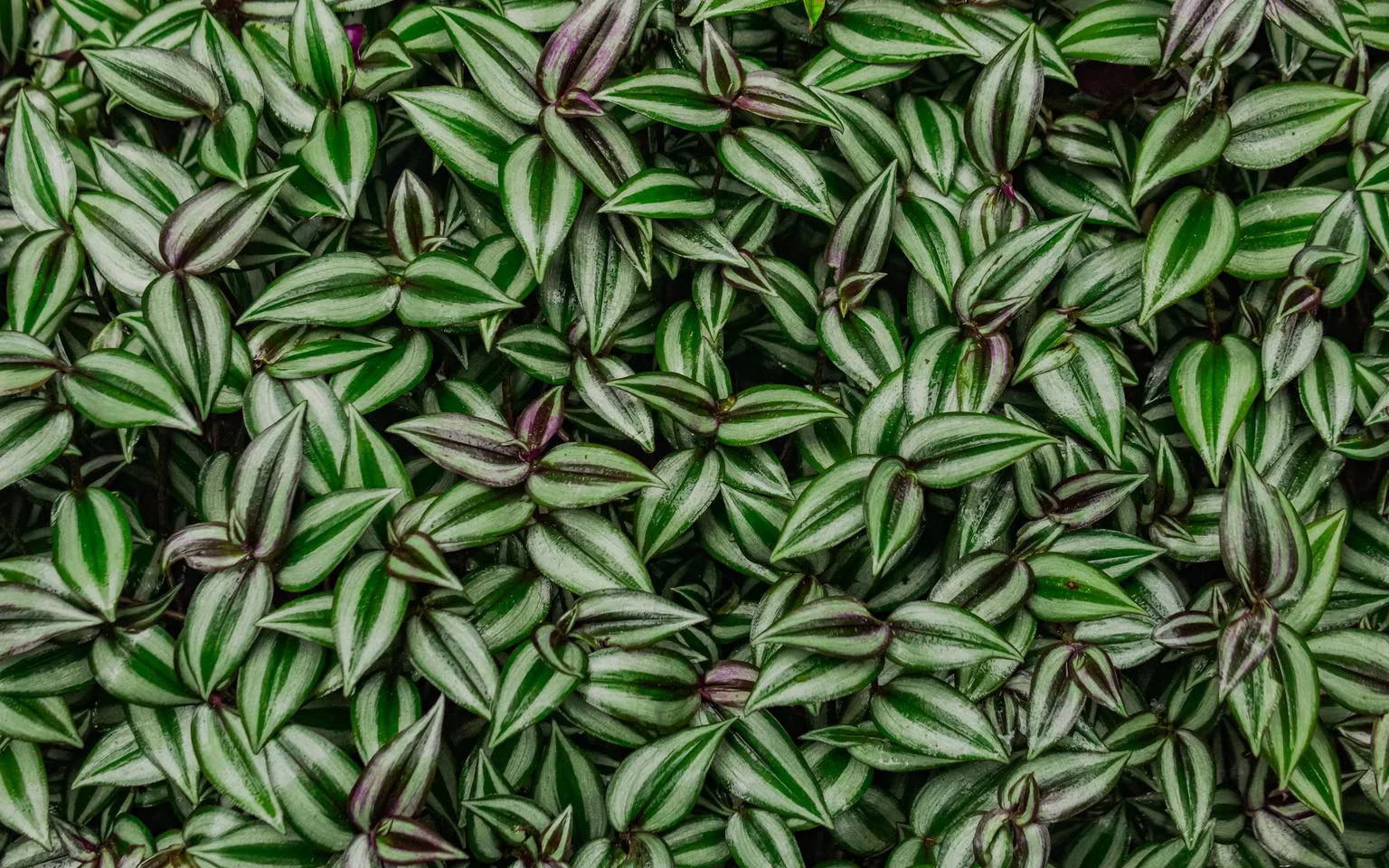
| Tradescantia zebrina | Purple-and-silver striped, trailing leaves | Inch plant, wandering dude, silver inch plant |
| Tradescantia fluminensis | Solid green or white-variegated, small leaves | Small-leaf spiderwort, wandering dude |
| Tradescantia pallida | Deep purple, upright fleshy stems | Purple heart, purple queen |
| Tradescantia sillamontana | Fuzzy silver-green leaves, denser habit | White velvet, cobweb spiderwort |
All of them share the same easy personality: fast growth, effortless propagation from cuttings, and a forgiving attitude toward neglect — the same qualities that put them on our list of the hardest-to-kill houseplants, where species like the ZZ plant and pothos earn their keep through identical survival skills. If you already grow pothos successfully, a Tradescantia will feel familiar from day one.
Every Common Name This Genus Goes By
The genus picked up nicknames the way it picks up roots at every node — easily, and all over the place. Here is the full set you are likely to encounter, with the story behind each:
- Inch plant — the most descriptive name of the bunch. In good light, Tradescantia can put on an inch or more of growth in a single week, which is visible in real time if you check a trailing stem every few days.
- Wandering dude — the modern replacement for the old name (more on that below). Lighthearted, matches the plant's habit of sprawling wherever it lands.
- Spiderwort — the older English name for the whole genus. It comes from the sticky, web-like sap that strings out when you snap a stem or leaf.
- Purple heart / purple queen — used specifically for T. pallida, the upright purple one. If you see "purple heart" on a label, it is not a trailing plant.
- Wandering jew — the historical name, now being phased out by nurseries, botanic gardens, and university greenhouses. You should not feel obligated to use it.
- Trinity flower / widow's tears — names carried over from the hardy outdoor species, referencing the three-petaled flowers that open for a single day.
- Oyster plant — sometimes applied loosely to T. fluminensis, though it more properly belongs to a different genus (Rhoeo). See the label problem below.
- Moses-in-the-cradle — one more borrowed label, again usually pointing at Rhoeo rather than a true Tradescantia.
The takeaway: "Tradescantia" is the only name that always means the plant you are looking at. Every common name is local, borrowed, or ambiguous.
Why the Old Name Was Retired
The name "wandering jew" has nothing to do with plants. It comes from a medieval European legend about a figure condemned to wander the earth, and the name became a vehicle for antisemitic stereotypes over the centuries that followed. When the plant arrived in European horticulture in the 19th century, its restless, hard-to-stop growth made the folk tale an easy analogy — and the label stuck.
It stuck long enough that most people never thought about the origin. But the greenhouse team at Brigham Young University, among many others in the industry, spells out the reasoning plainly: the old name carries antisemitic connotations from the folktale, which is why growers and plant retailers have been retiring it in favor of "wandering dude," "inch plant," or simply the botanical name. This is a naming change, not a plant change — the Tradescantia in the pot is exactly the same plant it always was, and no one is asking you to rehome it.
If you see "wandering jew" on a tag at a garden center, it usually means the label is old stock. You can buy the plant and call it inch plant or wandering dude — most growers will quietly agree.
How to Find the Right Plant at the Nursery
Common-name chaos makes buying a Tradescantia genuinely tricky, because the same common name can point at different species. "Inch plant" is sometimes used for Tradescantia zebrina, sometimes for T. fluminensis, and occasionally for a lookalike called Callisia repens (creeping inch plant), which is a close relative with smaller leaves.
Two rules cut through the confusion:
- Read the botanical name on the tag. If it says Tradescantia zebrina, you are getting the purple-striped trailer. If it says Callisia, it is a different plant that looks similar and needs similar care. The botanical name is the only reliable identifier.
- Judge by the leaf, not the label. Purple-and-silver stripes mean zebrina. Solid green or white-margined small leaves mean fluminensis. Solid purple, upright growth means pallida. Whatever name is printed, the leaf pattern tells you the species.
One more trap: plants sold as "purple heart" are sometimes T. pallida and sometimes Setcreasea (an older name for the same species). Same plant, older label — harmless, but it explains why two "purple heart" plants from different stores can look slightly different.
Care Basics in One Minute
Every common name in this article leads to the same care sheet. Tradescantias want bright, indirect light — the purple and silver coloring on zebrina fades toward plain green if light is too low, a signal that light levels matter more than the plant's reputation suggests. Water when the top inch or two of soil dries, which usually means once a week in active growth and less in winter. They tolerate average home humidity without complaint, though the fuzzy-leaved T. sillamontana appreciates a little extra.
Growth is fast, and so is the remedy when stems get leggy: pinch off the tips or take cuttings, root them in water or moist soil, and replant in the same pot. This is one of the few houseplants where "just propagate a new one" is a realistic care strategy rather than a last resort.
Two problems catch new owners off guard. The first is color fade: a zebrina that loses its purple and silver and goes mostly green is telling you the light is too dim — move it closer to a window rather than adding fertilizer, which fixes nothing. The second is stem rot: a stem that turns dark, soft, and mushy near the soil line means the plant has been sitting too wet, and the fix is cutting the healthy top off and rerooting it in fresh soil while the old pot drains out completely. Both are common enough that they are worth knowing before you panic-search.
Not sure a fast-growing trailer fits your space and schedule? Take the House Plant Finder quiz and get plant matches built around the light, humidity, and care time you actually have.