Why Is My Houseplant Drooping? 6 Common Causes and Fixes
Is your houseplant suddenly drooping or wilting? Learn the 6 most common causes — from underwatering to repotting shock — and exactly how to fix each one.
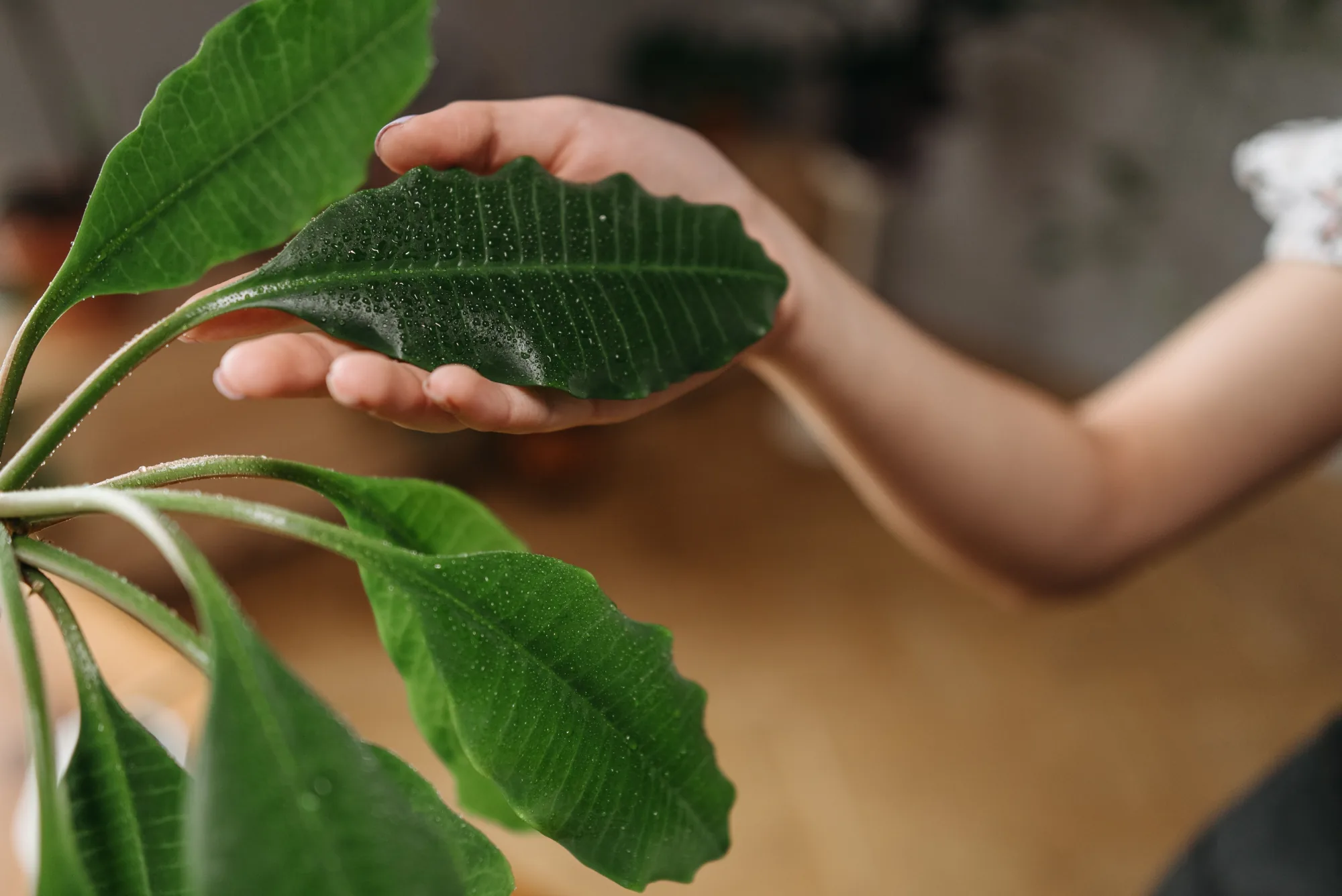
A drooping houseplant is alarming. One day the leaves are upright and healthy, and the next they are sagging, wilting, or leaning toward the floor. It is a natural reaction to walk past and think, “Is my plant dying?”
Probably not. Drooping is how a plant says it’s stressed — not that it’s dying. Most causes are fixable, and plenty of plants bounce back within hours once you fix the problem.
Here are the six most common reasons a houseplant suddenly droops, how to tell which one is your problem, and what to do about each.
First, Don’t Panic — Most Drooping Is Fixable
Plants droop when something in their environment changes faster than they can adapt. The droop is a protective mechanism: by reducing leaf surface area, the plant slows water loss and buys itself time.
Think of drooping like a check engine light. It tells you something needs attention, but it rarely means the engine has already failed. Start with the simplest, most common causes first — in most cases, the fix is straightforward.
Below are the six most common causes, ordered from most frequent to least frequent. Work through them in order, and you will likely find the answer before you reach the bottom of the list.
1. Underwatering — The Most Common Cause
If you have not watered your plant in a while and it suddenly looks sad, underwatering is your most likely answer. This is especially common in summer, when higher temperatures and longer daylight hours increase water consumption, or when a plant has recently put out new growth.
How to identify it: The soil is bone-dry to the touch. The pot feels unusually light when you lift it. The leaves look thin, limp, and may have started to curl inward at the edges. Unlike overwatered leaves, underwatered leaves feel dry and papery, not soft and mushy.
How to fix it: Bottom-watering is the most effective method for severely dry plants. Place the pot in a shallow tray of room-temperature water and let the soil absorb moisture from below for 20 to 30 minutes, or until the surface feels damp to the touch. Top-watering sometimes fails when soil has dried out completely because the water runs through without soaking in.
Most underwatered plants perk up noticeably within a few hours of watering. If yours has not improved after 24 hours, the cause may be something else — or the underwatering may have been severe enough to damage fine root hairs. Either way, switch to consistent soil-moisture-based watering going forward. Our guide to watering houseplants without overwatering will help you build a reliable routine.
2. Overwatering — Drooping That Looks Like Thirst
An overwatered plant can droop just as dramatically as a thirsty one, which is why so many plant owners accidentally make the problem worse. When roots sit in waterlogged soil, they cannot access the oxygen they need to function. Without functioning roots, the plant cannot transport water to its leaves — so the leaves wilt as if the plant were dry.
How to identify it: The soil is wet or soggy, not just moist. The pot feels heavy. The leaves are soft, limp, and may be yellowing, especially the lower leaves. The stems may feel mushy at the base. There may be a sour or musty smell coming from the soil.
How to fix it: Stop watering. Let the soil dry out completely — this may take a week or more. Improve air circulation around the plant. Check that the drainage hole is not blocked by compacted soil or roots.
If the plant has been sitting in saturated soil for more than a week, or if the stems feel soft at the base, remove the plant from its pot and inspect the roots. Brown, mushy, or foul-smelling roots mean overwatering has progressed to root rot. Catch it early enough, and you can trim away the damaged roots and repot into fresh, well-draining soil. Our repotting guide covers the process step by step.
Overwatering is the single most common cause of houseplant decline — and plants in pots without drainage holes are at especially high risk, no matter how carefully you water.
3. Repotting Shock
If you repotted your plant within the last week and it is now drooping, repotting shock is almost certainly the cause. Repotting disturbs the root system, and even careful handling causes some root damage. The plant droops while it redirects energy to repairing its roots.
How to identify it: The drooping started within one to three days after repotting. The soil is appropriately moist — not bone-dry and not waterlogged. The plant otherwise looks healthy: no yellowing, no spots, no pests.
How to fix it: Water thoroughly immediately after repotting — this helps settle the soil around the roots and eliminates air pockets. Then place the plant in bright, indirect light and leave it alone. Do not fertilize a freshly repotted plant. Do not move it around trying to find the perfect spot. The plant needs stability while it recovers.
Most plants recover from repotting shock within three to seven days, though some sensitive species like Ficus and Calathea can take up to two weeks. As long as the plant is not yellowing or developing brown spots, patience is the best medicine. If possible, repot during the active growing season — spring to early summer — when plants bounce back fastest from root disturbance.
4. Temperature Stress
Houseplants are tropical or subtropical by nature. Most are comfortable in the same temperature range that we are — roughly 18 to 26 degrees Celsius. When temperatures swing outside that range, or when the plant is exposed to a draft or heat source, drooping is often the first visible sign of stress.
How to identify it: The drooping started suddenly after a temperature event — a cold night near a window, a heat wave, placement near an air conditioning vent or radiator. Leaves may look wilted and curled. Some plants, like Peace Lilies and Fittonia, are especially dramatic about cold drafts and will visibly collapse within hours.
How to fix it: Move the plant away from the source of the stress. Pull it back from cold windows in winter, especially at night. Keep it out of the direct path of air conditioning vents and at least a meter away from radiators and heating vents. If the plant was exposed to cold — below about 10 degrees Celsius — bring it into a warm room and let it recover gradually. Do not place a cold-shocked plant directly in front of a heater; the rapid temperature swing can cause additional damage.
Most plants recover from brief temperature stress within a day or two once moved to a stable environment. If leaves have been physically damaged by cold or heat, those leaves may not recover — trim them once you see new healthy growth.
5. Not Enough Light
Low light does not usually cause sudden dramatic drooping, but it can cause a gradual decline that eventually looks like a drooping plant. When a plant does not receive enough light, it cannot photosynthesize enough energy to maintain its structure, and the stems and leaves begin to weaken and sag.
How to identify it: The plant has been in the same spot for weeks or months and has slowly declined. Growth is leggy — long gaps between leaves on the stem. Leaves may be smaller than they used to be. The plant leans noticeably toward the nearest window.
How to fix it: Move the plant closer to a window. East-facing and west-facing windows provide good light for most houseplants, while north-facing windows often work for low-light-tolerant species. If natural light is limited, consider a grow light — even a simple LED grow bulb in a standard lamp can make a meaningful difference.
Rotate the plant a quarter-turn every time you water to encourage even growth. Our guide to houseplant light requirements covers how to match your plants to the light you actually have in your home.
6. Root Bound — The Pot Is Too Small
When roots completely fill the pot with no room to expand, the plant becomes root bound. Root-bound plants cannot hold enough water, no matter how often you water, because there is simply not enough soil relative to the root mass.
How to identify it: Roots are growing out of the drainage holes at the bottom of the pot. Water runs straight through the pot almost immediately when you water. The plant dries out within a day or two. When you gently pull the plant from its pot, you see roots circling tightly around the inside of the pot with very little visible soil.
How to fix it: Repot the plant into a pot that is 2 to 5 centimeters larger in diameter — no more. A pot that is too large holds excess soil that stays wet too long, creating a risk of overwatering and root rot. Use fresh well-draining potting mix appropriate for your plant type.
After repotting, expect some drooping for a few days from repotting shock. This is normal. Water thoroughly and give the plant time.
Quick Diagnostic Checklist
If your plant is drooping and you do not know where to start, work through these questions in order:
Check the soil. Is it bone-dry or soggy? This rules out or confirms watering problems, which account for the majority of drooping cases.
Did anything change recently? Did you repot, move the plant to a new spot, or experience a temperature swing? Recent changes point to repotting shock or temperature stress.
Has the plant been in the same spot for months? If the decline has been gradual, light may be the issue.
Are roots visible at the drainage holes? If yes, root bound is likely.
Check the leaves for pests. Fine webbing, sticky residue, or spots could indicate a pest problem. Our common houseplant pests guide covers identification and treatment.
When Drooping Is a Serious Problem
Most drooping resolves within days with the right fix. However, a few combinations of symptoms warrant closer attention:
Drooping plus yellow leaves plus mushy stems. This combination almost always means advanced root rot. Remove the plant from the pot, inspect the roots, and follow the recovery steps in our root rot guide.
Drooping plus leaf spots or fine webbing. Pests like spider mites and thrips can cause wilting as they damage leaf tissue. Check the undersides of leaves carefully. Our pest identification guide will help.
Drooping that does not improve after watering. If you have thoroughly watered a plant with dry soil and it has not perked up after 12 to 24 hours, root damage may have already occurred. Continue consistent care and give the plant time — severely dehydrated plants sometimes take several days to fully recover.
FAQ
Why is my plant drooping after watering?
If the soil was dry and you watered, the plant should perk up within a few hours. If it does not, or if the soil was already wet when you watered, the plant may be overwatered. Check the soil moisture two to three centimeters below the surface to confirm whether it is too wet or too dry.
Why is my plant drooping after repotting?
Repotting shock is normal. The roots have been disturbed, and the plant needs time to repair and re-establish in the new soil. Water thoroughly after repotting, keep the plant in bright indirect light, and expect recovery within one to two weeks. Avoid fertilizing for at least a month.
Can a drooping plant recover?
Yes. In most cases, drooping is fully reversible once the underlying cause is addressed. Underwatered plants recover within hours. Repotting shock resolves within days to a week. Overwatered plants take longer — one to two weeks — but can recover if root rot has not set in.
Should I water a drooping plant?
Only if the soil is dry. Check the soil before you do anything. If the soil is wet, adding more water will make things worse. If the soil is dry, water thoroughly and the plant should improve.
Why is my plant drooping at night?
Some plants naturally lower their leaves at night — this is called nyctinasty. Prayer Plants, Calathea, and some other species fold their leaves upward or downward in response to light changes. This is normal behavior, not a sign of stress. If the plant looks healthy during the day, nighttime leaf movement is nothing to worry about.
Listen When Your Plant Talks
Drooping is communication, not drama. Most of the time it’s a simple message: “I’m thirsty,” “My roots need more room,” or “It’s too cold by this window.” The fix is usually straightforward once you know the cause.
The best way to prevent drooping is to check your plants regularly — not just visually, but by touching the soil, lifting the pots, and glancing at the undersides of leaves. Plants give you warning signs long before they droop. The more you pay attention, the earlier you catch them.
Looking for plants that match your home’s conditions and your care style? Try the House Plant Finder quiz to discover indoor plants suited to your actual environment.plants that fit your real routine, no guesswork required.