Entryway Houseplants: How to Choose Plants for Your Front Door Area
Entryway houseplants need to handle real conditions: changing light, busy walkways, planter drainage, and pet safety. Use these rules before choosing one.
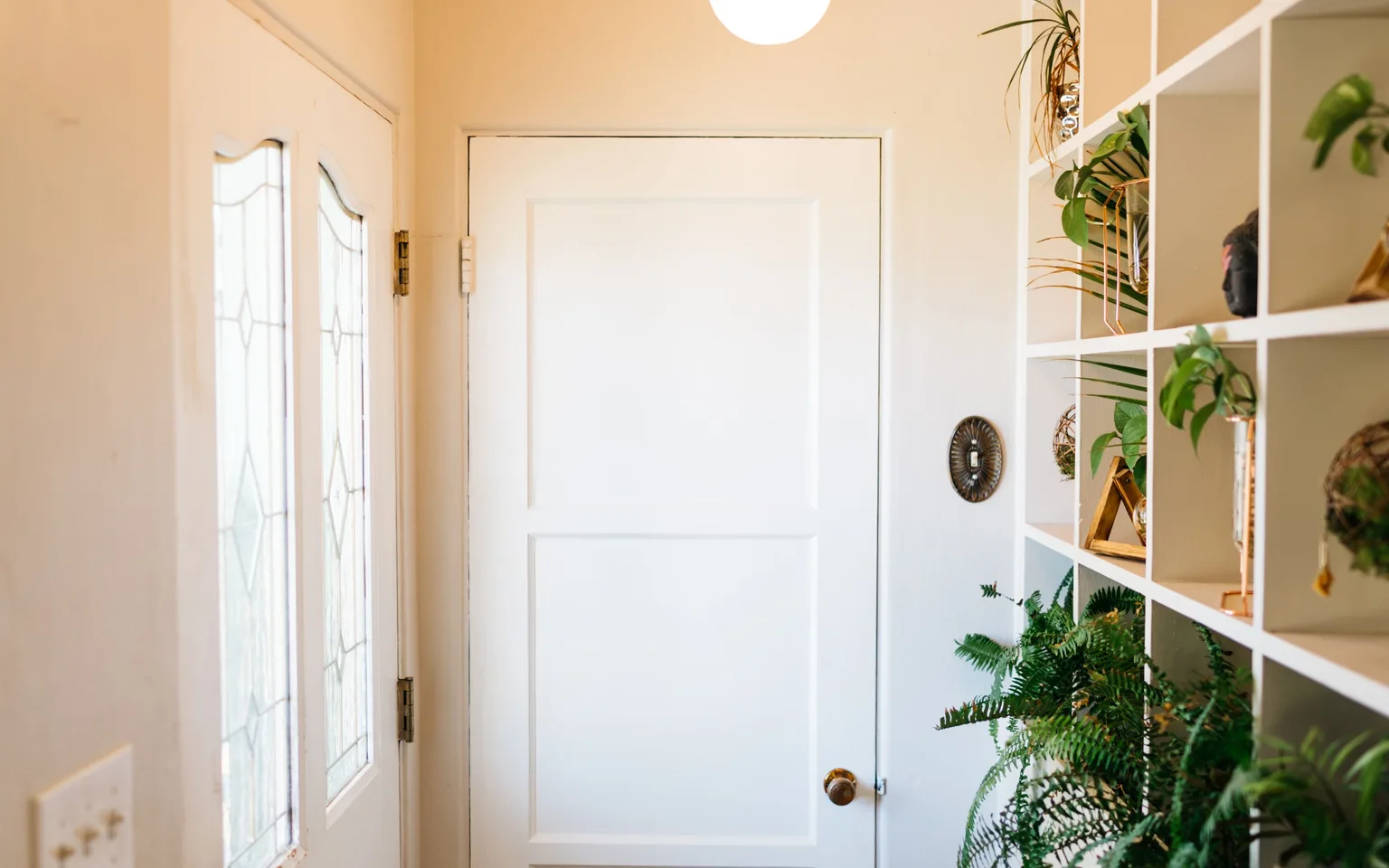
Entryway houseplants have to do more than look good for a photo. They sit near doors, shoes, bags, coats, delivery boxes, temperature swings, and sometimes pets. A plant that looks perfect in a living room can struggle in an entryway if the light is too low, the pot has no drainage, or the leaves are constantly brushed by people walking past.
Recent public Reddit discussions about an entryway plant display, a new planter, and large plants in a small office show why this topic resonates. People are not only choosing plants. They are trying to make plants work in real rooms.
Here is how to choose an entryway plant that fits the space, not just the mood board.
Start With Entryway Light
Light is the first filter. Before choosing a plant, stand in the entryway during the day and check how much natural light actually reaches the spot.
Most entryways fall into one of three groups:
| Entryway Type | What It Means | Better Plant Direction |
|---|---|---|
| Bright entryway with a glass door or nearby window | The plant receives usable natural light | Pothos, philodendron, peperomia, aglaonema, small ficus, or other bright-indirect-light plants |
| Dim hallway entryway | Little or no direct natural light reaches the plant | Snake plant, ZZ plant, cast iron plant, or a rotating plant system |
| Sunny front door area | Strong sun and heat may hit the plant through glass | Heat-tolerant choices, careful acclimation, and protection from harsh afternoon sun |
Low light does not mean no light. Even tolerant plants need some usable light to keep growing. If your entryway has almost no natural light, consider rotating the plant to a brighter room every few weeks or using a grow light.
Think About the Traffic Path
Entryways are high-traffic spaces. A plant may be touched, bumped, brushed, or knocked by bags and coats several times a day. That matters more than many people expect.
Avoid wide, fragile, or sharp-edged plants in narrow walkways. Large Monstera leaves, Bird of Paradise leaves, and broad philodendron leaves can look impressive, but they are easy to damage if they sit directly in the path from the front door.
For narrow entryways, choose plants with a tighter shape:
- Snake plant for upright structure
- ZZ plant for sturdy stems and low-maintenance care
- Cast iron plant for darker corners with enough space
- Aglaonema for soft foliage in moderate light
- Pothos on a shelf or wall hook where vines stay out of the walkway
If you want a large statement plant, place it in a corner where people do not need to squeeze around it. The mature size matters more than the size on the day you buy it.
Match the Planter to the Plant, Not Just the Room
Entryway planters are often chosen for style first. That is understandable, but drainage still decides whether the plant can live there long term.
A decorative cachepot is fine if the plant stays in a nursery pot inside it. Water the inner pot, let it drain fully, and then place it back into the outer pot. Do not let the inner pot sit in water at the bottom of the cachepot.
If the planter has no drainage hole and the plant is potted directly into it, watering becomes much harder to manage. Moisture collects at the bottom where you cannot see it. That can lead to yellow leaves, sour-smelling soil, and root rot.
For more detail, see our guide to pots without drainage holes. The short version is simple: decorative pots can work, but hidden standing water is the problem.
Choose Plants by Entryway Condition
There is no single best entryway plant. The best choice depends on light, space, temperature, and how often you will realistically check the plant.
For Bright Entryways
If your entryway has a glass door, side window, or bright indirect light, you have more options.
Good choices include:
- Golden Pothos for trailing or shelf displays
- Heartleaf Philodendron for soft trailing growth
- Peperomia for compact tabletops
- Aglaonema for colorful foliage with moderate care
- Small ficus varieties if the light is bright and stable
Keep plants out of harsh afternoon sun unless they are acclimated to it. Glass can intensify heat and scorch leaves.
For Dim Entryways
For a dim entryway, pick plants that tolerate lower light and slower watering cycles.
Good choices include:
- ZZ Plant
- Snake Plant
- Cast Iron Plant
- Dracaena varieties with moderate light tolerance
These plants are forgiving, but they are not artificial decor. Growth will be slower in a dim entryway, and watering should be less frequent because the plant uses water more slowly.
For Sunny or Hot Entryways
If your entryway gets direct sun through glass, choose carefully. Some tropical foliage plants scorch in hot afternoon sun. Others may do well if introduced gradually.
Better options can include jade plant, ponytail palm, certain dracaena varieties, or other plants that tolerate brighter, drier conditions. Avoid moving a shade-grown plant from a store directly into a hot window. Acclimate it over time.
Consider Temperature Swings
Front door areas can change temperature quickly. Cold drafts in winter, hot air in summer, and blasts from heating or cooling vents can stress tropical houseplants.
If the plant sits right beside a frequently opened door, avoid fussy plants that need stable humidity and warmth. Ferns, calatheas, and thin-leaved tropical plants may decline in a drafty entryway even if they look beautiful at first.
Plants with thicker leaves, sturdy stems, or drought tolerance usually handle entryway life better.
Check Pet Safety Before You Place the Plant
Entryways can be hard to control if pets pass through them all day. Many popular entryway plants are not pet-safe if chewed.
ASPCA lists Golden Pothos and Monstera deliciosa as toxic to cats and dogs. Snake plant, ZZ plant, and many philodendrons are also poor choices for pets that chew leaves.
If your pet ignores plants, placement may be enough. If your pet is curious, use a wall shelf, plant stand, closed room, or choose pet-safer plants instead. Start with our guide to pet-safe houseplants.
A Simple Entryway Plant Checklist
Before buying a plant or planter, ask:
- Does this spot get real natural light?
- Will people brush against the leaves?
- Can the pot drain after watering?
- Is the plant safe for pets in this location?
- Will the mature plant still fit here?
- Can I check the soil without moving heavy furniture?
If the answer is no to several of these, choose a tougher plant or change the location.
Summary
The best entryway houseplants are chosen for conditions, not just style. Check the light first, then the traffic path, planter drainage, temperature swings, and pet safety. A plant that fits those constraints will look better and last longer.
For a bright entryway, trailing pothos, philodendron, peperomia, and aglaonema can work well. For a dim entryway, choose slower, tougher plants like ZZ plant, snake plant, or cast iron plant. For a sunny front door area, pick plants that can handle stronger light and acclimate them gradually.
An entryway plant should welcome people into the home without becoming a constant care problem. The right plant in the right pot is what makes that happen.