Heat Resistant Houseplants for Sunny Rooms: What Can Actually Handle the Heat?
Heat-resistant houseplants can work in sunny rooms, but only if you choose plants that tolerate both strong light and faster-drying soil. Compare the best options and the care mistakes to avoid.
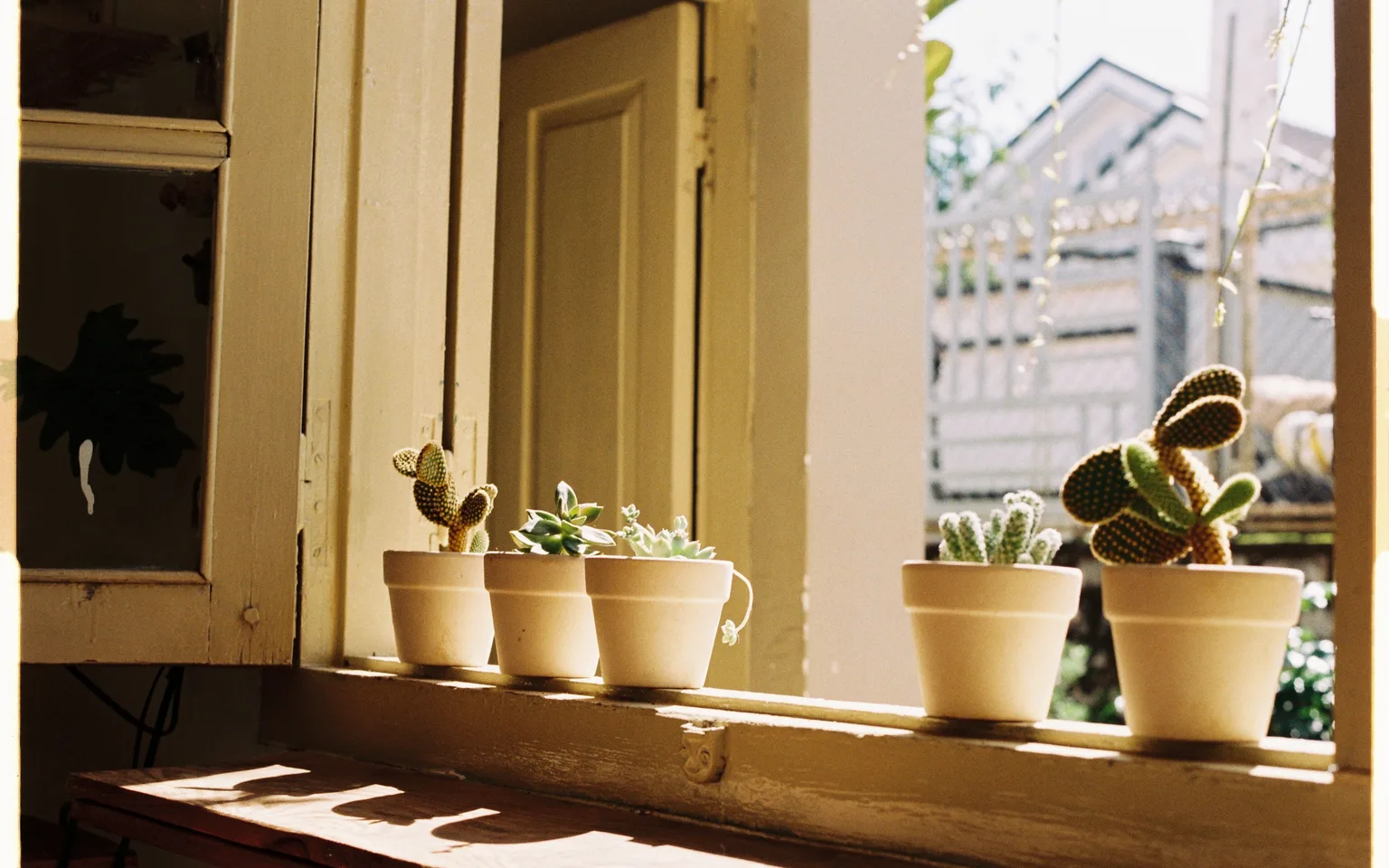
Heat resistant houseplants are not just plants that “like sun.” A sunny room can combine direct light, dry air, hot window glass, and soil that dries much faster than it does in a normal bright room. The best choices are usually succulents, caudex plants, and tough architectural plants that can store water or slow water loss.
That matters because a hot sunny room is a specific indoor problem. A plant label that says bright indirect light may still fail on a west-facing windowsill in August. A tropical foliage plant may enjoy warmth but scorch when afternoon sun hits the leaves through clear glass. A desert-adapted succulent may tolerate the light but rot if you respond to heat by watering on autopilot.
Use this guide when the room is genuinely bright and warm: a south- or west-facing window, a sunroom, a top-floor apartment, or a room that stays noticeably hotter than the rest of the home. If your main problem is weak light, start with low-light plants instead. If your problem is hot direct sun, the better question is which plants can handle both the light and the heat.
What Makes Heat Resistant Houseplants Different?
Heat resistant houseplants usually have at least one visible adaptation: thick leaves, swollen stems, waxy surfaces, narrow foliage, or a growth habit that expects dry periods. These traits help the plant hold water, reduce moisture loss, or survive in exposed places where sun and heat arrive together.
This is why many strong candidates are succulents or succulent-like plants. Jade plants store water in their leaves. Burro’s tail stores water in dozens of small bead-like leaves along each trailing stem. Ponytail palm stores water in its swollen base. Snake plant stores water in firm upright leaves and rhizomes, which helps it tolerate missed watering better than many softer tropical plants. Croton is the exception in this shortlist: it earns its place through warm-room and strong-light tolerance, not drought tolerance.
Heat resistance is still not a license to cook a plant. Strong sun and heat can break down chlorophyll and leave pale, bleached, or brittle patches, especially when the soil is dry. A useful guide to excess light on indoor plants explains why sunburn and leaf scorch become worse when strong light and dry soil happen together.
The practical rule is simple: choose plants that evolved with bright, dry conditions, then acclimate them gradually. Even a sun-loving plant can burn if it was grown in a shaded greenhouse, shipped in a box, and then placed directly against hot glass.
Best Heat Resistant Houseplants for Sunny Rooms
The plants below are strong choices because they tolerate bright light, dry intervals, and warm rooms better than most leafy houseplants. They are not all identical. Some want full direct sun. Some prefer bright light with a little protection from the harshest afternoon heat. The goal is to match the plant to the actual window, not just buy the toughest name on the list.
| Plant | Best sunny-room placement | Watering style | Pet note |
|---|---|---|---|
| Croton | Very bright window with acclimated gentle sun | Water when the surface dries | Not pet-safe |
| Jade plant | Bright window, several hours of direct sun | Dry fully between waterings | Toxic if eaten |
| Ponytail palm | Sunny window or bright sunroom | Deep water, then dry out | Commonly treated as pet-safe |
| Burro’s tail | Bright hanging spot with several hours of sun | Dry soil, careful handling | Commonly treated as pet-safe |
| Snake Plant Laurentii | Bright indirect to some direct sun | Infrequent watering | Toxic if eaten |
Croton
Croton is the colorful option in this list. It is not a desert succulent, and it should not be treated like the dry-down succulents in the shortlist, but it does suit a warm sunny room when the light is strong, the temperature is stable, and the watering routine is watched carefully.
The reason to use Croton is visual impact. Its thick patterned leaves can show green, yellow, orange, red, and pink in one plant, and the color is much better in strong light than in a dim corner. A bright east, south, or west window can work, especially if the plant receives gentle direct sun after a gradual transition.
Croton’s weakness is instability. A newly purchased plant may drop leaves after a cold trip home, a sudden move, a dry spell, or a jump into harsh afternoon sun. A plant profile for Croton describes it as a warm-climate shrub with colorful cultivars and irritating milky sap, and the local plant record keeps the same practical rule: very bright light, warm stable conditions, and a well-draining mix that does not stay saturated.
Use Croton when the room is sunny and warm, not when the room is hot and dry enough to crisp leaves every afternoon. Water when the surface begins to dry, drain the pot fully, and keep the plant away from cold air-conditioning blasts. It is not pet-safe, and the sap can irritate skin, so placement matters.
Jade Plant
Jade plant is a good fit for hot sunny rooms because it combines a woody structure with thick succulent leaves. It can sit on a bright windowsill, develop a compact shape, and handle dry spells that would make softer plants collapse.
Give jade several hours of direct light if possible. In strong light, the leaf edges may take on a red tint, which is a normal sun response when the plant is otherwise firm and healthy. If the leaves become pale, crispy, or scarred, the plant may have been moved into too much sun too quickly.
The best pot setup is boring and effective: a drainage hole, gritty mix, and a pot that is not much larger than the root ball. Jade does not want a constantly damp oversized pot. A horticultural profile for jade plant lists full sun to partial shade, good drainage, dry soil tolerance, and sunny indoor placement as key conditions.
Jade is not pet-safe if chewed, so use a raised shelf or a room your pets do not access.
Ponytail Palm
Ponytail palm is one of the best heat resistant houseplants when you want a larger, sculptural plant for a bright room. It is not a true palm. Its swollen base stores water, and its narrow arching leaves lose moisture more slowly than broad tropical leaves.
This plant suits a sunny window, a warm entry, or a sunroom where many foliage plants would dry too quickly. It does not need constant attention. Water deeply, let the pot drain, and then let the soil dry before watering again. In winter or cooler months, reduce watering sharply.
The plant’s dry-air tolerance is useful in real homes. A plant profile for ponytail palm notes that it is drought tolerant, grows well in well-drained cactus or succulent soils, likes a sunny window, and can do well with heated indoor air.
Ponytail palm is especially useful when the sunny room gets warm but you do not want to check the plant every few days. It is slower and steadier than smaller windowsill succulents, and it looks intentional in a corner rather than like a small pot squeezed onto a sill.
Burro’s Tail
Burro’s tail is best for a bright hanging basket near a sunny window. Its trailing stems are covered in plump leaves that store water, so it can handle dry intervals better than most trailing plants. In strong enough light, the stems stay denser and the blue-green color looks cleaner.
The placement matters. Burro’s tail wants strong light, but it does not want to be bumped, brushed, or moved constantly. The leaves detach easily. That is not a sign the plant is weak; it is part of how the plant propagates. Dropped leaves can root if placed on dry soil, but a plant in a busy hallway will lose its best shape quickly.
A plant profile for burro’s tail describes it as a succulent for high-light interiors, including a windowsill with at least partial sun, dry soil, fresh air, and shallow pots. It also notes drought and dry soil tolerance.
Use burro’s tail where the room is bright and warm but the plant can hang undisturbed.
Snake Plant
Snake Plant is not a desert succulent in the same visual style as jade or burro’s tail, but it is still a practical choice for warm, bright rooms. It tolerates dry soil, irregular watering, and indoor neglect better than most broad-leaf tropical plants.
Its advantage is flexibility. It can live in medium light, but it looks stronger in brighter conditions. The yellow margins hold better color with real light, and the upright leaves make it useful in narrow spaces near windows.
The caution is direct sun. Snake plants can take some direct light, especially after acclimation, but a newly purchased plant moved straight from a store shelf to a hot west window may scorch. Treat it as a bright-room plant first and a full-sun plant only after a gradual transition.
Snake plant is toxic if eaten, so it is not the right pick for pets that chew leaves.
How to Care for Plants in Hot Sunny Rooms
The care pattern for heat resistant houseplants is different from care for plants in a normal bright room. The plant may use water faster, but the root system still needs oxygen. The goal is not “water more.” The goal is “check more often, then water only when the plant and soil actually need it.”
Check Soil More Often, Not on a Fixed Schedule
Heat makes potting mix dry faster. Direct light, warm glass, low humidity, terracotta pots, small pots, and airflow all speed up the drying cycle. A jade plant that needed water every two or three weeks in spring may need water sooner during a heatwave.
Use your finger, a wooden skewer, or the weight of the pot. If the soil is still cool and damp below the surface, wait. If the mix is dry and the pot feels much lighter, water thoroughly. This is also where your general watering routine for houseplants matters: a good soak followed by real drainage is safer than frequent tiny sips.
Keep Leaves Off Hot Glass
A sunny windowsill can be hotter than the room itself. Leaves pressed against glass may scorch even when the plant is generally sun tolerant. Leave a little air space between foliage and the window, especially during summer afternoons.
This matters most for plants with leaves that were not grown in direct sun. New growth produced in the sunny spot will usually be better adapted than older leaves grown in shade.
Acclimate New Plants Gradually
Do not move a new houseplant directly from low light to a hot sunny room. Start it in bright indirect light, then add short periods of morning or late-afternoon direct sun. Increase exposure over one to two weeks.
This is especially important if you move plants outside for summer. A plant that looked healthy indoors can scorch fast in direct outdoor sun. A recent extension guide on moving houseplants outside recommends morning sun, filtered light, and close moisture monitoring because outdoor pots dry faster.
Avoid Fertilizing During Heat Stress
If a plant is actively growing, warm conditions can support normal feeding. But during a heatwave, when leaves are wilting, bleaching, or curling from stress, fertilizer is not the fix. Fertilizer pushes growth; it does not repair scorched tissue or rehydrate a dry root ball.
Wait until the plant is stable again. Then feed lightly during the normal growing season.
Signs Your Sunny Room Is Too Much
Even heat resistant houseplants can show stress when the light and heat are too intense. Watch for:
- Pale, bleached patches on leaves
- Brown brittle areas on the sun-facing side
- Leaves wrinkling faster than normal
- Potting mix drying within a day or two after watering
- Stems stretching despite high light, which can mean heat without enough usable light
- Sudden leaf drop after a move to stronger sun
If you see these signs, do not assume the plant needs a bigger pot or more fertilizer. First move it a little farther from the glass, add a sheer curtain, or shift it from harsh afternoon sun to morning sun. Then reassess watering after the soil has actually dried.
For confusing symptoms, compare whether the plant is drying out too fast or staying wet too long. The difference between overwatered and underwatered houseplants becomes harder to read in summer because heat stress can mimic both.
Heat Resistant Does Not Mean Low Care
The phrase heat resistant houseplants can be misleading. These plants are tougher in hot sunny rooms, but they still need the basics: enough light for their biology, a pot that drains, soil that dries between waterings, and gradual transitions when conditions change.
For the safest shortlist, start with Croton, jade plant, ponytail palm, burro’s tail, and Snake Plant Laurentii. Choose Croton for color in a warm bright room, jade for a sunny sill, ponytail palm for a sculptural floor plant, burro’s tail for a sunny hanging basket, and snake plant for a more flexible upright option.
If the room is sunny but not extreme, browse more full-sun candidates in the Full Sun Houseplants collection. If the room is hot but not very bright, solve the light problem first. Heat alone does not make a room good for sun-loving plants.
Find plants matched to your light, watering habits, temperature, and pet needs with the House Plant Finder quiz.