Office Fungus Gnats: How to Stop Tiny Flies Around Shared Plants
Tiny flies around office houseplants are usually fungus gnats. Learn why they spread in shared plant areas and how to fix the moisture problem without overreacting.
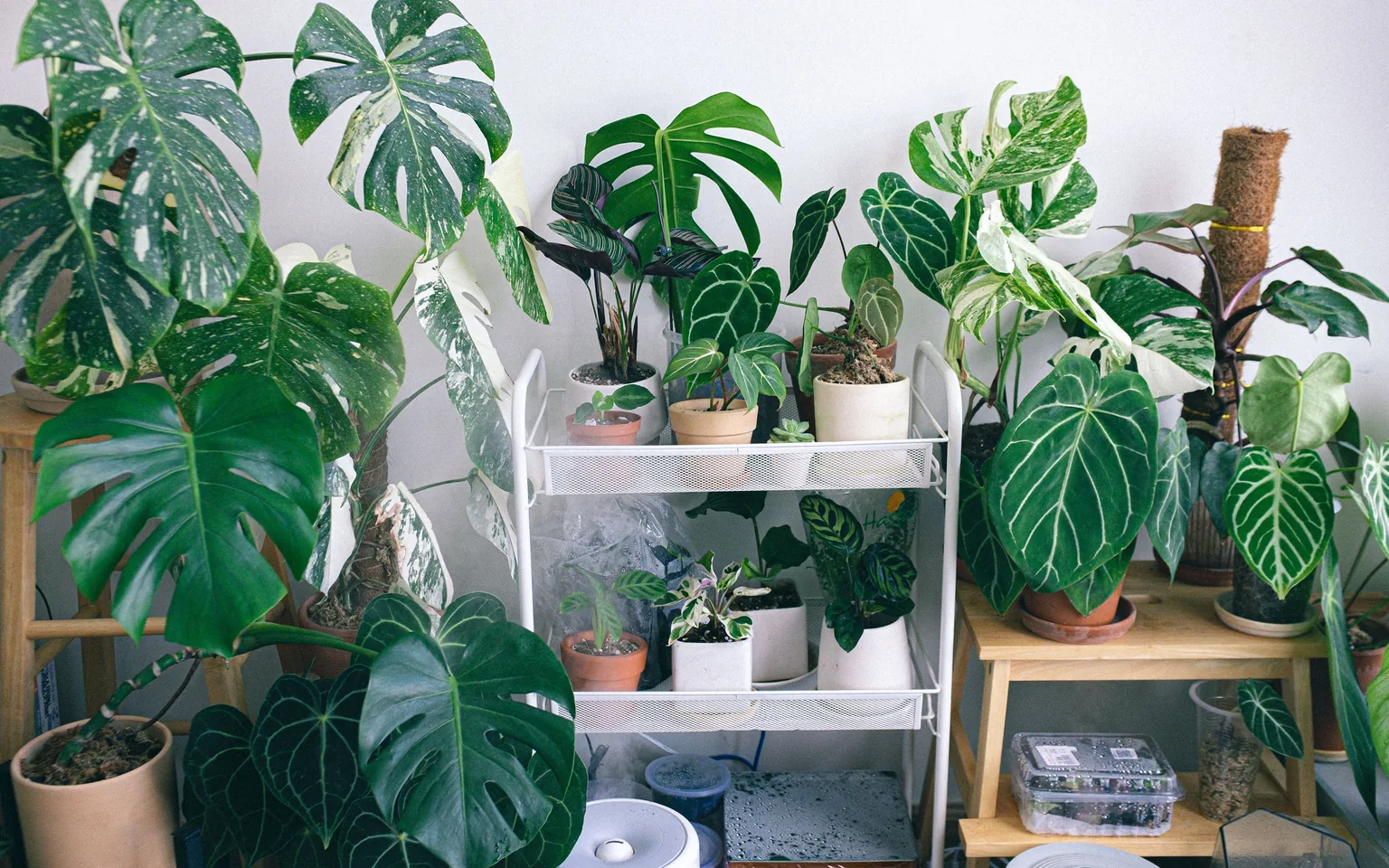
Tiny flies around office plants are annoying because they turn a plant problem into a people problem. One pot with damp soil becomes a shared irritation near desks, meeting rooms, reception counters, or break rooms. An office fungus gnat infestation is a good example of how quickly the issue becomes communal once many plants share the same space.
The good news is that fungus gnats are usually manageable. They are rarely the worst pest on houseplants, and they do not need a dramatic response. The real fix is not spraying every leaf in sight. It is changing the wet soil conditions that let the larvae survive.
Here is how to identify fungus gnats, why they often linger in office plant setups, and how to bring the population down without damaging the plants.
What Are Fungus Gnats?
Fungus gnats are small, dark flies that live around damp potting mix. The adults are the tiny flying insects people notice first, but the larvae live in the soil and feed on fungi, organic matter, and decaying material. The University of Minnesota Extension notes that fungus gnats are commonly associated with houseplants, especially overwatered soil or potting mixes high in organic matter.
Adult fungus gnats are mostly a nuisance. They are not the same as fruit flies, and they usually do not chew healthy leaves. The bigger signal is environmental: if fungus gnats are breeding, at least one pot is staying too wet for too long.
Why Office Plants Get Fungus Gnats
Offices create the perfect conditions for fungus gnats because plant care is often shared, informal, or inconsistent. One person waters on Monday, another waters again on Thursday, and no one checks whether the soil actually dried.
Common office triggers include:
- Decorative pots with no drainage holes
- Nursery pots sitting in water inside cachepots
- Dense potting mix that stays wet under low office light
- Multiple people watering the same plant
- Plants grouped close together so gnats spread easily
- Low airflow around shelves, corners, and cubicles
- New plants brought in without quarantine
Office lighting makes the problem worse. A plant under low fluorescent or LED room lighting uses water slowly. If it is watered like a plant in a sunny window, the soil stays damp and fungus gnats thrive.
How to Confirm Fungus Gnats
Before treating, make sure the flies are actually fungus gnats. They are usually small, dark, and weak-flying. They hover near the soil surface, pots, or saucers rather than around fruit or drains.
The University of Minnesota Extension guide to managing insects on indoor plants recommends yellow sticky cards to detect adult fungus gnats. Sticky traps are useful because they show where the adults are active, but they do not solve the larval problem alone.
You can also place a slice of raw potato on the soil surface for a day or two. Larvae may gather underneath it, which confirms that the problem is in the potting mix rather than only flying adults wandering through the room.
The Office Fungus Gnat Fix
Step 1: Assign One Watering Owner
The first fix is operational. Choose one person to water shared plants, or create a simple sign-up system. Multiple well-meaning people watering the same plant is one of the fastest ways to keep soil wet.
A plant does not need water because it is Tuesday. It needs water when the soil and plant condition say it does.
Step 2: Let the Top Soil Dry
Fungus gnat larvae depend on moist surface soil. Letting the top 1 to 2 inches of potting mix dry between waterings interrupts their life cycle. This does not mean neglecting the plant; it means matching watering to light, pot size, and soil.
For many office plants, especially Snake Plant, ZZ Plant, and Golden Pothos, the soil can dry more than people expect before the plant is in trouble.
Step 3: Check Every Pot for Standing Water
Lift nursery pots out of decorative containers and check for water at the bottom. If a pot has been sitting in water, empty it and let the plant drain fully.
Standing water keeps the root zone low in oxygen and creates the damp conditions fungus gnats prefer. If the plant is already yellowing or smells sour, compare the symptoms with houseplant root rot.
Step 4: Use Sticky Traps as Monitoring, Not the Only Treatment
Yellow sticky traps catch adult gnats and make the problem visible. Place traps near the worst pots, not randomly across the office. Replace them when they are covered or no longer sticky.
Sticky traps are useful, but they do not kill larvae in the soil. If traps catch fewer adults over two to three weeks while the soil is drying properly, the plan is working.
Step 5: Treat the Soil If Needed
If drying the top soil and correcting drainage do not reduce the problem, a soil-targeted treatment may be needed. The University of Minnesota Extension lists Bacillus thuringiensis subspecies israelensis as an option for fungus gnat larvae. This type of treatment targets larvae in the soil, which is more effective than spraying leaves.
Follow the product label exactly. In an office, also confirm who is allowed to apply pest treatments, especially in shared or commercial spaces.
What Not to Do
Avoid these common office mistakes:
- Do not spray every plant with random household products
- Do not add gravel to the bottom of a pot and assume it fixes drainage
- Do not keep watering on a fixed schedule while treating gnats
- Do not move infested plants next to healthy plants
- Do not blame one plant until you have checked every wet pot
Fungus gnats often come from the wettest pot, not the plant with the most visible adult flies.
Best Office Plants for Avoiding Fungus Gnats
Plants that tolerate drier soil are easier to manage in shared spaces. Good office choices include:
| Plant | Why It Helps |
|---|---|
| Snake Plant | Tolerates low light and dry soil |
| ZZ Plant | Slow-growing and drought tolerant |
| Jade Plant | Prefers drying between waterings |
| Pothos | Forgiving if drainage is good |
| Spider Plant | Handles office conditions but should not stay soggy |
Avoid putting moisture-loving plants in dark office corners unless someone can manage watering carefully.
Summary
Office fungus gnats are usually a watering and drainage problem, not a reason to panic. Identify the pest, assign one watering owner, let the soil surface dry, empty cachepots, and use sticky traps to monitor adults. If needed, treat the soil larvae directly.
The best long-term solution is a better office plant system: fewer mystery waterings, more drainage checks, and plants matched to the actual light level in the room.