Leggy Succulent? Why It’s Stretching and How to Fix It
Identify succulent etiolation, improve light safely, and decide when to rotate, prune, behead, or propagate stretched growth.
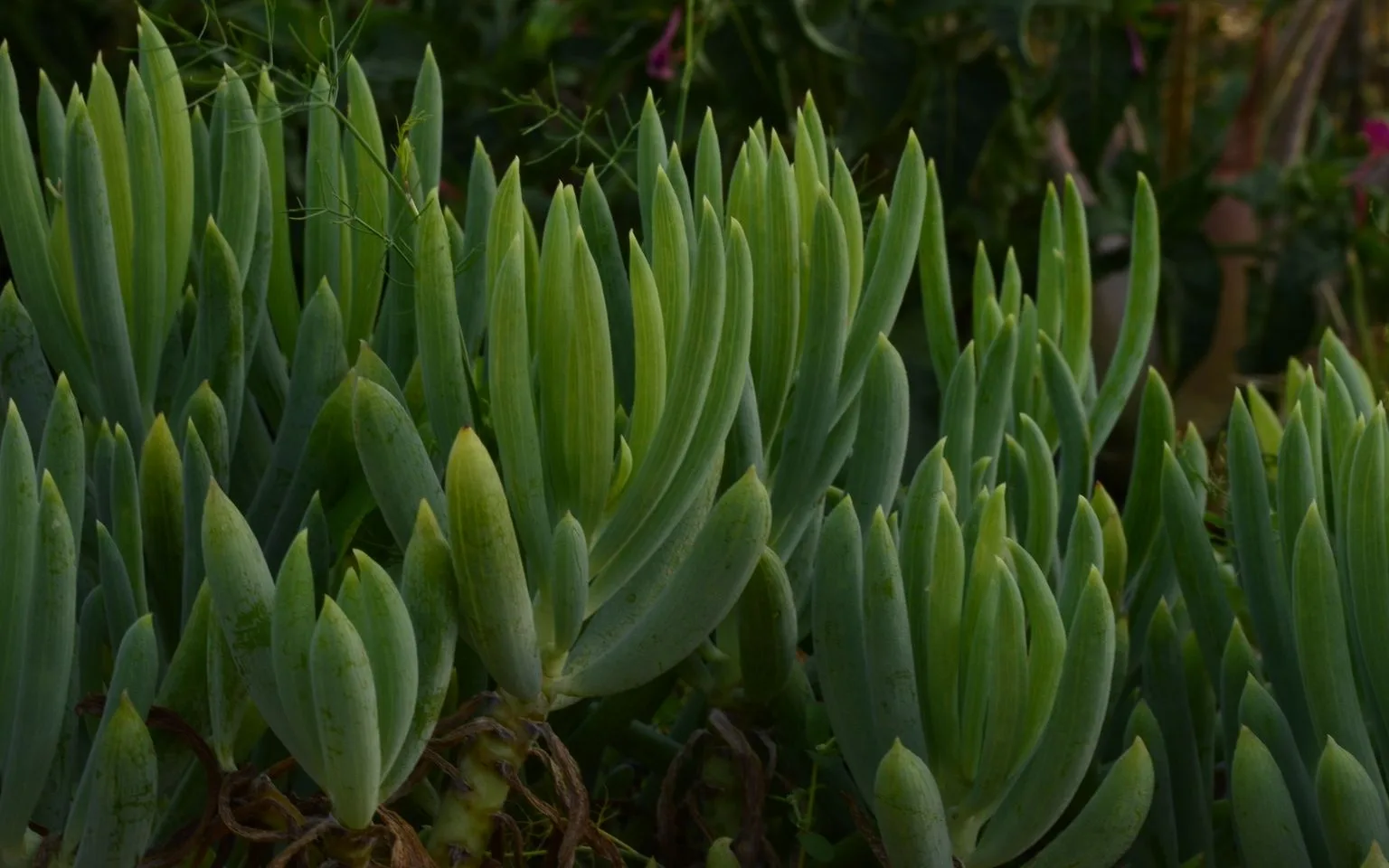
A healthy succulent should be compact, full, and tightly rosetted or bushy. When a succulent starts growing tall with large gaps between its leaves, leaning dramatically to one side, or producing pale and thin new growth, it is not just growing — it is reaching for light.
This condition is called etiolation, and it is the single most common problem indoor succulent growers face. The good news: it is easy to diagnose, easy to prevent, and fixable — though the stretched growth will never shrink back to normal.
Here is what etiolation looks like, why it happens, and what to do about it.
What Is Etiolation?
Etiolation is a plant's growth response to insufficient light. When a succulent does not receive enough light to photosynthesize efficiently, it stretches vertically to try to reach a light source. The stem elongates rapidly, the spaces between leaves widen, and the new leaves are often smaller, paler, and thinner than normal.
Etiolation is different from normal growth. A healthy Jade Plant grows upright with thick stems and closely spaced leaves. An etiolated Jade Plant grows thin, pale, and tall, with leaves far apart on a weak stem that cannot support itself.
Signs of Etiolation
| Sign | What It Looks Like |
|---|---|
| Stretched stem | The space between leaf pairs is much wider than on older growth |
| Leaning | The plant bends dramatically toward the nearest light source |
| Pale color | New growth is lighter green or yellowish instead of the plant's normal color |
| Smaller leaves | New leaves are noticeably smaller than older ones |
| Weak stem | The stem is thinner than normal and may bend under its own weight |
| Loss of rosette shape | Rosette succulents like Echeveria grow tall and lose their compact circular form |
Why Succulents Stretch
Succulents evolved in bright, sunny environments — deserts, rocky outcrops, and high-altitude slopes. Their growth habit is built around intense light. When light levels drop below their minimum, the plant's survival mechanism kicks in: grow toward the light as fast as possible.
This is different from shade-adapted houseplants like ZZ Plant or Cast Iron Plant, which evolved to tolerate low light and do not stretch in response.
The stretching comes from rapid cell elongation on the shaded side of the stem. Auxin, a plant hormone, accumulates on the darker side and causes those cells to grow longer than the cells on the lit side. The result is the plant bends and stretches toward the light.
How to Fix a Leggy Succulent
Step 1: Increase the Light Gradually
The most important step is to move the plant to a brighter location. However, you cannot simply move a succulent from a dark shelf to a full-sun window — the plant will sunburn. Move it gradually over one to two weeks:
- Days 1 to 3: Move to bright indirect light near an east or west window
- Days 4 to 7: Move closer to the brightest window in your home
- Days 8 to 14: If the plant is a sun-loving species, introduce direct morning sun for an hour, then gradually increase
Step 2: Use a Grow Light If Natural Light Is Not Enough
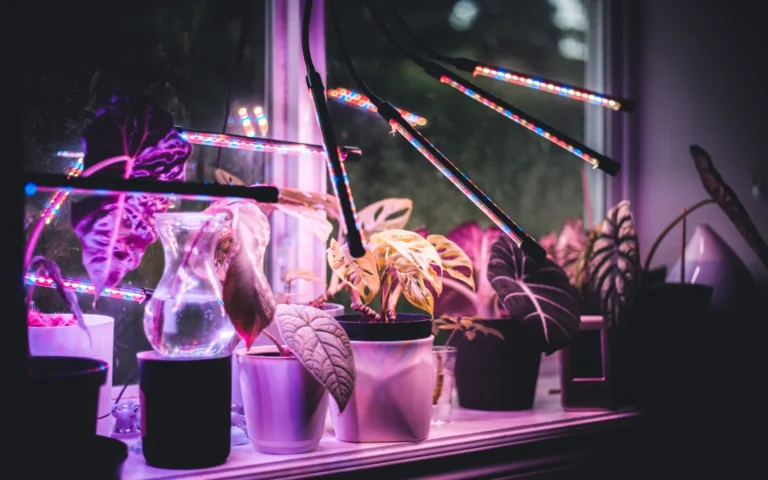
If your home does not have a south-facing or unobstructed east/west window, a full-spectrum LED grow light can provide the intensity succulents need. Position the light 6 to 12 inches (15 to 30 cm) above the plant and run it for 10 to 14 hours per day.
Grow lights are especially useful in winter, when natural light levels drop and even bright windows may not provide enough intensity for succulents.
Step 3: Rotate the Plant Regularly
Even in good light, succulents will lean toward the brightest side. Rotate the pot a quarter turn every few days so all sides receive equal light. This prevents the one-sided lean that makes etiolated succulents look lopsided.
Step 4: Prune the Stretched Growth
The stretched portion of the plant will never revert to compact growth — etiolated stems and leaves are permanently elongated. To restore a compact shape, you need to prune:
- Use clean, sharp scissors or a knife
- Cut the stretched stem just above a leaf node (where leaves meet the stem)
- Remove the cut portion — you can use it for propagation if it is healthy
- The plant will produce new growth from the cut point, and with adequate light, the new growth will be compact
Step 5: Behead and Propagate (For Severely Stretched Succulents)
If the succulent is very tall and top-heavy with a bare stem, beheading is the best option:
- Cut the rosette off the top of the stem, leaving about 1 inch (2 to 3 cm) of stem below the leaves
- Remove the lower leaves from the cutting
- Let the cutting dry for three to five days so the cut end calluses over
- Place the cutting on top of dry, well-draining succulent soil
- Wait one week before watering, then water lightly
The cutting will root and form a new compact plant. The original stump may also produce new offsets if left in place with adequate light.
For more on succulent soil requirements, see our guide on do succulents need special soil.
Which Succulents Are Most Prone to Stretching?
All succulents will etiolate in low light, but some are more sensitive than others:
| Succulent | Light Sensitivity | Minimum Light |
|---|---|---|
| Echeveria | Very high — rosette shape is quickly lost | Direct sun or very bright indirect |
| String of Pearls | High — pearls become sparse and elongated | Bright indirect to light direct sun |
| Jade Plant | Medium-high — stretches noticeably in low light | Bright indirect to some direct sun |
| Aloe Vera | Medium — leaves become thin and floppy | Bright indirect |
| Zebra Haworthia | Medium-low — tolerates lower light better than most | Bright indirect to medium indirect |
| Burro's Tail | Medium — stems stretch and lose fullness | Bright indirect to some direct sun |
How to Prevent Etiolation
Prevention is simple: provide enough light from the start. The most common mistake is treating succulents like ordinary houseplants. While a Snake Plant or Pothos can thrive in medium indirect light, most succulents need the brightest spot in your home.
Checklist for Preventing Leggy Growth
- Place succulents within 12 inches (30 cm) of a bright window
- South-facing windows are ideal; east or west are acceptable
- Rotate the pot every few days
- Use a grow light supplement in winter
- Watch for early signs — if new leaves are smaller or paler, move the plant before it stretches
Related Problems
Etiolation is a light problem, but it often comes with secondary issues:
- Overwatering risk — an etiolated succulent uses less water than a compact one because it has less active growth. In the same soil, it will stay wet longer and is more susceptible to root rot.
- Pest susceptibility — stressed, etiolated plants are more vulnerable to common houseplant pests.
- Leaf drop — severely stretched stems may drop lower leaves as they cannot support the weight.
Summary
| Question | Answer |
|---|---|
| Why is my succulent stretching? | Not enough light — the plant is reaching for a light source |
| Will stretched growth shrink back? | No — etiolated growth is permanent |
| How do I fix it? | Increase light gradually, then prune or behead the stretched parts |
| How do I prevent it? | Place succulents in the brightest spot available and rotate regularly |
The sooner you catch etiolation, the less pruning you will need to do. Check your succulents weekly for signs of stretching, especially during winter when light levels drop.