How to Repot a Houseplant: A Beginner’s Step-by-Step Guide
Learn how to repot a houseplant step by step, including when to repot, choosing the right pot, soil tips, and how to help your plant adjust.
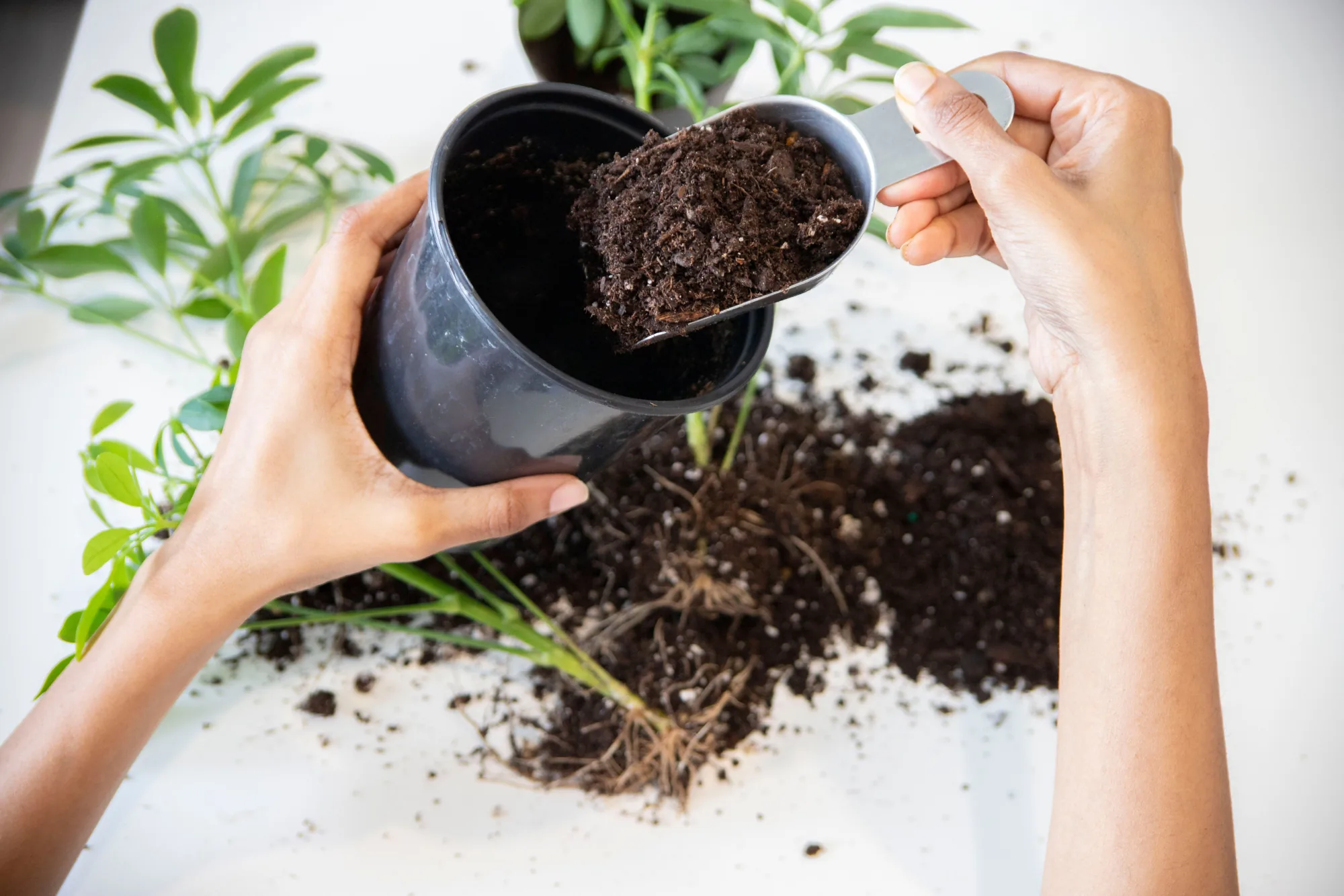
Repotting a houseplant can feel intimidating at first.
Many beginners worry about damaging the roots, choosing the wrong pot, or accidentally stressing a plant during the process. But repotting is actually a normal part of plant care — and when done correctly, it gives your plant more space, healthier soil, and a better environment to grow.
The key is knowing when to repot, what materials to prepare, and how to move your plant safely into its new home.
Whether you are caring for an easy-going Snake Plant, a fast-growing Pothos, or a tropical favorite like Monstera, this beginner-friendly guide will walk you through the process step by step.
Why Do Houseplants Need Repotting?
Houseplants usually stay in the same container for months or even years. Over time, several problems can appear:
- Roots become crowded and start circling inside the pot
- Soil loses nutrients and structure
- Water drains too quickly or stays wet for too long
- The plant becomes unstable as it grows larger
Repotting does not always mean moving to a much bigger pot. Sometimes, your plant simply needs fresh soil or a better-quality container.
A healthy root system is the foundation of a healthy houseplant.
How Do You Know When Your Plant Needs Repotting?
Not every plant needs to be repotted every year. Instead, look for signs that your plant has outgrown its current home.
Roots Are Growing Out of the Drainage Holes
This is one of the clearest signs.
When roots start escaping from the bottom of the pot, the plant may need more space.
Plants with strong root systems, such as ZZ Plant and Snake Plant Laurentii, can stay in their pots for a long time, but eventually they may become root-bound.
Water Runs Through the Pot Too Quickly
If water immediately flows through the drainage holes without soaking into the soil, the roots may have taken over most of the space.
This is common with fast-growing plants like:
- Pothos
- Spider Plant
- Arrowhead Plant
Your Plant Is Growing More Slowly Than Before
A plant that was once growing well but has suddenly slowed down may be lacking nutrients or root space.
For example, tropical foliage plants such as Rubber Plant and Prayer Plant often benefit from fresh soil when their growth slows.
The Plant Looks Too Large for Its Pot
Sometimes the problem is simply balance.
A large plant in a small container may become unstable and easily tip over.
This is especially common with upright plants such as:
- Rubber Plant
- Dracaena varieties
- Snake Plant
What You Need Before Repotting
Before starting, prepare everything you need.
Choose the Right New Pot
The new pot should usually be:
- 2–5 cm wider than the current pot
- Equipped with drainage holes
- Suitable for your plant’s growth habit
Avoid choosing a container that is dramatically larger.
A pot that is too big can hold excess moisture, increasing the risk of root problems.
For plants that prefer dry conditions, such as Aloe Vera, Jade Plant, and ZZ Plant, a smaller step-up pot is usually better.
Prepare the Right Soil Mix
Different plants prefer different soil conditions.
For Tropical Houseplants
Plants like:
- Monstera
- Philodendron
- Pothos
- Prayer Plant
usually prefer a loose, well-draining mix that allows both moisture retention and airflow.
For Succulents and Drought-Tolerant Plants
Plants like:
- Aloe Vera
- Jade Plant
- Snake Plant
prefer faster-draining soil because their roots are sensitive to staying wet for too long.
Choosing the right soil is one of the easiest ways to improve long-term plant health.
How to Repot a Houseplant Step by Step
Step 1: Prepare Your New Pot
Place a small amount of fresh soil at the bottom of the new container.
The goal is to position the plant at the same height it was growing before.
Avoid burying the stem deeper than before, as this can cause stress or rot.
Step 2: Remove the Plant From Its Current Pot
Gently loosen the soil around the edges of the container.
Hold the plant near the base and carefully slide it out.
If the plant feels stuck:
- Tap the sides of the pot
- Squeeze flexible plastic containers
- Use a clean tool to loosen the edges
Avoid pulling hard on the leaves or stems.
Step 3: Check and Loosen the Roots
Once removed, inspect the roots.
Healthy roots are usually:
- Firm
- Light-colored
- Spread throughout the soil
If roots are tightly circling around the outside, gently loosen them with your fingers.
Plants like Snake Plant and ZZ Plant often develop dense root systems, so a little loosening can help them grow into their new container.
Step 4: Add Fresh Soil Around the Plant
Place the plant in the center of the new pot.
Add fresh soil around the sides and gently press it down.
Do not compact the soil too tightly. Roots need oxygen as well as water.
Leave a small gap at the top of the pot to make watering easier.
Step 5: Water and Let Your Plant Adjust
After repotting, water your plant thoroughly until water drains from the bottom.
Then place it back in a suitable location.
For the first few weeks:
- Avoid heavy fertilizing
- Avoid unnecessary moving
- Watch for signs of stress
Some leaf drooping after repotting is normal while the plant adjusts.
Best Time to Repot Houseplants
The best time to repot most indoor plants is during their active growing season, usually:
- Spring
- Early summer
During this period, plants recover faster because they naturally produce new roots.
However, if your plant is severely root-bound or the soil has serious problems, repotting may still be necessary outside this period.
Common Repotting Mistakes Beginners Make
Choosing a Pot That Is Too Large
Bigger is not always better.
A much larger pot can hold too much moisture and slow root development.
Disturbing Healthy Roots Too Much
Repotting does not mean completely removing all soil.
Healthy roots do not need aggressive cleaning unless there is a specific problem.
Adding Fertilizer Immediately
Fresh soil already contains nutrients.
Adding fertilizer too soon can stress recently disturbed roots.
Wait until your plant has adjusted and begins new growth.
Repotting Too Frequently
Some plants actually prefer staying slightly root-bound.
For example, ZZ Plant, Snake Plant, and many succulents are naturally slow-growing and may only need repotting every few years.
Final Thoughts
Repotting is not about giving your plant a perfect new home overnight.
It is about creating better conditions for long-term growth.
Start by observing your plant. Check the roots, understand its watering needs, and choose a pot that matches its natural growth style.
Whether you are repotting your first Spider Plant, refreshing soil for a Rubber Plant, or upgrading a growing Monstera, the process becomes much easier with practice.
Healthy plants are built through small, consistent care decisions.
Find the Right Plant for Your Home
Not sure which plant matches your space and lifestyle?
Use the House Plant Finder to discover plants based on your light conditions, watering habits, and care preferences.