
Plant Collection
Full Sun Houseplants
Full sun houseplants are plants that can use the brightest indoor positions: sunny windowsills, south- or west-facing windows, enclosed balconies, and rooms that receive several hours of direct light. This is different from a bright room with filtered light. Many popular tropical houseplants prefer bright indirect light and can scorch if moved suddenly into strong sun.
This collection focuses on sunny window plants and full sunlight houseplants that can handle stronger light when they are acclimated properly. Direct sun can support compact growth, stronger color, and better flowering in the right plant. It can also dry pots faster, bleach leaves, and overheat small containers. The best full sun houseplants are chosen for both light tolerance and practical indoor care.
What Full Sun Means Indoors
Indoors, full sun usually means the plant receives direct sunlight through glass for several hours. In the Northern Hemisphere, south-facing windows are often the strongest. West-facing windows can be hot in the afternoon. East-facing windows give gentler morning sun and may suit plants that like bright light but not harsh heat.
Glass, curtains, trees, neighboring buildings, window screens, and season all change the intensity. A plant that handles winter sun may scorch in summer. A plant grown in a shaded greenhouse may burn even if the species is sun tolerant. Acclimation matters: move plants gradually into stronger light over one or two weeks when possible.
Full sun also changes watering. A pot in direct light dries faster than the same pot across the room. Succulents may enjoy that dry-down. Tropical plants may need more frequent checks. Do not assume every direct sun houseplant wants the same schedule.
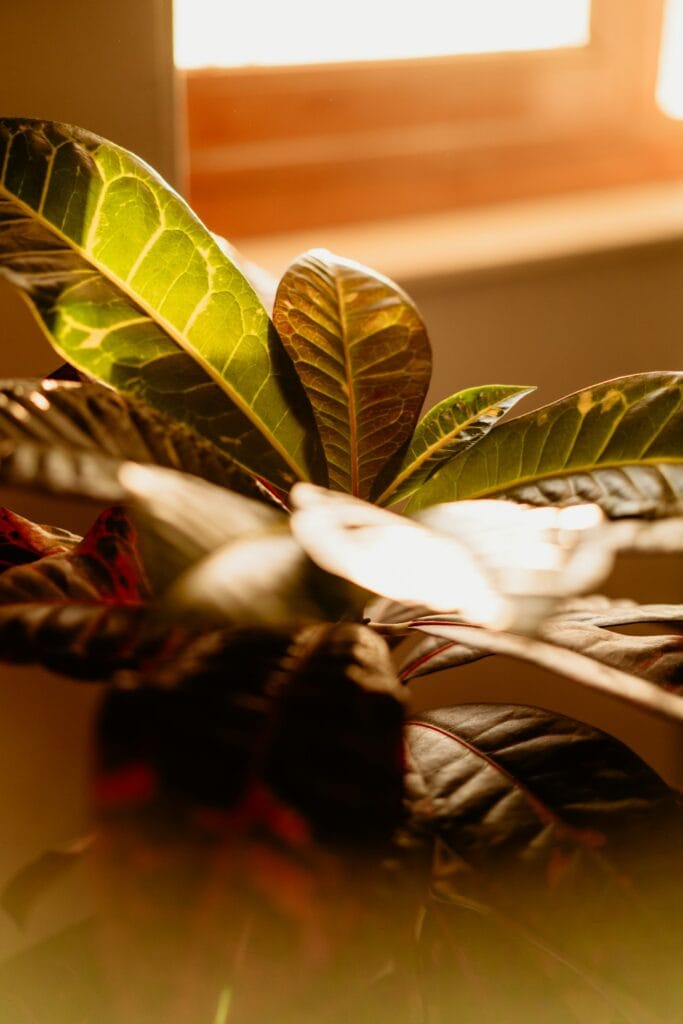
5 Full Sun Houseplants for Bright Indoor Spaces
These five full sun houseplants offer different uses: a seasonal flowering plant, a compact tree-like succulent, a colorful foliage shrub, a flowering vine, and a fragrant climber. All need bright conditions, but their care routines are not identical.
1. Madagascar Periwinkle
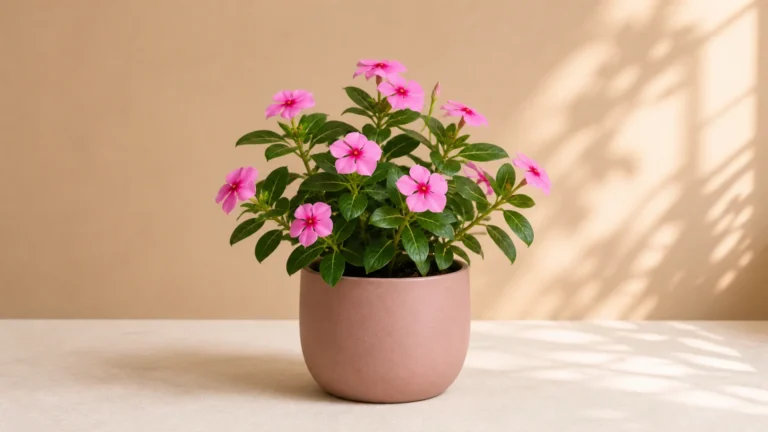
Madagascar Periwinkle is a warm-season flowering plant for the brightest indoor positions, sunny balconies, and seasonal patio containers. It blooms best with strong light, warmth, and fast-draining soil, making it a better full sun example than plants that only tolerate direct light occasionally.
Give Madagascar Periwinkle the strongest indoor light available, or use it outdoors in full sun during warm weather. Water when the surface dries, then drain thoroughly. It dislikes prolonged saturation, cool wet soil, and dim rooms where flowering quickly weakens.
This plant is not pet-safe, and every part should be kept away from children and animals. Treat it as a bright flowering container plant, not as a casual chew-accessible windowsill plant.
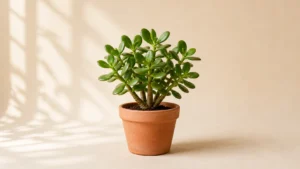
2. Jade Plant
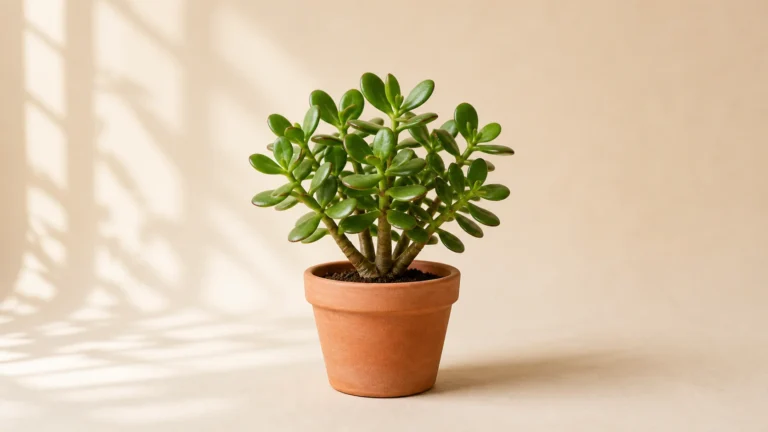
Jade Plant is a classic sunny window plant with thick leaves and a slow tree-like shape. Bright light supports shorter internodes, stronger branching, and a more balanced form. In low light, it may stretch and stay wet too long after watering.
Use a pot with drainage and avoid oversized containers. Let the soil dry substantially before watering again. Rotate the pot occasionally so the plant does not lean hard toward the glass.
Jade is low maintenance when light and drainage are right. It is not pet-safe, and dropped leaves can be tempting to curious animals, so keep the plant out of reach.
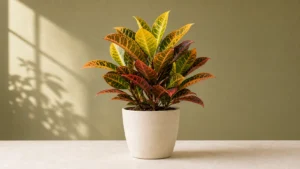
3. Croton
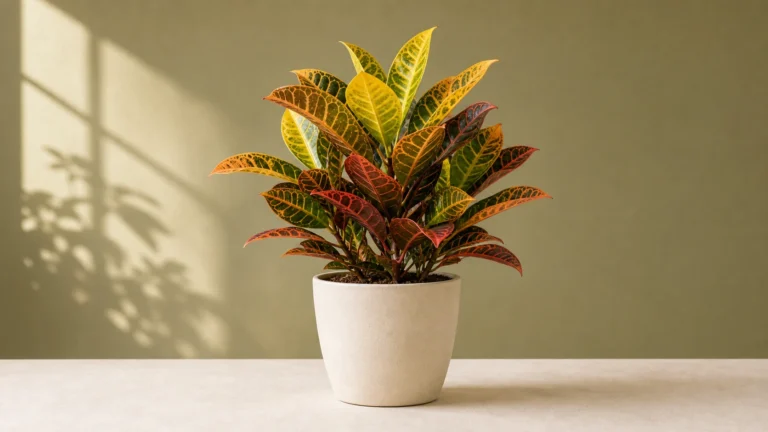
Croton brings strong color to a full sun houseplants collection. Its red, yellow, orange, and green leaves need high light to hold their best color. A dim room can make the plant duller and more likely to drop leaves after stress.
Croton is not a dryland succulent. It likes bright light, warmth, and more consistent moisture than Aloe or Jade. Let the top of the mix begin to dry, then water thoroughly. Avoid cold drafts, sudden moves, and repeated dry-wet extremes.
Choose Croton when you want a colorful focal plant for a bright room. Acclimate it to direct sun rather than moving it straight from filtered nursery light into harsh afternoon exposure.
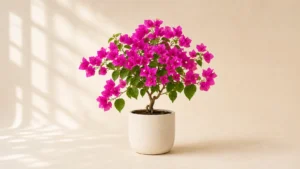
4. Bougainvillea
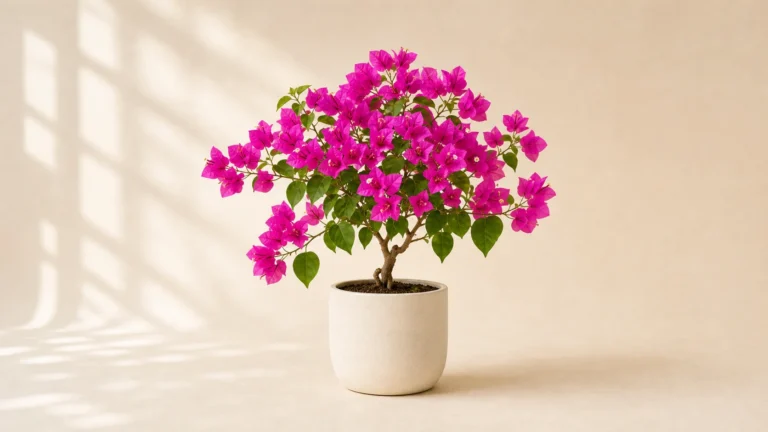
Bougainvillea is for the brightest window, sunroom, balcony, or seasonal indoor-outdoor setup. It is a woody vine grown for vivid papery bracts, and it needs much more light than the average foliage houseplant.
Direct sun supports stronger growth and better flowering potential. Without enough light, Bougainvillea often makes long green stems and few bracts. Use a container that drains well, avoid constantly wet soil, and expect pruning to be part of the routine.
This is not the easiest plant for a dim winter apartment. Choose it when you can provide several hours of direct sun and enough space to manage thorny, vigorous stems.
5. Star Jasmine
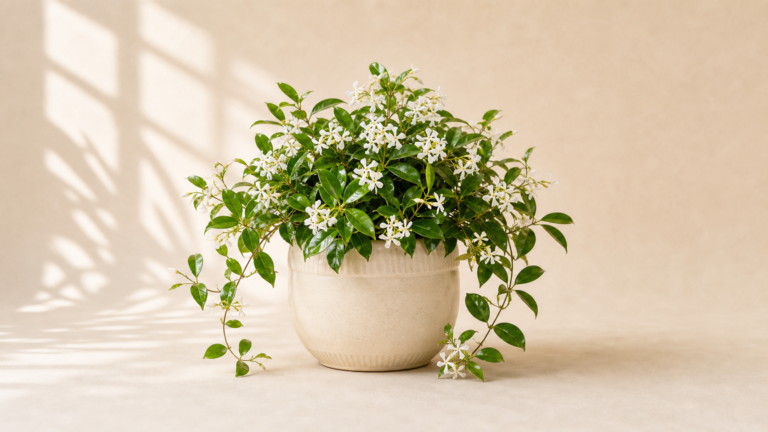
Star Jasmine gives the full sun category a fragrant climbing option. It can use abundant light and suits a bright window, trellis, patio container, or indoor-outdoor seasonal setup. Compared with succulents, it needs more consistent watering and support.
Give Star Jasmine strong light, a draining pot, and a structure for twining stems. Water when the upper mix has dried, but do not let a flowering plant collapse from repeated drought. Prune to keep the plant within its space and to remove tangled or weak growth.
Choose Star Jasmine if you want flowers, fragrance, and a climbing shape rather than another succulent. It needs attention to training, but the light requirement makes sense in a sunny collection.
Browse More Full Sun Houseplants
Browse plants assigned to the existing Full sunlight taxonomy below. This full sunlight houseplants group is useful for comparing high-light indoor plants, but open each Plant guide before moving a plant into direct sun, especially if it has been grown under filtered light.
-

Agave isthmensis Agave isthmensis
Agave isthmensis
A tiny, crab-shell-like agave from southern Mexico with blue-green leaves and red-brown teeth, perfect for a bright windowsill.
-
Agave potatorum Agave potatorum
Agave potatorum
A compact, heavily spined agave with short broad leaves, popular in the succulent trade and known in China as the Leishen or thunder-god agave.
-
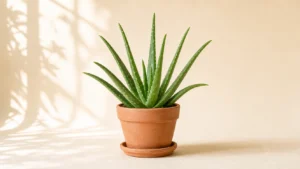
Aloe Vera Aloe Vera
Aloe vera
A sun-loving succulent with fleshy leaves that stores water and works well for bright windowsills and dry homes.
-
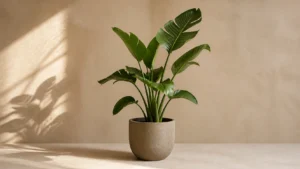
Bird of Paradise Bird of Paradise
Strelitzia nicolai
A large tropical statement plant with upright stalks and broad paddle-shaped leaves that needs very bright indoor light and generous space.
-
Bougainvillea Bougainvillea
Bougainvillea spp.
A sun-hungry woody vine with vivid papery bracts, best grown as a patio container plant that overwinters at the brightest window available.
-
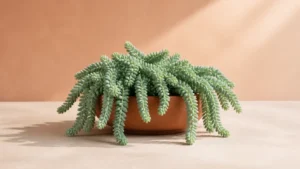
Burro’s Tail Burro’s Tail
Sedum morganianum
A cascading curtain of plump blue-green beads — the most dramatic trailing succulent, as long as you resist touching it.
-
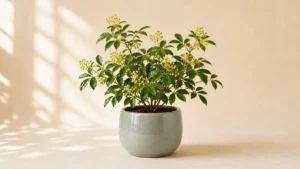
Chinese Perfume Plant Chinese Perfume Plant
Aglaia odorata
A fragrant subtropical shrub with glossy leaves and tiny yellow flowers that needs bright light, warmth, and careful watering indoors.
-
Croton Croton
Codiaeum variegatum
A colorful tropical shrub whose thick patterned leaves stay brightest with strong light, steady warmth, and consistent care.
-
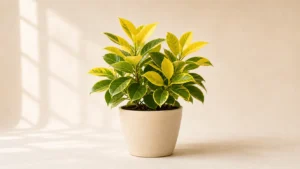
Golden Leaves Ficus Golden Leaves Ficus
Ficus microcarpa 'Golden Leaves'
A golden-leaved Chinese Banyan cultivar that needs strong light, warmth, careful watering, and a stable indoor position.
-
Jade Plant Jade Plant
Crassula ovata
A long-lived tree-like succulent with thick oval leaves that stays compact with strong light, a gritty root zone, and thorough but infrequent watering.
-
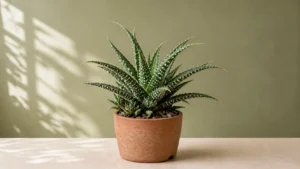
Lace Aloe Lace Aloe
Aristaloe aristata
A compact rosette succulent with white-speckled leaves, soft bristled tips, easy offsets, and a modern botanical identity outside the Aloe genus.
-
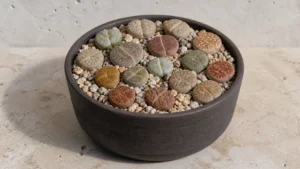
Lithops Lithops
Lithops spp.
Tiny southern African succulents with pebble-like paired leaves, translucent surface windows, and unexpectedly large daisy-like flowers.
How to Choose Full Sun Houseplants
Measure the Actual Sun
Count how many hours of direct light reach the plant position. A bright room is not always full sun. A south window with no obstruction is very different from a shaded window across the room.
Acclimate Before Committing
Even high light indoor plants can burn when moved too quickly. Start with shorter exposure or filtered light, then increase direct sun while watching for bleaching, brown dry patches, or sudden leaf drop.
Adjust Watering to Stronger Light
Sunny pots often dry faster. Succulents may prefer this. Tropical plants such as Croton may need closer checks. Always match watering to the plant, pot, season, and soil.
Check Heat and Pet Safety
Glass can create hot pockets near windows. Keep leaves away from scorching glass in summer, and check whether the plant is safe for pets before using a floor pot or low windowsill.
Full Sun Houseplants FAQ
What does full sun mean for an indoor plant?
It usually means several hours of direct sunlight through a window. The exact strength depends on window direction, season, glass, shade, and distance from the window.
Which window is best for full sun houseplants?
South-facing windows are often strongest in the Northern Hemisphere. West-facing windows can also provide intense afternoon sun. East-facing windows are gentler and may be better for plants that scorch easily.
Can bright indirect light replace direct sun?
For some bright light houseplants, yes. For plants that need direct sun to flower or stay compact, bright indirect light may keep them alive but not at their best.
How do I acclimate a houseplant to direct sunlight?
Move it gradually. Start with filtered light or shorter sun exposure, then increase the time over one or two weeks. Watch the newest leaves and exposed edges for burn.
Why are leaves bleaching or developing dry patches?
The plant may have been moved into stronger light too quickly, placed against hot glass, or allowed to dry too severely. Shift it back slightly and reintroduce sun more slowly.
Need a more specific match?
Use the Plant Finder to compare light, watering, pet safety, and room conditions together.