Do Succulents Need Special Soil? What to Use and Why Regular Potting Mix Fails
Learn why succulents need fast-draining soil, which ingredients work, and how to mix suitable potting media for different succulent types.
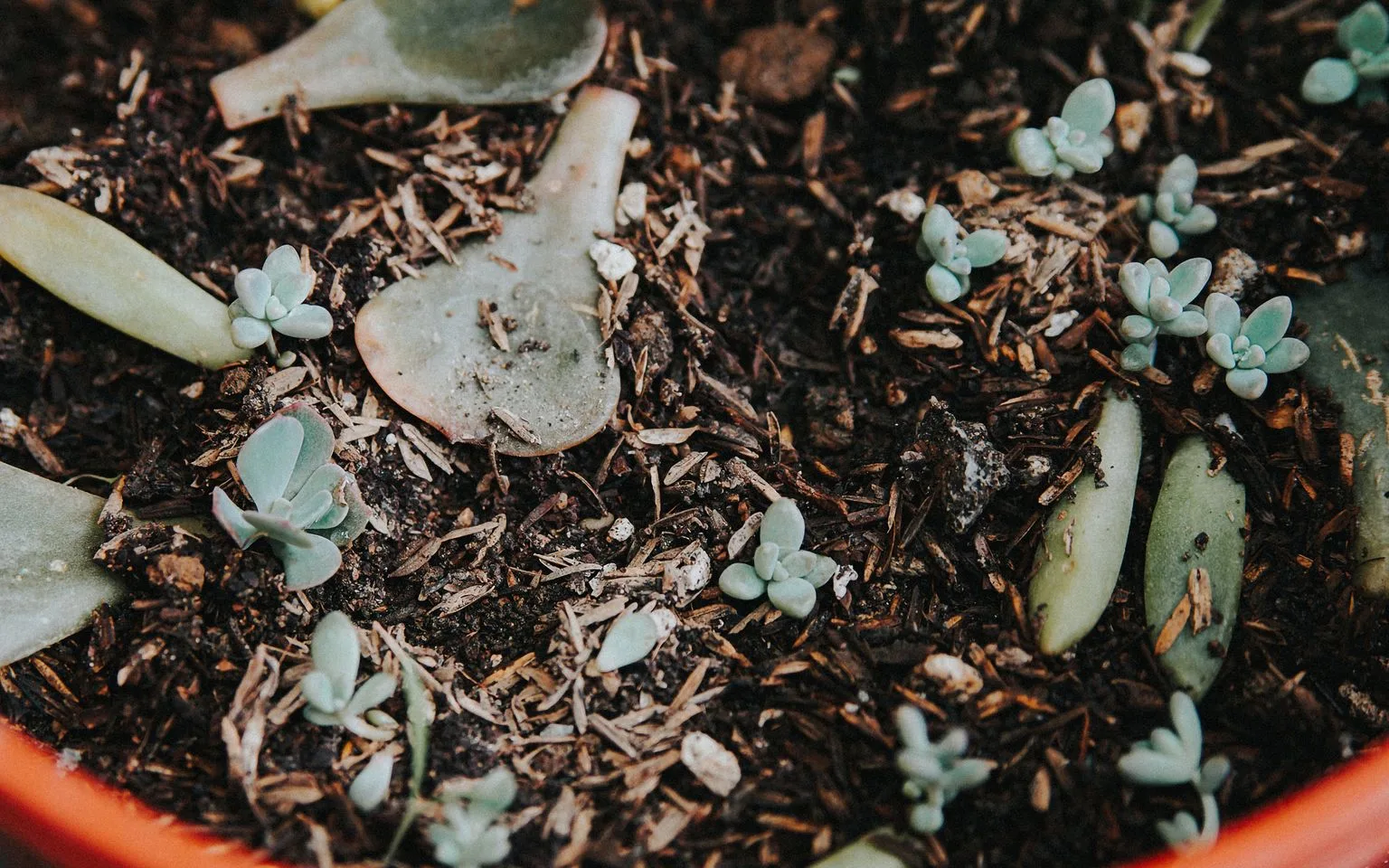
If you have ever planted a succulent in standard potting mix and watched it rot within a few weeks, you already know the answer to this question. Yes — succulents need special soil, and the reason comes down to one simple fact: regular potting mix holds too much water.
Succulents and cacti evolved in environments where rain is infrequent and soil dries quickly between downpours. Their roots are adapted to absorb water fast and then sit in dry, airy conditions. When those roots sit in wet soil for days at a time, they suffocate and rot.
Here is why regular potting mix does not work, what makes good succulent soil, and how to choose or mix your own.
Why Regular Potting Mix Fails for Succulents
Standard houseplant potting mix is engineered to hold moisture. Its main ingredients — peat moss or coco coir — act like sponges, absorbing water and releasing it slowly over days. This is ideal for tropical foliage plants like Peace Lily or Boston Fern, which evolved in humid environments where soil rarely dries completely.
Succulents have the opposite need. Their roots require rapid drainage and plenty of oxygen between waterings. In standard potting mix, the soil stays wet for so long that the fine, water-absorbing roots of succulents begin to decompose. Once root rot sets in, the plant cannot absorb water even when the soil is wet, which leads to the confusing symptom of a succulent shriveling in wet soil.
What Makes Good Succulent Soil
Good succulent soil does three things:
1. Drains Quickly
Water should pass through the soil and exit the pot within seconds, not minutes. After watering, the soil should feel barely damp — not saturated — within an hour.
2. Retains Minimal Moisture
Unlike regular potting mix that holds water for days, succulent soil should be dry to the touch within two to four days after watering, depending on temperature and airflow.
3. Provides Root Aeration
Succulent roots need oxygen as much as they need water. The soil must have enough coarse particles — perlite, pumice, or coarse sand — to create permanent air pockets that do not collapse when wet.
Key Ingredients in Succulent Soil
| Ingredient | Purpose | Proportion |
|---|---|---|
| Coco coir or peat moss | Provides minimal structure and holds just enough moisture for roots to access | 30 to 40% |
| Perlite | Creates drainage and air pockets — the single most important amendment for succulents | 30 to 40% |
| Coarse sand or poultry grit | Adds weight and improves drainage — use only coarse grades, never fine sand | 10 to 20% |
| Pumice | Alternative to perlite — heavier and does not float to the top over time | 20 to 30% (substitutes for perlite) |
| Bark fines or compost | Optional — adds a small amount of organic matter and nutrients | 5 to 10% |
DIY Succulent Soil Recipe
Making your own succulent soil is cheaper and more customizable than buying pre-made bags, and the ingredients are available at any garden center.
Basic Recipe (All-Purpose Succulent Mix)
- 1 part coco coir or peat moss
- 1 part perlite (or pumice)
- 1 part coarse sand or poultry grit
This 1:1:1 ratio works for most common succulents, including Jade Plant, Aloe Vera, Zebra Haworthia, and Burro's Tail.
High-Drainage Recipe (Cacti and Rots-Prone Succulents)
- 1 part coco coir or peat moss
- 2 parts perlite or pumice
- 1 part coarse sand or poultry grit
Use this ratio for desert cacti, String of Pearls, and any succulent that has previously shown signs of rotting in standard mixes.
Less-Drainage Recipe (Thick-Leaf Succulents in Dry Homes)
- 2 parts coco coir or peat moss
- 1 part perlite
- 1 part coarse sand
Use this only for thick-leafed succulents in very dry homes where the 1:1:1 mix dries out too fast and the plant shows signs of underwatering (wrinkled, deflated leaves).
Store-Bought Succulent Soil: What to Look For
If you prefer to buy pre-made succulent or cactus soil, check the ingredient list before buying. A good commercial mix should contain:
- A base of peat moss, coco coir, or compost
- Perlite, pumice, or sand as the primary drainage component
- No water-retention crystals or moisture-holding polymers (these defeat the purpose)
Many commercial cactus and succulent mixes are excellent as-is. Others lean too heavy on organic matter and benefit from additional perlite. A safe approach: buy a commercial succulent mix and add one extra part of perlite to improve drainage.
Do All Succulents Need the Same Soil?
Not exactly. While all succulents need faster drainage than regular houseplants, the ideal ratio varies:
| Succulent type | Drainage need | Recommended mix |
|---|---|---|
| Desert cacti (Bunny Ear, Barrel) | Very high | 1 part coir : 2 parts perlite : 1 part sand |
| Rosette succulents (Echeveria, Sempervivum) | High | 1:1:1 basic recipe |
| Leafy succulents (Jade Plant, Aloe Vera) | High | 1:1:1 basic recipe |
| Trailing succulents (String of Pearls, Burro's Tail) | High — rots easily | 1:2:1 high-drainage recipe |
| Haworthia, Gasteria | Medium-high | 1:1:1 with extra handful of bark |
| Holiday cacti (Christmas Cactus) | Medium | 2 parts coir : 1 part perlite : 1 part bark |
Christmas Cactus is a special case — it is an epiphytic cactus from tropical rainforests, not a desert plant. It prefers more organic matter and moisture than true succulents.
Signs Your Succulent Soil Is Wrong
- Leaves feel mushy and look translucent → soil holds too much water (overwatering + poor drainage)
- Leaves wrinkle and feel soft but soil is dry → soil drains too fast without enough moisture retention, or the plant is root-bound
- Roots are brown and mushy when you unpot → root rot from soil that stays wet too long — repot immediately into a better-draining mix
- Plant is stable but not growing → soil may be exhausted of nutrients — refresh or repot
How Often to Replace Succulent Soil
Succulent soil breaks down more slowly than regular potting mix because the organic content is lower, but it still degrades over time. Perlite and sand do not decompose, but coco coir and peat moss gradually compact and lose their structure.
Plan to refresh succulent soil every 12 to 18 months. If you notice the soil compacting, draining more slowly, or the plant has been in the same pot for over a year, it is time to repot. See our repotting guide for the process.
Common Mistakes to Avoid
- Using sand from the beach or garden — fine sand compacts and blocks drainage. Only use coarse builder's sand or poultry grit.
- Adding gravel at the bottom of the pot — this creates a perched water table and makes drainage worse. See our houseplant care myths article for why.
- Using a pot without drainage holes — even the best soil cannot save a plant in a pot with no exit for water. Always use pots with drainage holes.
- Mixing in garden soil — garden soil contains pathogens and compacts in containers. Never use it for potted plants.
Summary
| Question | Answer |
|---|---|
| Do succulents need special soil? | Yes — regular potting mix holds too much water |
| What is the key ingredient? | Perlite or pumice — 30 to 40% of the mix |
| Can I make my own? | Yes — 1 part coir : 1 part perlite : 1 part coarse sand |
| Can I use regular potting mix with added perlite? | Yes — add at least 50% perlite by volume |
| How often to replace? | Every 12 to 18 months |
The bottom line: succulents do not need complicated soil, but they do need soil that drains. A simple mix of coco coir, perlite, and coarse sand in equal parts will outperform most commercial mixes and keep your succulents healthy for years.