Why Are My Houseplant Leaves Turning Yellow? Common Causes and Fixes
Learn why houseplant leaves turn yellow and how to fix common problems like overwatering, low light, nutrient issues, and natural aging.
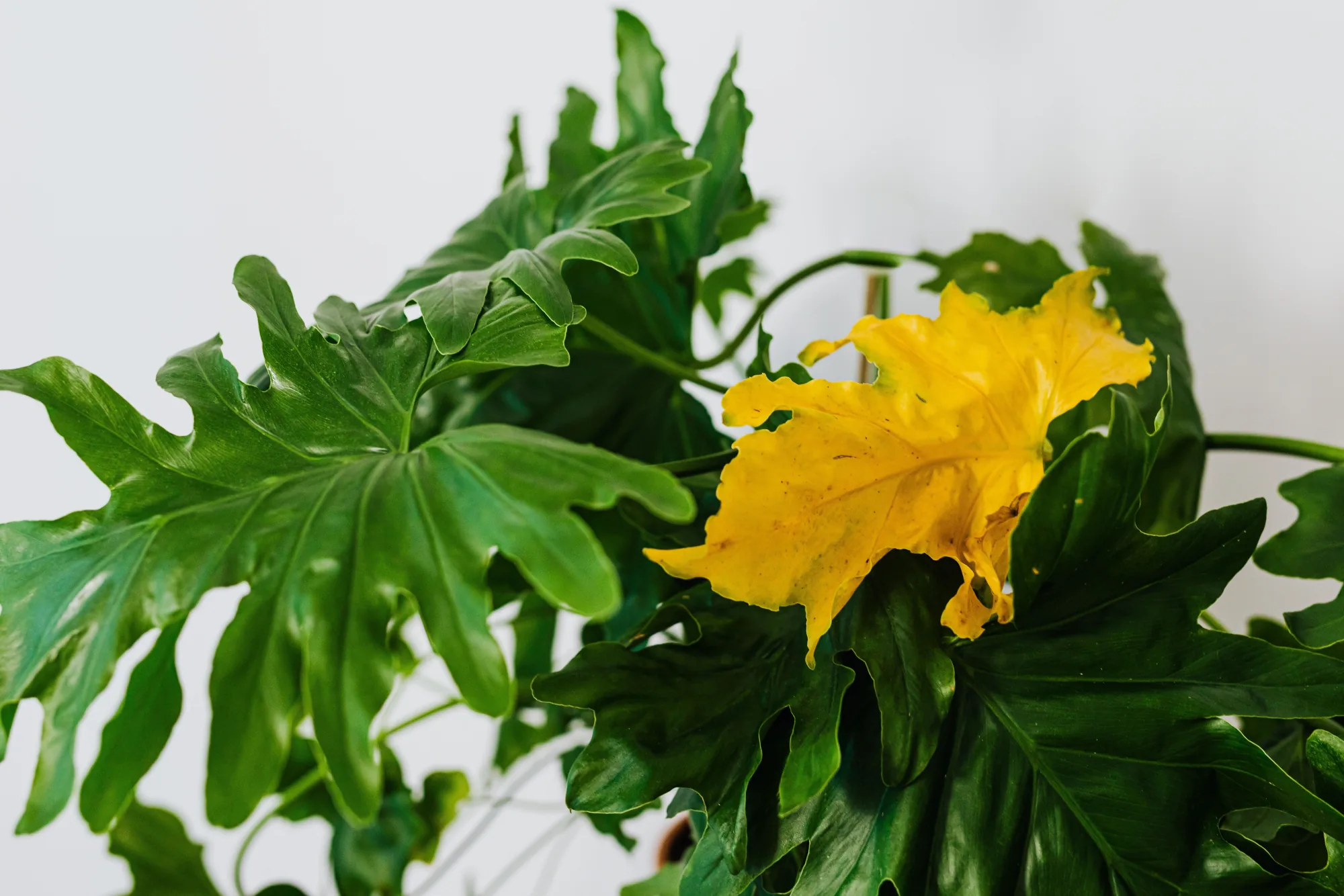
Few things are more worrying for a plant owner than seeing healthy green leaves slowly turn yellow.
You may start asking:
“Am I watering too much?”
“Does my plant need more sunlight?”
“Is something wrong with the soil?”
Yellow leaves are one of the most common signs that a houseplant is experiencing stress. However, yellowing does not always mean the same thing. A single old leaf turning yellow can be completely normal, while many yellow leaves appearing at the same time may indicate a care problem.
The key is understanding what your plant is trying to tell you.
In this guide, we will look at the most common reasons houseplant leaves turn yellow and how to help your plant recover.
Is a Yellow Leaf Always a Problem?
Before changing anything, take a moment to observe the pattern.
Plants naturally replace older leaves. If only one or two lower leaves are turning yellow while the rest of the plant looks healthy, this may simply be part of the plant’s natural growth cycle.
However, you should pay closer attention if:
- Multiple leaves turn yellow quickly
- New leaves become yellow
- Leaves feel soft or fall easily
- The soil stays wet for a long time
- The plant stops growing
These signs usually mean the plant’s environment needs adjustment.
1. Overwatering: The Most Common Cause of Yellow Leaves
The most common reason houseplant leaves turn yellow is overwatering.
Many beginners assume that yellow leaves mean a plant needs more water. But in many cases, the opposite is true.
When soil stays wet for too long, plant roots cannot get enough oxygen. Over time, stressed roots become less effective at absorbing water and nutrients, causing leaves to turn yellow.
Signs of overwatering include:
- Yellow leaves with soft texture
- Soil that remains wet for many days
- A bad smell from the soil
- Mushy stems
- Fungus gnats around the pot
Plants that are especially sensitive to overwatering include:
- Snake Plant
- ZZ Plant
- Aloe Vera
- Rubber Plant
These plants prefer their soil to dry between waterings.
If your plant is overwatered, stop watering temporarily and allow the soil to dry. Check whether the pot has proper drainage before continuing your normal care routine.
2. Underwatering: When Plants Become Too Dry
Although overwatering is more common, underwatering can also cause yellow leaves.
When a plant does not receive enough water, it cannot transport moisture and nutrients effectively. Leaves may become yellow, dry, crispy, or curled.
Signs of underwatering include:
- Dry soil pulling away from the edge of the pot
- Drooping leaves
- Crispy brown edges
- A very lightweight pot
Plants with thinner leaves, such as some Calathea and Peace Lily varieties, may show stress faster than drought-tolerant plants.
If the soil is extremely dry, water slowly and thoroughly. Avoid adding a large amount of water all at once because very dry soil may not absorb moisture evenly.
3. Not Enough Light
Light problems are another common reason for yellow leaves.
Plants need light to create energy. When a plant receives too little light, growth slows down and leaves may lose their healthy green color.
Signs your plant needs more light:
- Yellowing leaves combined with slow growth
- Long spaces between leaves
- Leaning toward a window
- Smaller new leaves
- Soil staying wet longer than expected
This is especially common with plants placed in dark corners or rooms far away from windows.
If your plant needs more light, try moving it closer to a bright window or choosing a location with better indirect light.
For rooms with limited natural light, consider low-light tolerant plants such as:
- Snake Plant
- ZZ Plant
- Pothos
- Parlor Palm
4. Too Much Direct Sun
While insufficient light can cause yellowing, too much intense sunlight can also damage leaves.
Some indoor plants prefer bright indirect light rather than direct afternoon sun.
Too much sunlight may cause:
- Yellow or pale patches
- Brown crispy areas
- Leaf curling
- Scorched edges
Plants like Calathea, Peace Lily, and many tropical foliage plants usually prefer filtered light.
If your plant is near a strong west-facing window, try moving it slightly farther away or using a curtain to soften the sunlight.
5. Nutrient Deficiency
Plants need nutrients to maintain healthy growth. Over time, nutrients in potting soil become depleted.
A lack of nutrients may cause yellowing, especially if:
- The plant has been in the same soil for a long time
- Growth has slowed significantly
- New leaves appear smaller
Common nutrient-related issues include nitrogen deficiency, which often causes older leaves to become pale or yellow.
However, do not immediately add fertilizer when you see yellow leaves. If the real problem is overwatering or root damage, fertilizer may make the situation worse.
First check:
- Watering habits
- Light conditions
- Root health
- Soil quality
6. Natural Aging
Sometimes yellow leaves are completely normal.
Many plants naturally remove older leaves as they grow new ones. This is especially common with:
- Older bottom leaves
- Leaves hidden inside dense growth
- Plants producing many new leaves
If your plant is growing well and only losing occasional older leaves, there may be nothing to fix.
Healthy plant care is not about keeping every single leaf forever. Plants naturally change over time.
7. Temperature and Environmental Stress
Houseplants are sensitive to sudden changes.
A plant may develop yellow leaves after:
- Moving to a new location
- Being placed near an air conditioner
- Exposure to cold drafts
- Sudden changes in humidity
Tropical plants are especially sensitive to unstable environments.
Try to keep plants away from:
- Heating vents
- Strong air-conditioning airflow
- Cold windows during winter
A stable environment is often more important than creating perfect conditions.
8. Root Problems
Sometimes the problem is happening below the soil.
Damaged roots cannot properly absorb water and nutrients, which eventually affects the leaves.
Root problems may come from:
- Poor drainage
- Compacted soil
- Root rot
- A pot that is too small
If your plant continues declining despite proper watering and light, it may be worth checking the roots.
Healthy roots are usually firm and light-colored.
Damaged roots may appear:
- Brown or black
- Soft
- Mushy
- Smelly
How to Fix Yellow Leaves: A Simple Checklist
When you notice yellow leaves, follow this order:
Step 1: Check the Soil
Is it constantly wet?
Is it extremely dry?
The soil condition often gives the first clue.
Step 2: Check the Light
Is the plant receiving enough natural light?
Is it sitting in direct harsh sunlight?
Step 3: Look at the Plant Pattern
Are only old leaves affected?
Are new leaves turning yellow?
Is the whole plant declining?
Step 4: Adjust One Thing at a Time
Do not move the plant, change the soil, add fertilizer, and change watering all at once.
Plants need time to respond.
Small adjustments are usually better than dramatic changes.
How to Prevent Yellow Leaves in the Future
The best way to avoid yellow leaves is to create a care routine that matches your plant.
A few simple habits help:
- Check soil before watering
- Choose plants suitable for your home’s light
- Use pots with drainage holes
- Avoid sudden environmental changes
- Clean leaves regularly
- Repot when the plant becomes root-bound
The easiest plant to care for is usually the plant that fits your lifestyle.
Beginner-Friendly Plants That Are Less Likely to Struggle
If you are new to houseplants, start with forgiving varieties.
Good beginner choices include:
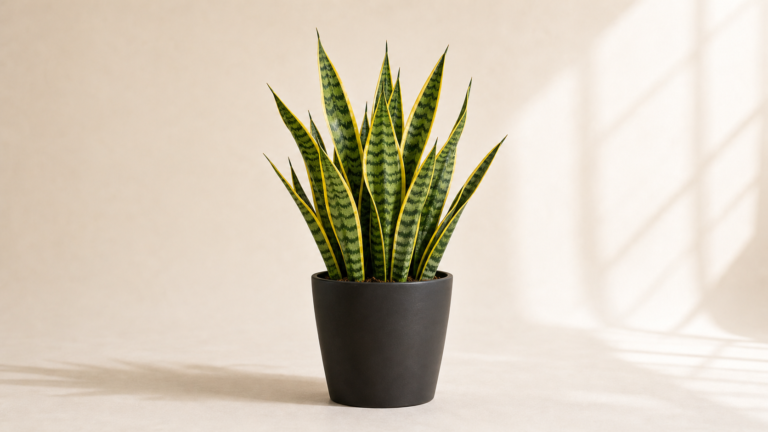
Snake Plant
A drought-tolerant plant that handles missed waterings well.
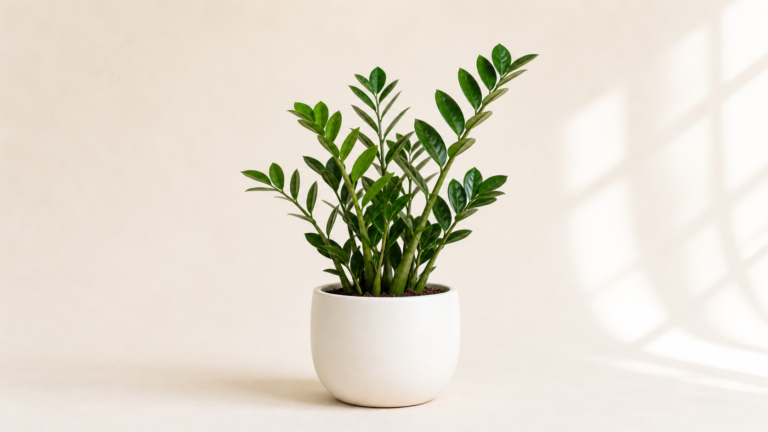
ZZ Plant
A slow-growing plant that stores water and prefers less frequent watering.
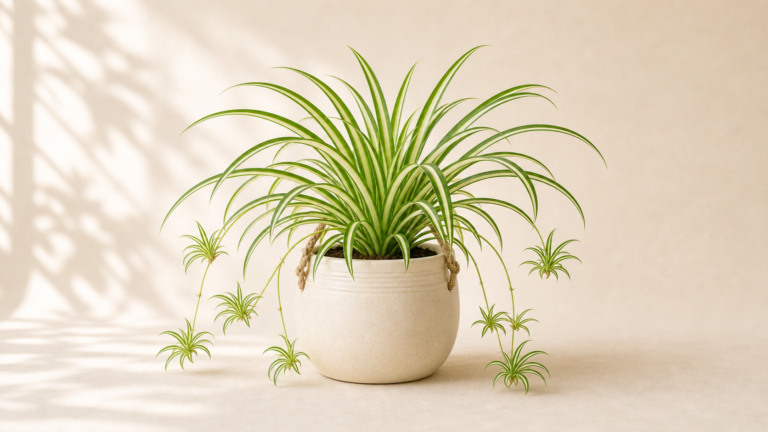
Spider Plant
A beginner-friendly and often pet-friendlier option.
Choosing an easier plant gives you more time to learn how indoor plant care works.
Final Thoughts
Yellow leaves do not always mean your plant is dying.
They are simply a signal that something in the plant’s environment may need attention.
The most important things to check are water, light, soil, and overall conditions. Instead of reacting immediately, observe the pattern and make small adjustments.
Successful plant care is not about never making mistakes. It is about learning how your plants communicate.
With time, you will become better at reading the small signs your plants give you — and keeping them healthy for years.
FAQs About Yellow Houseplant Leaves
Why are my houseplant leaves turning yellow?
The most common causes are overwatering, underwatering, insufficient light, nutrient problems, or natural aging.
Should I remove yellow leaves from my plant?
Yes, you can remove fully yellow leaves because they will not turn green again. Removing damaged leaves also helps the plant focus energy on healthy growth.
Can yellow leaves turn green again?
Usually no. Once a leaf has turned completely yellow, it typically will not recover. The goal is to prevent new leaves from developing the same problem.
Are yellow leaves always caused by overwatering?
No. Overwatering is common, but yellow leaves can also come from low light, nutrient issues, temperature stress, or natural aging.
How often should I water a plant with yellow leaves?
Do not change watering frequency without checking the soil first. Yellow leaves may come from both too much and too little water.