
Plant Collection
Air Purifying Houseplants
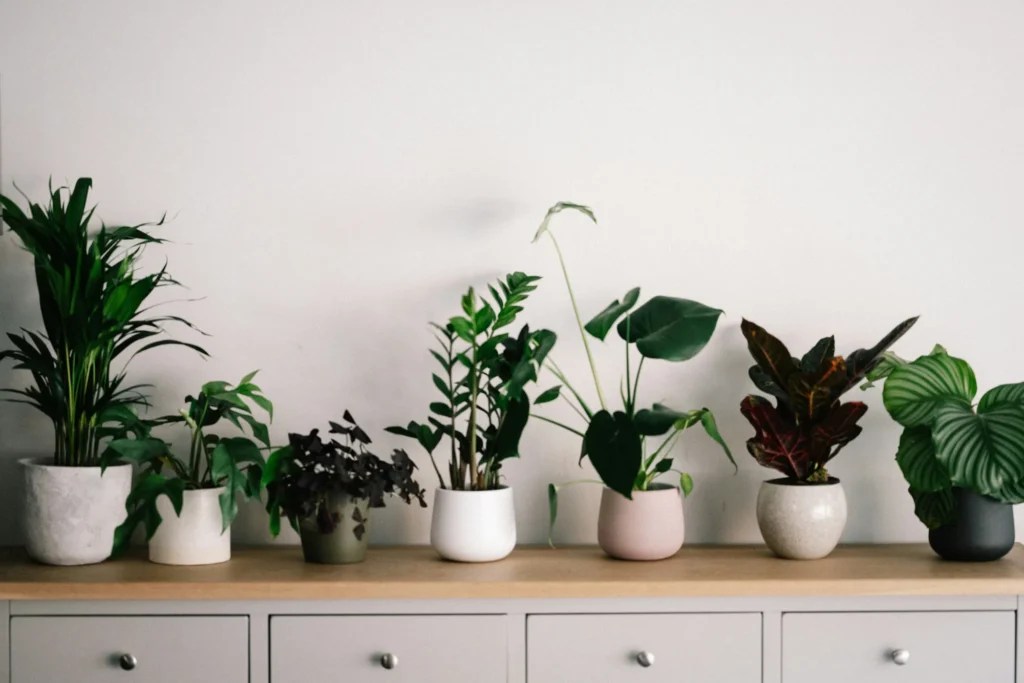
Air purifying houseplants are popular because they connect two things people already want at home: better-looking rooms and fresher-feeling indoor spaces. Many classic houseplants have been marketed as air-purifying plants because they appeared in sealed-chamber studies or older clean-air lists. That history is useful context, but it should not be turned into a medical or air-quality promise.
The practical truth is simple: houseplants can improve how a room feels, soften hard interiors, add humidity in small ways, and encourage people to care about their environment. A normal number of potted plants will not replace ventilation, pollutant source control, or a properly selected air purifier. Use this collection to compare attractive indoor plants often associated with air-purifying claims, then choose by light, watering, pet safety, and room fit.
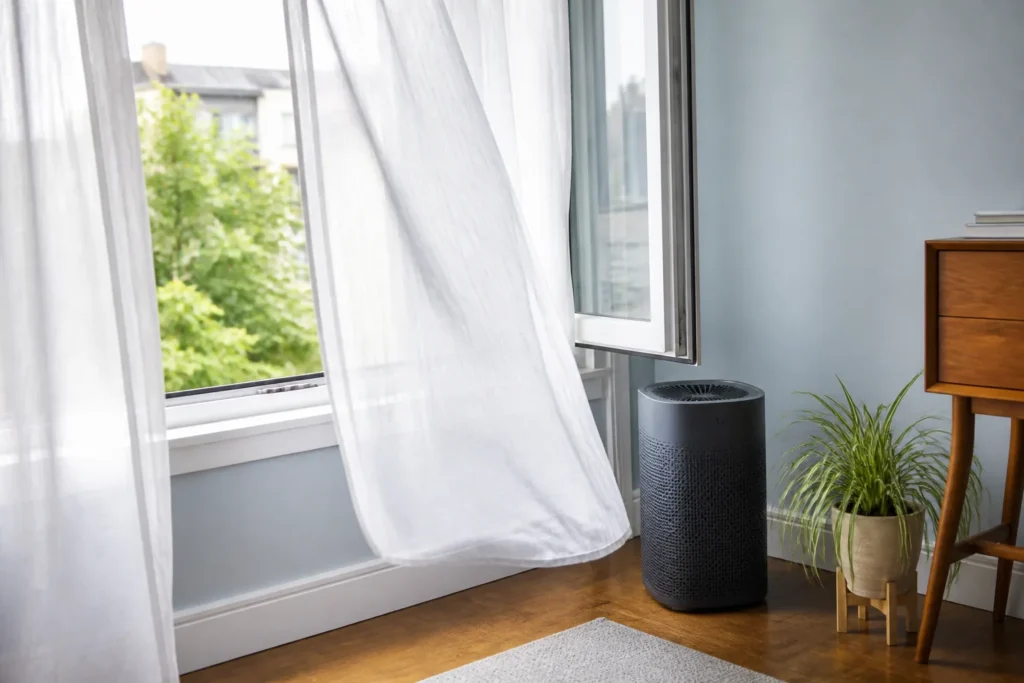
What “Air Purifying” Really Means
The phrase air purifying houseplants usually comes from research that tested whether plants could remove certain volatile organic compounds in controlled chambers. Those studies helped create the public idea of NASA clean air plants. The problem is scale. A sealed test chamber is not the same as a bedroom, office, apartment, or living room with doors, windows, fabrics, cooking, cleaning products, people, pets, and active ventilation.
In real homes, fresh outdoor air, good filtration, reduced pollutant sources, and regular cleaning do most of the serious work. Plants are better understood as living design objects with possible small environmental effects, not machines. That does not make the category useless. It just means the best plants for indoor air should still be chosen first as good houseplants.
When comparing air cleaning houseplants, ask better questions: Will this plant survive my light? Can I water it correctly? Is it safe around my pets? Will it outgrow the room? Does it need humidity I cannot provide? A healthy plant in the right spot is more valuable than a famous clean-air plant slowly declining in the wrong conditions.
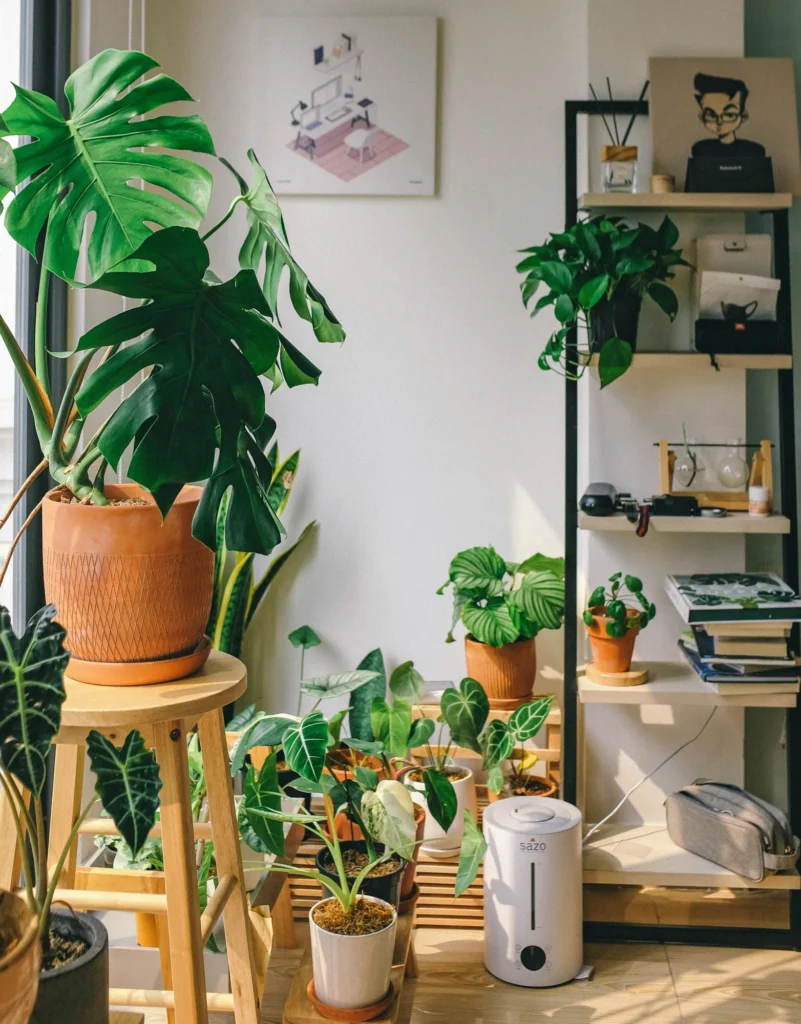
5 Air Purifying Houseplants to Start With
These five air purifying houseplants are commonly chosen for indoor greenery and are already marked in the site’s air-purifying taxonomy. They offer different shapes and care routines, so use the plant card and notes together.
1. Snake Plant
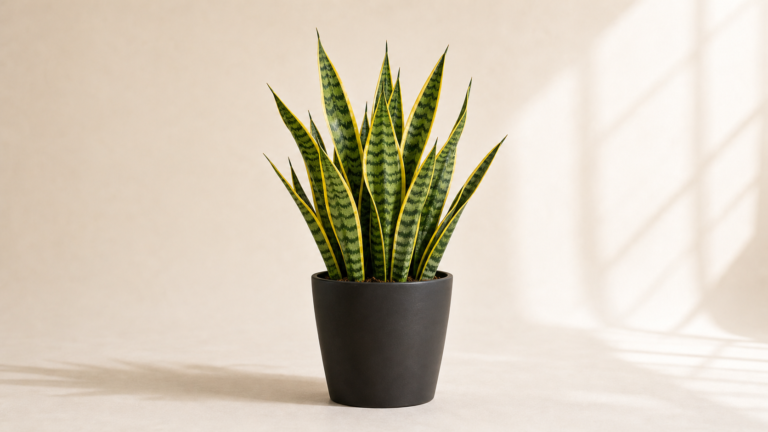
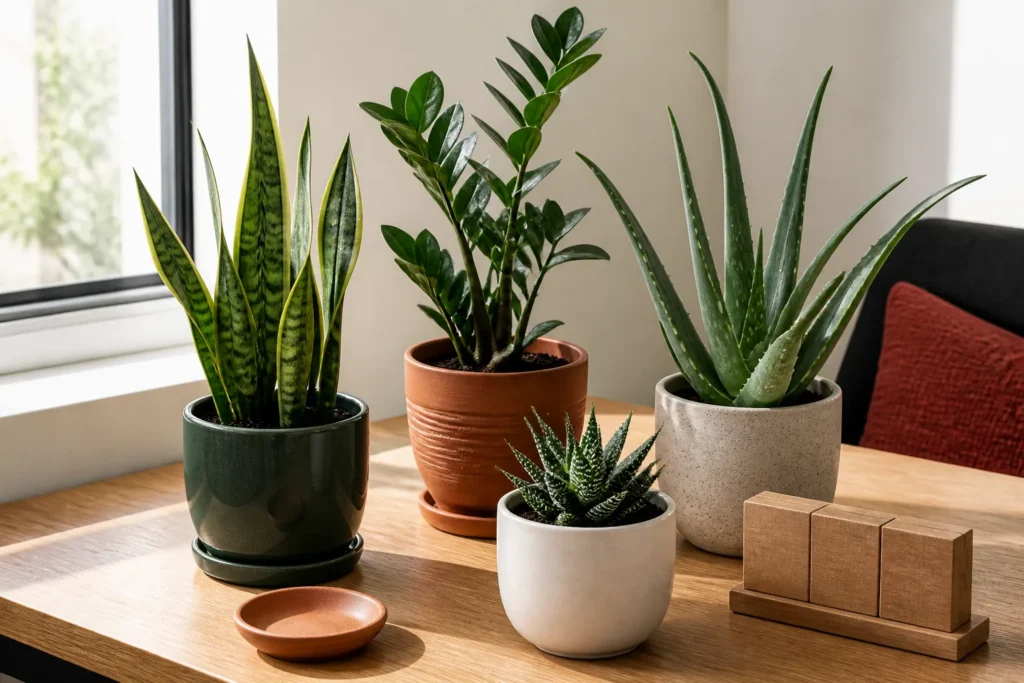
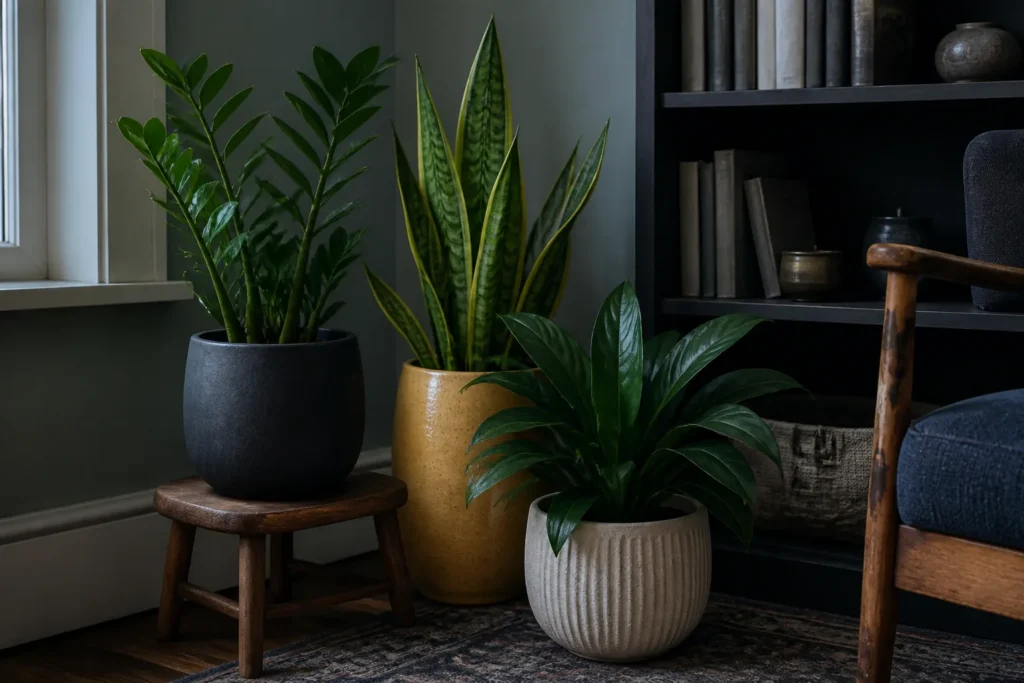
Snake Plants are one of the most recognized air-purifying plants in popular houseplant lists. Its tall yellow-edged leaves make it useful as an architectural floor plant, especially in bedrooms, offices, and entryways where a narrow upright shape fits better than a spreading plant.
Its real strength is durability. Snake Plant tolerates low to bright indirect light, dry household air, and longer gaps between watering. Let the soil dry thoroughly, then water and drain well. In lower light, growth slows and the pot stays wet longer, so reduce watering instead of following a strict weekly routine.
Choose Snake Plant for structure and easy care. Do not choose it as an air purifier replacement, and do not place it where cats or dogs can chew the leaves because it is not pet-safe.
2. Pothos
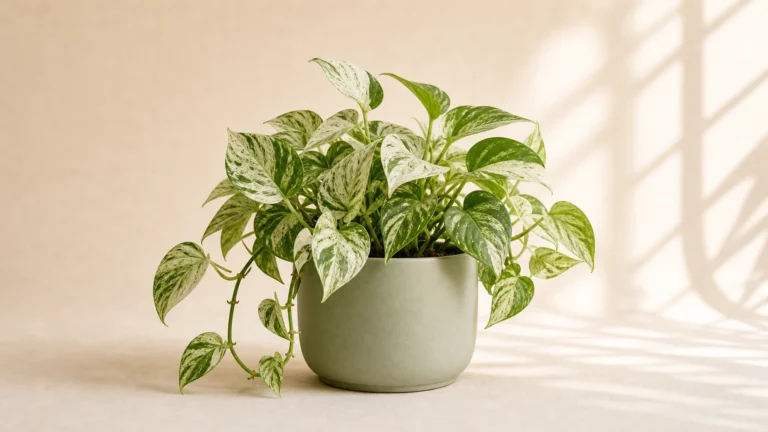
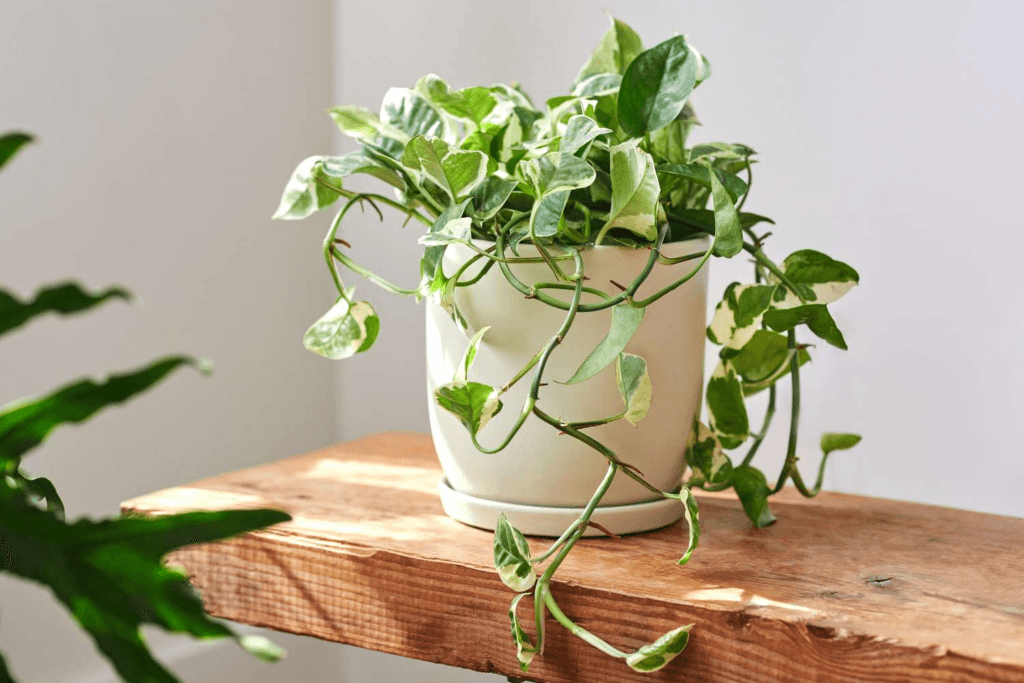
Pothos is a classic trailing choice for people searching for air purifying houseplants. It grows visibly, roots easily from cuttings, and adapts to many ordinary rooms. The heart-shaped green leaves with golden variegation can trail from a shelf or climb a support.
Medium to bright indirect light gives the best growth and color, though Pothos can tolerate lower light. Water when the upper mix has dried, then drain the pot. Prune long vines to keep the plant full and prevent them from reaching pets, walkways, or work surfaces.
Glacier Pothos is useful when you want greenery that changes and grows. Its main limitation is pet safety: it is not safe for cats or dogs that chew, and trailing vines can become reachable even when the pot starts high.
3. Spider Plant
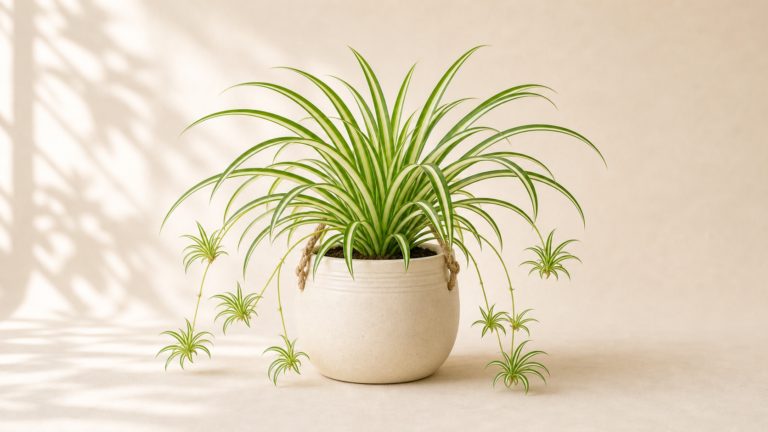
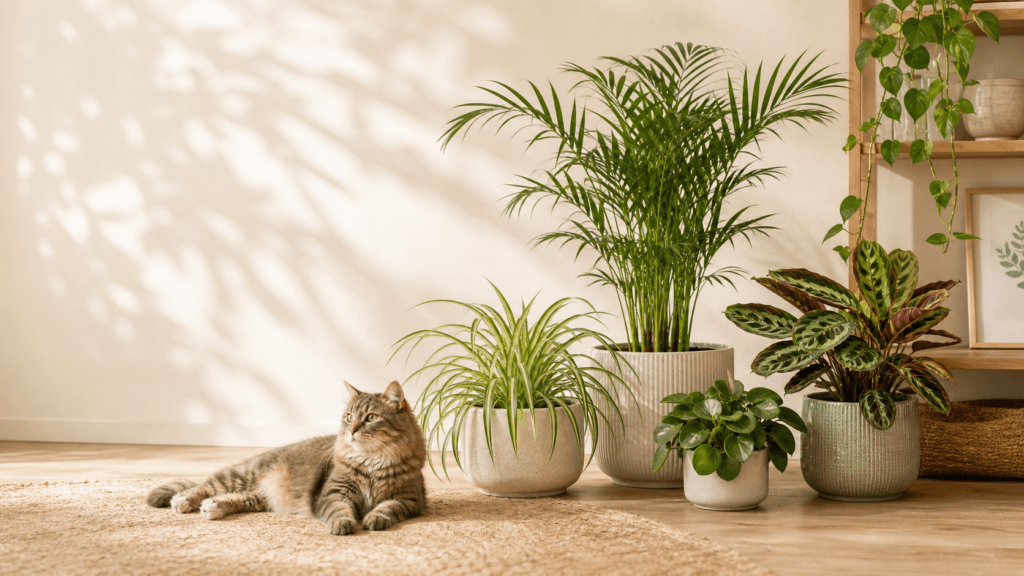
Spider Plant ‘Bonnie’ is a friendlier option in the air-purifying category because it is also pet-safe. Its curled striped leaves and small plantlets make it lively without needing a large footprint. It works well on shelves, plant stands, and hanging displays.
Give Spider Plant bright indirect or medium light. Water when the upper soil has dried, then let extra water drain away. It prefers a more regular rhythm than Snake Plant or ZZ Plant, but it is still beginner-friendly and communicates stress clearly through limp leaves, brown tips, or reduced plantlet production.
Choose Spider Plant when you want an easy, pet-safe plant for fresher-feeling rooms. It is especially useful in homes where many famous air cleaning houseplants are ruled out because they are toxic if chewed.
4. Parlor Palm
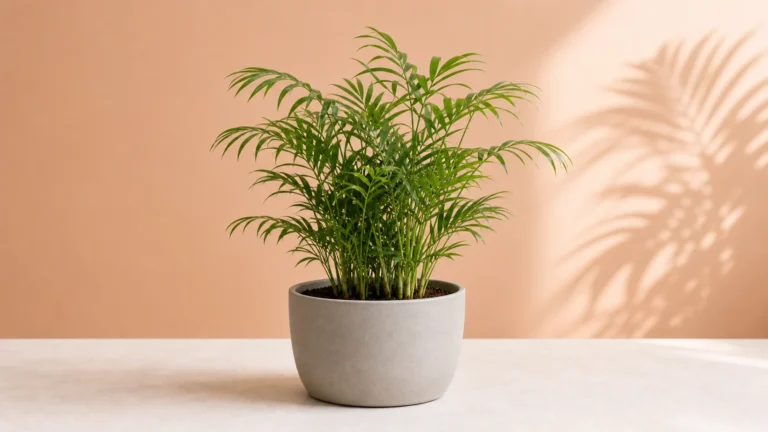
Parlor Palm adds soft palm texture to the air purifying houseplants list. It grows slowly, handles ordinary indoor conditions better than many palms, and fits bedrooms, offices, living rooms, and shaded corners with usable daylight.
This plant prefers medium to bright indirect light but can tolerate softer light. Let the top of the potting mix begin to dry, then water and drain well. Brown tips can come from dry air, inconsistent watering, mineral-heavy water, or stress after moving.
Parlor Palm is a good choice when pet safety matters and you want something more graceful than a tough upright plant. Treat its air-purifying label as a browsing category, not a room-scale cleaning promise.
5. ZZ Plant
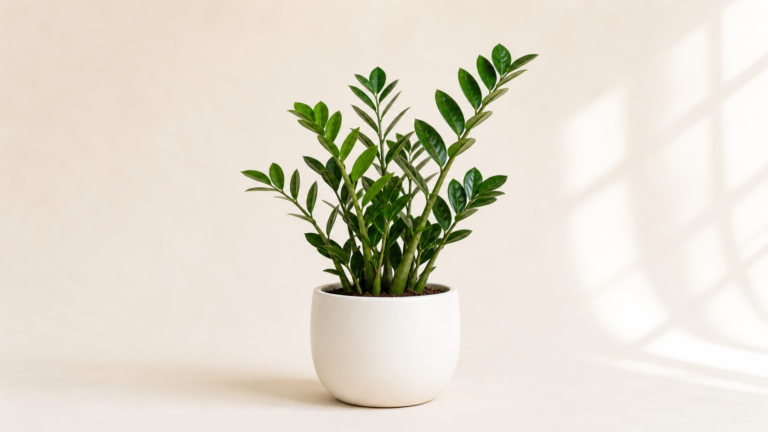
ZZ Plant is a glossy, low-maintenance option for offices, apartments, and lower-light rooms. It is commonly included among air-purifying houseplants, but its strongest practical value is how little it asks from the owner.
The underground rhizomes store water, so overwatering is the main risk. Let the mix dry substantially before watering, especially in low light or air-conditioned rooms. The plant grows slowly and needs little pruning, making it useful for stable displays.
Choose ZZ Plant if you want a polished, durable plant for a corner, cabinet, or desk-adjacent spot. It is not pet-safe, so avoid reachable placement around cats and dogs.
Browse More Air Purifying Houseplants
Browse the full air-purifying taxonomy below, then open each Plant guide to compare light, watering, pet safety, mature size, care level, and room type.
-

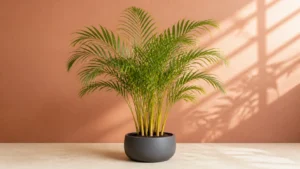
Areca Palm Areca Palm
Chrysalidocarpus lutescens
A graceful, feathery palm for bright rooms; the ASPCA lists it as non-toxic to cats and dogs.
-
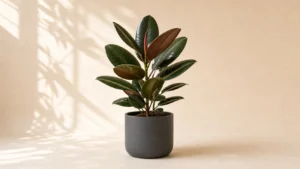
Burgundy Rubber Plant Burgundy Rubber Plant
Ficus elastica 'Burgundy'
A dark-leaved Ficus elastica selection with near-black green foliage, deep red new growth, and vivid red sheaths, often sold as Black Prince or Abidjan.
-
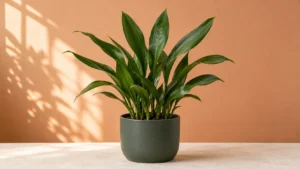
Cast Iron Plant Cast Iron Plant
Aspidistra elatior
A slow-growing, shade-tolerant plant with upright leathery leaves, valued for handling ordinary rooms without demanding constant attention.
-
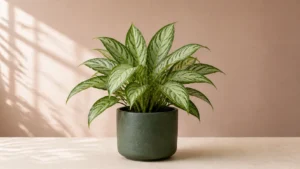
Chinese Evergreen Chinese Evergreen
Aglaonema spp.
A consumer-favorite group of Aglaonema foliage plants with green, silver, pink, or red leaves and broad tolerance for ordinary indoor light.
-
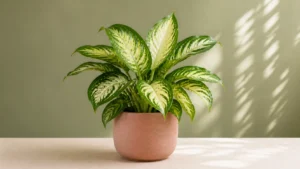
Dieffenbachia Dieffenbachia
Dieffenbachia seguine
A fast-growing tropical with broad, cream-patterned leaves that adds lush height to bright rooms — beautiful, but handle it with gloves and keep it away from pets.
-
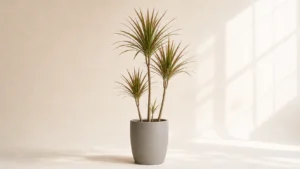
Dragon Tree Dragon Tree
Dracaena reflexa var. angustifolia
A sculptural, slow-growing indoor tree with narrow red-edged leaves that prefers bright filtered light and substantial dry-down.
-
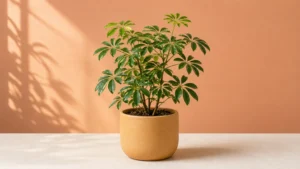
Dwarf Umbrella Tree Dwarf Umbrella Tree
Heptapleurum arboricola
A glossy, branching indoor shrub with umbrella-like leaf clusters that responds well to bright light and regular pruning.
-
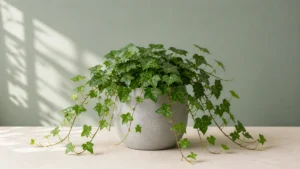
English Ivy English Ivy
Hedera helix
A fast-growing trailing vine with classic lobed leaves that thrives in cool rooms and bright indirect light — just keep the air moist and the spider mites away.
-
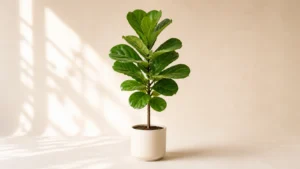
Fiddle Leaf Fig Fiddle Leaf Fig
Ficus lyrata
An architectural indoor fig with large violin-shaped leaves that needs strong light, careful watering, and a stable warm position.
-
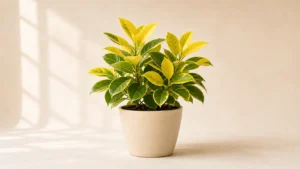
Golden Leaves Ficus Golden Leaves Ficus
Ficus microcarpa 'Golden Leaves'
A golden-leaved Chinese Banyan cultivar that needs strong light, warmth, careful watering, and a stable indoor position.
-
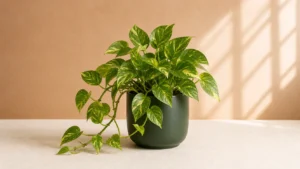
Golden Pothos Golden Pothos
Epipremnum aureum
A fast-growing trailing vine with heart-shaped leaves and golden variegation that adapts well to indoor life and beginner care.
-
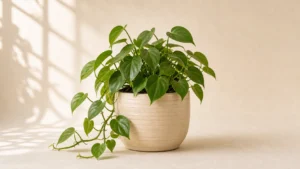
Heartleaf Philodendron Heartleaf Philodendron
Philodendron hederaceum
A fast-growing heart-shaped aroid vine that can trail or climb and adapts well to medium or bright indirect light.
How to Choose Air Purifying Houseplants
Start With Real Indoor Air Quality
If your main concern is indoor air quality, start with ventilation, filtration, moisture control, and reducing pollutant sources. Houseplants can support a fresher-feeling room, but they should not be your only air-quality strategy.
Choose Plants That Fit the Light
A famous air-purifying plant will not help if it declines in the wrong spot. Snake Plant and ZZ Plant tolerate lower light. Golden Pothos adapts but grows better with indirect light. Spider Plant and Parlor Palm prefer useful natural light.
Check Pet Safety Early
Many popular air-purifying plants are not pet-safe. If cats or dogs chew leaves, start with Spider Plant or Parlor Palm, then compare the Pet-Friendly Houseplants collection before buying.
Keep Plants Healthy and Clean
Dusty, stressed plants are less attractive and harder to manage. Wipe broad leaves, remove dead foliage, avoid soggy soil, and inspect for pests. A healthy plant contributes more to the room than a struggling plant kept only for a clean-air claim.
Air Purifying Houseplants FAQ
Do air purifying houseplants really clean the air?
They may remove some compounds in controlled settings, but ordinary homes are much larger and better ventilated than test chambers. A few potted plants should not be treated as a replacement for ventilation or filtration.
What is the best air purifying plant for beginners?
Snake Plant, ZZ Plant, Golden Pothos, and Spider Plant are all beginner-friendly in different ways. Choose Spider Plant if pet safety matters. Choose Snake Plant or ZZ Plant if you want less frequent watering.
Are NASA clean air plants still worth buying?
They can be worth buying as attractive houseplants, but not because one plant will clean a room. Choose them for foliage, care fit, and placement first.
Which air purifying houseplants are pet-friendly?
Spider Plant and Parlor Palm are good starting points from the Top Picks. Always confirm the individual Plant guide, because pet safety varies widely across common clean-air plant lists.
Can plants replace an air purifier?
No. For smoke, allergens, pollution, or specific air-quality concerns, use appropriate ventilation, filtration, and professional guidance. Houseplants are decorative living additions, not air-cleaning appliances.

Need a more specific match?
Use the Plant Finder to compare light, watering, pet safety, and room conditions together.