Why Isn’t My Houseplant Flowering? 6 Reasons and How to Fix Each
Diagnose why a flowering houseplant will not bloom by checking light, maturity, nutrients, temperature, root stress, season, and species.
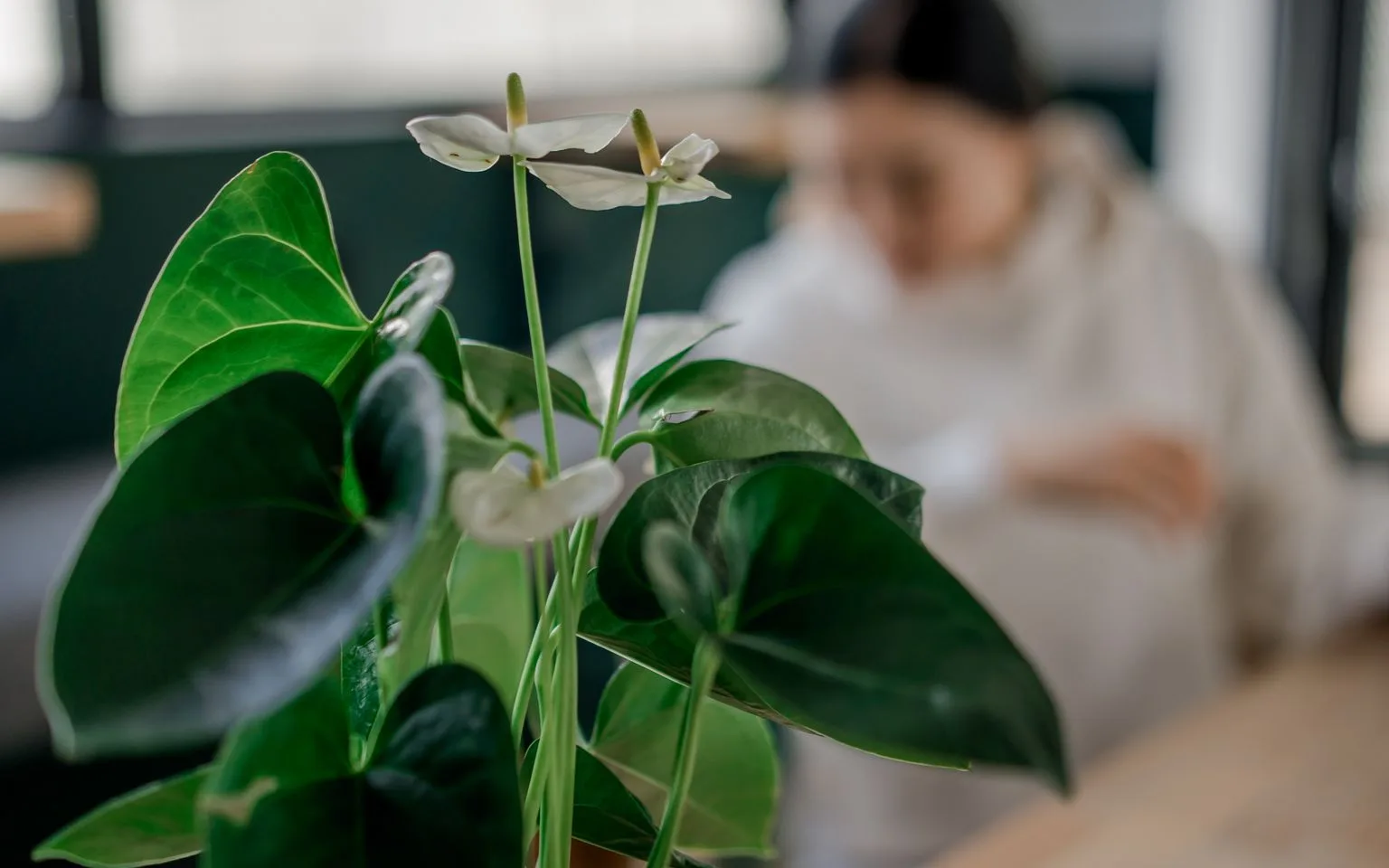
Not all houseplants flower, and the ones that do will not flower on demand. But when a plant that has bloomed before stops flowering — or a mature flowering plant never produces a single bloom — the cause is usually one of six things.
The frustration is real. You bought a Peace Lily for its white spathes, and now it is just a green bush. Your Christmas Cactus has not produced a single bud in two years. Your Hoya Carnosa is growing fine but shows no sign of its clusters of star-shaped flowers.
Here is how to figure out which of the six causes is responsible and what to do about it.
Quick Diagnosis: Match the Symptom to the Cause
| Symptom | Most likely cause |
|---|---|
| Plant is healthy and growing but never flowers | Not enough light |
| Plant flowered when you bought it but has not since | Age, root stress, or not enough light |
| Plant produces buds that fall off before opening | Temperature stress or watering inconsistency |
| Plant is several years old, healthy, but no flowers | Maturity or nutrient imbalance |
| Plant is in a very large pot with lush foliage | Too much nitrogen or pot too large |
| Plant species is not known for indoor flowering | Genetics — see the list below |
1. Not Enough Light
This is the number one reason houseplants do not flower. Flowering is an energy-intensive process — it requires more light than foliage growth because the plant needs to produce petals, pollen, and nectar. A plant can survive in medium light and grow healthy leaves but never accumulate enough energy to flower.
How Light Affects Flowering
Flowering plants use light intensity and duration as cues. Many species need a minimum daily light integral (the total amount of light received in a day) to trigger bloom. Indoors, even a bright window may not meet this threshold, especially in winter.
What to Do
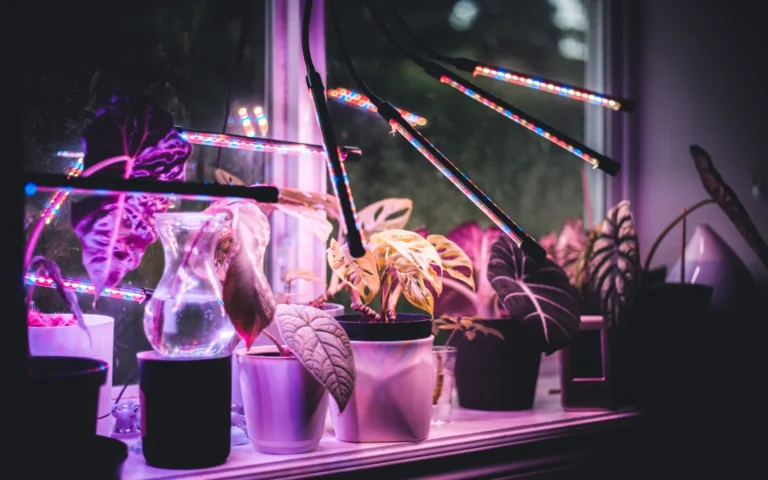
Move the plant to a brighter location. South or west windows provide the most light indoors. If natural light is insufficient, use a full-spectrum LED grow light for 12 to 14 hours per day. See our light guide for more on measuring and adjusting light levels.
For Peace Lily, which tolerates low light but needs medium to bright indirect light to flower, moving it a meter closer to a window can be enough to trigger blooming.
2. The Plant Is Too Young
Many flowering houseplants need to reach a certain size or maturity before they are capable of blooming. A cutting propagated last year may not flower for two to five years, depending on the species.
| Species | Typical age to first bloom |
|---|---|
| Peace Lily | 1 to 2 years from tissue-culture plant |
| Hoya Carnosa | 2 to 3 years from cutting |
| Christmas Cactus | 2 to 3 years from cutting |
| Clivia | 3 to 5 years from seed |
| Anthurium | 1 to 2 years from tissue culture |
| Orchids (Phalaenopsis) | 2 to 3 years from flask |
What to Do
If the plant is young, patience is the only solution. Provide good light, proper watering, and regular but not excessive fertilizer, and wait. The plant will flower when it is ready.
3. Nutrient Imbalance: Too Much Nitrogen
Fertilizers with a high nitrogen ratio (the first number in N-P-K) promote lush, green foliage at the expense of flowers. Nitrogen fuels leaf and stem growth, and when it dominates, the plant channels its energy into producing more leaves rather than reproducing through flowers.
Phosphorus (the P in N-P-K) is the nutrient most associated with flowering. While phosphorus does not directly cause flowers to form, a deficiency can limit the plant's ability to sustain blooming.
What to Do
Switch to a fertilizer with a lower nitrogen and higher phosphorus ratio for blooming plants. A bloom-boosting fertilizer with an N-P-K ratio like 10-30-20 or 5-15-15 can help. However, do not overdo it — excessive phosphorus can cause other nutrient imbalances. See our fertilizing guide for balanced feeding recommendations.
4. Temperature: Not Enough Contrast Between Day and Night
Many flowering houseplants need a temperature differential between day and night to trigger bud formation. This mimics the seasonal changes in their natural habitats. If your home maintains a constant 70°F (21°C) day and night, the plant never receives the signal to bloom.
Holiday Cacti: The Classic Example
Christmas Cactus needs 6 to 8 weeks of cool nights of 50 to 55°F (10 to 13°C) and shorter days (12 to 14 hours of darkness) to set buds. Without this period, the plant will not flower regardless of how healthy it is.
What to Do
For holiday cacti and other short-day plants, provide a period of cool temperatures and long nights in autumn. Move the plant to a room where temperatures drop to 55 to 60°F (13 to 16°C) at night and ensure it receives 12 to 14 hours of complete darkness.
For other flowering plants, providing a 9 to 14°F (5 to 8°C) difference between day and night temperatures can help trigger blooming. Moving a plant near a cool window at night can provide this differential naturally.
5. The Plant Is Root-Bound or Stressed
Some flowering plants bloom better when slightly root-bound — the stress triggers a reproductive response. But when a plant is severely root-bound, the roots cannot absorb enough water and nutrients to support flowering, and growth stalls.
Conversely, a plant in a pot that is too large may produce lush foliage but no flowers because it is channeling energy into root growth to fill the pot.
What to Do
Check the roots. If the plant is severely root-bound — roots circling densely, water running straight through — repot into a pot one size larger. See our repotting guide for the process.
If the plant is in an oversized pot with sparse roots, consider downsizing the pot to encourage flowering. Use a well-draining soil mix — see our houseplant soil guide for recommendations.
6. The Species Does Not Flower Reliably Indoors
Some houseplants are grown for their foliage and rarely or never flower indoors, even in perfect conditions. If you are waiting for flowers from one of these plants, you may be waiting a long time:
| Plant | Indoor flowering? | Why not |
|---|---|---|
| ZZ Plant | Very rare | Needs specific conditions not achievable indoors |
| Cast Iron Plant | Very rare | Grown for foliage; flowers are inconspicuous |
| Snake Plant | Rare | Needs to be root-bound and in bright light for years |
| Philodendron | Rare | Most indoor conditions do not meet flowering requirements |
| Fiddle Leaf Fig | Never indoors | Requires outdoor pollination by a specific wasp |
What to Do
If the plant is on this list, enjoy it for its foliage. If you want a flowering houseplant, choose species known for reliable indoor blooming:
- Peace Lily — blooms year-round in bright light
- Anthurium — produces red spathes continuously
- Christmas Cactus — seasonal blooms in late autumn
- Hoya Carnosa — clusters of fragrant flowers in summer
- Phalaenopsis Orchid — blooms for months with proper care
Other Factors That Can Affect Flowering
Watering Inconsistency
Plants that experience extreme swings between bone-dry and waterlogged soil may drop buds or fail to form them. Consistency matters more than the exact watering frequency. See our watering guide for a reliable approach.
Humidity
Tropical flowering plants like Peace Lily and orchids need higher humidity to sustain blooms. Dry air can cause buds to form but fail to open. See our humidity guide for solutions.
Pest Damage
Spider mites and other sap-sucking pests weaken the plant enough to prevent flowering. Check regularly for signs of infestation.
Summary
| Cause | Solution |
|---|---|
| Not enough light | Move to brighter location or use grow lights |
| Plant too young | Wait — maturity cannot be rushed |
| Too much nitrogen | Switch to a bloom-boosting fertilizer (higher P) |
| No temperature differential | Provide cooler nights, especially for holiday cacti |
| Root stress | Repot if root-bound; downsize if pot is too large |
| Species doesn't flower indoors | Choose a species known for indoor blooming |
Flowering is the plant's way of saying it has enough energy to reproduce. If it is not flowering, it is telling you something is limiting its energy budget. Fix the limiting factor, and the flowers will follow.