Putting Houseplants Outside in Summer: How to Do It Without Sunburn
Learn when and how to move houseplants outdoors gradually, prevent sunburn, adjust watering, choose placement, and monitor pests.
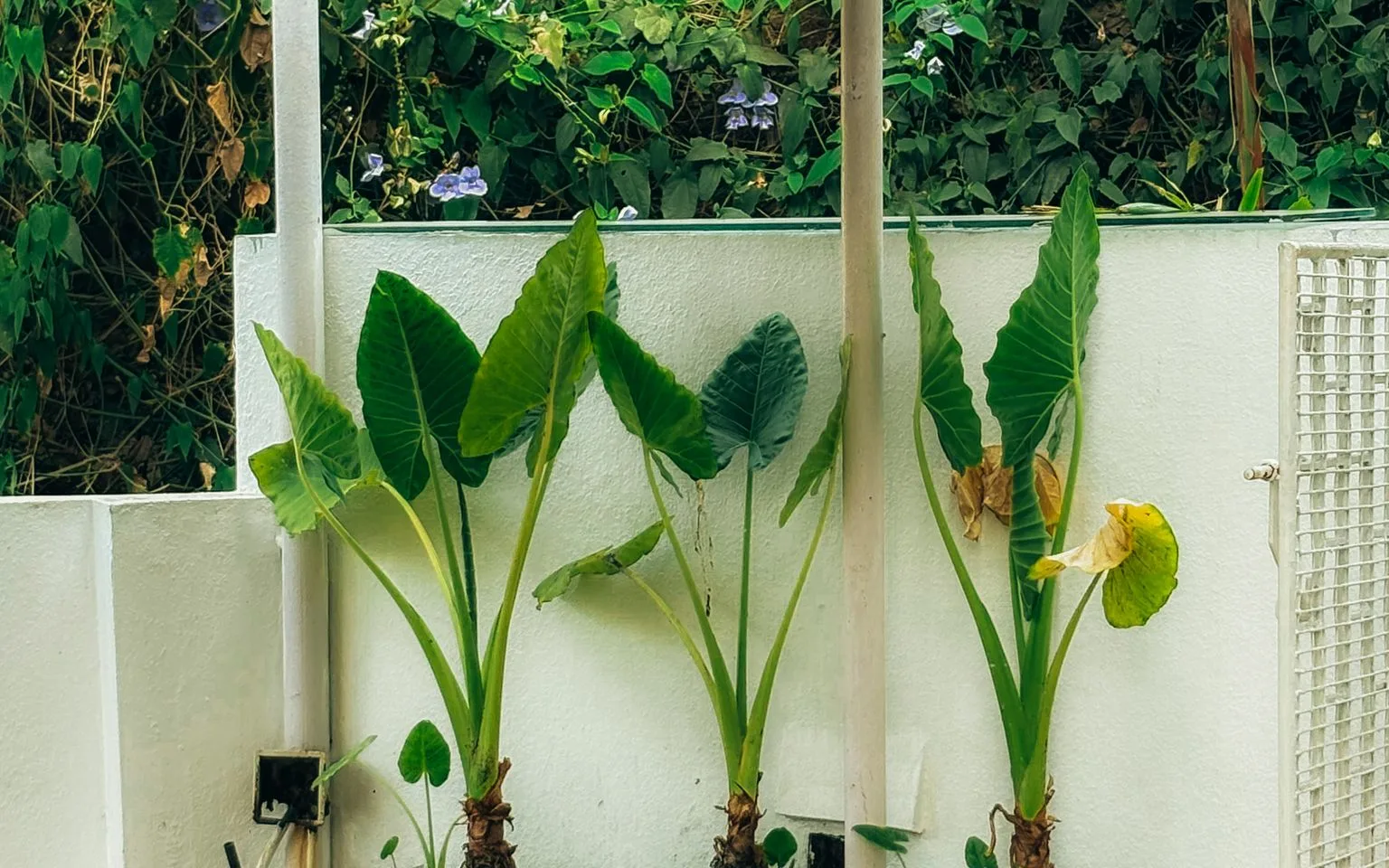
Putting houseplants outside for the summer is one of the best things you can do for them. Outdoor light, air movement, and humidity trigger growth that indoor conditions simply cannot match. A Monstera Deliciosa that has been surviving in a corner all winter will push out massive new leaves within weeks of going outside. A Boston Fern that has been struggling with dry indoor air will fill out into a lush cascade.
But the same sun that fuels this growth can destroy a plant in a single afternoon. The transition from indoor to outdoor light is the most dangerous move in houseplant care — more plants die from sunburn during the first week outside than from any other cause.
Here is how to do it right: when to move, how to harden off, where to place, and which plants should never go outside.
When to Move Plants Outside
Wait until nighttime temperatures are consistently above 60°F (15°C) and all danger of frost has passed. In most temperate climates, this means late spring to early summer.
Temperature Checklist
- Nighttime lows consistently above 60°F (15°C)
- Daytime highs are not extreme — below 90°F (32°C) for most plants
- No frost predicted in the next two weeks
- Day length is increasing (spring to summer)
Bringing plants out too early means cold nights can stunt growth or kill tropical species. Bringing them out too late means missing the weeks of optimal growing conditions that produce the strongest growth.
Step 1: Harden Off — The Critical 7-to-10 Day Process
Hardening off is the process of gradually acclimating a plant to outdoor light. Indoor light — even at a south-facing window — is roughly 10% of outdoor sunlight. Moving a plant directly from indoors to a sunny patio is the equivalent of sending someone from an office job to a desert with no sunscreen.
The Gradual Schedule
| Day | Placement | Duration |
|---|---|---|
| 1 to 2 | Fully shaded outdoor spot (covered porch, under a tree) | 2 to 3 hours |
| 3 to 4 | Same shaded spot | 4 to 6 hours |
| 5 to 6 | Morning sun only (until 10 AM), shade the rest of the day | 6 to 8 hours total |
| 7 to 8 | Morning sun + dappled afternoon shade | Full day |
| 9 to 10 | Normal placement for the plant type | Full day and night |
Signs of Too Much Sun
- Leaves develop white or brown patches (sunburn)
- Leaves look bleached or lighter than normal
- Leaves feel thin and papery
- Wilting despite moist soil
If you see these signs, move the plant back to shade immediately. Sunburn damage is permanent — the affected leaves will not recover, but the plant will survive if you reduce light fast enough.
Step 2: Choose the Right Outdoor Location
Different plants need different outdoor conditions. The mistake is treating all houseplants the same way.
Light-Based Placement
| Plant type | Outdoor placement | Examples |
|---|---|---|
| Sun-loving succulents | Full sun after hardening off | Jade Plant, Aloe Vera, Zebra Haworthia |
| Bright indirect plants | Dappled shade or morning sun + afternoon shade | Monstera Deliciosa, Rubber Plant, Croton, Fiddle Leaf Fig |
| Medium light plants | Full shade or north side of a building | Pothos, Heartleaf Philodendron, Arrowhead Plant |
| Low light plants | Deep shade, covered area | ZZ Plant, Cast Iron Plant, Snake Plant |
| High humidity plants | Shade with wind protection, near water feature or misting | Boston Fern, Calathea Orbifolia, Peace Lily |
Wind Protection
Indoor plants have thin cell walls because they have never experienced wind. Outdoor breezes can tear leaves, snap stems, and dry out soil rapidly. Place plants in a sheltered location — against a wall, behind taller outdoor plants, or under an overhang.
Step 3: Adjust Watering
Outdoor plants use water much faster than indoor plants. Sun, wind, and higher temperatures all increase evaporation. A plant that needed water every two weeks indoors may need water every two to three days outdoors.
Watering Rules for Outdoor Plants
- Check soil moisture daily — the finger test is the most reliable method
- Water in the morning so the plant has moisture during the hottest part of the day
- Water thoroughly until water runs from the drainage holes
- Do not let pots sit in saucers of standing water — this can breed mosquitoes and cause root rot
- Terracotta pots dry out faster than plastic or glazed ceramic — check them more frequently
See our watering guide for complete watering principles.
Step 4: Watch for Pests
Outdoor air brings beneficial insects, but it also brings pests. Plants that were pest-free indoors can pick up aphids, spider mites, caterpillars, and other insects within days of going outside.
Weekly Pest Inspection
Check plants weekly while they are outdoors:
- Look at leaf undersides for aphids and mites
- Check stems for scale insects
- Look for holes in leaves (caterpillar damage)
- Watch for ants in the pot — ants often farm aphids on plants
If you find pests, treat immediately with insecticidal soap or neem oil. Do not wait until you bring the plant back inside in autumn — by then, the infestation may have spread. See our common houseplant pests guide for identification and treatment.
Step 5: Use Summer Growth for Repotting and Propagation
The growth boost from outdoor light is the perfect time to repot root-bound plants and take cuttings. Plants have the energy to recover quickly from root disturbance and to root new cuttings rapidly.
Repotting
If a plant has outgrown its pot, repot it shortly after moving outside. The plant will have the entire growing season to fill the new pot with roots. See our repotting guide for the process.
Propagation
Stem cuttings taken in summer root faster and more reliably than at any other time of year. Cuttings of Pothos, Philodendron, Tradescantia Zebrina, and Hoya Carnosa can root in water within one to two weeks in warm, bright outdoor conditions.
Plants That Should Not Go Outside
Not every houseplant benefits from outdoor summering. These plants are better off staying indoors:
- Plants in very small pots — they dry out too fast outdoors and are hard to keep watered
- Recently repotted plants — root systems are not established enough to handle outdoor stress
- Sick or stressed plants — outdoor conditions add stress, not relief
- Plants with pest infestations — they will spread to outdoor plants and pick up additional pests
- Plants in rooms with air conditioning — the temperature differential between AC and outdoor heat can be too extreme
Bringing Plants Back Inside
When summer ends, you will need to reverse the process — and the indoor transition is just as important. See our companion guide on bringing houseplants inside for winter for the autumn transition process.
Summary
| Step | Key Action |
|---|---|
| Timing | Move outside when nights are consistently above 60°F (15°C) |
| Hardening off | 7 to 10 days of gradual light increase |
| Placement | Match plant light needs to outdoor conditions |
| Watering | Check daily; outdoor plants dry much faster |
| Pest control | Inspect weekly for aphids, mites, and caterpillars |
| Growth boost | Use the period for repotting and propagation |
The payoff for doing this right is dramatic: a summer outdoors can produce more growth than an entire year indoors. Just do not skip the hardening-off process — ten days of patience saves weeks of recovery.